BY VLAD IGLIN, CEO
A self-motivated and results-oriented person with a strong business and marketing background.
Why Texas’ Population Boom Is Reshaping Local Mobility
Texas continues to lead the nation in population growth, with hundreds of thousands of new residents arriving each year. From Central Texas to the Gulf Coast, this migration wave is not only reshaping housing markets. It is transforming how communities think about mobility, infrastructure, and relocation logistics.
Austin has experienced sustained migration driven by job growth in technology, healthcare, and advanced manufacturing. Rapid growth creates pressure. Housing inventory tightens. Commute times expand. Infrastructure must catch up.
Mobility today is not limited to highways and public transit. It also includes how efficiently families transition between homes, neighborhoods, and cities.
Growth Creates Constant Movement
Texas consistently ranks among the top states for inbound migration. As employment hubs expand, secondary cities and suburban communities absorb much of the demand. Areas like Round Rock, Pflugerville, and Cedar Park have seen significant residential development in response.
This movement pattern creates several ripple effects:
- Increased demand for short term housing transitions
- More frequent in state relocations
- Shifts from apartment living to home ownership
- Expansion into exurban communities
Mobility is no longer just about transportation. It is about how seamlessly families adapt to opportunity.
When growth accelerates, transitions become more frequent. Families relocate for new jobs, school district access, or improved affordability further from the urban core.
The Operational Side of Relocation
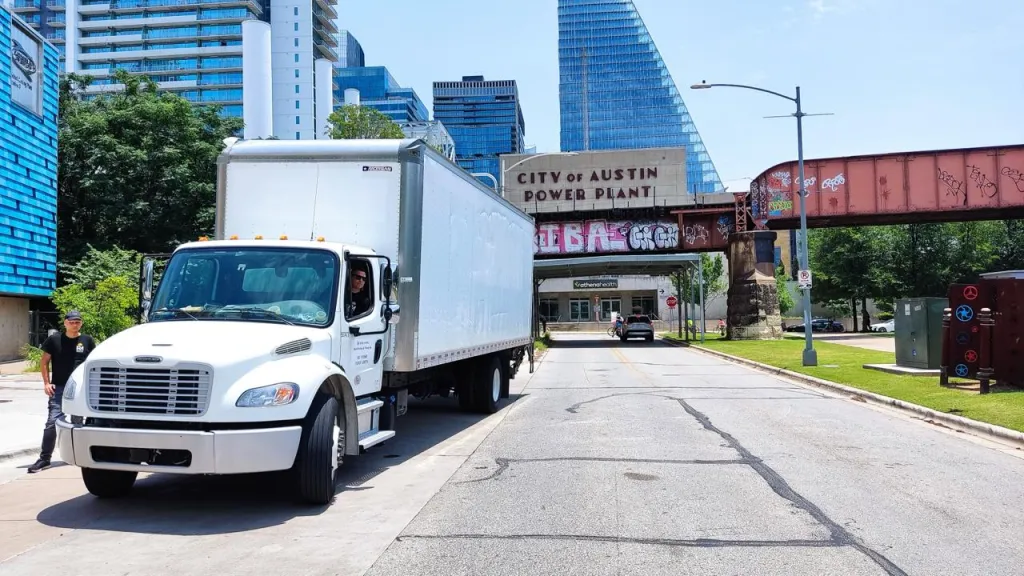
Population growth exposes logistical gaps that often go unnoticed in policy discussions. Limited truck access in dense areas, stricter HOA regulations in planned communities, and heavier congestion complicate the relocation process. As relocation demand increases, professional movers in Austin are seeing more year-round scheduling activity tied to workforce growth.
Peak relocation periods have also expanded beyond the traditional summer season. As workforce flexibility increases, moving patterns spread across the calendar year.
This shift highlights a broader reality. Infrastructure planning must account not only for traffic and utilities but also for transitional mobility systems that help residents settle efficiently.
When cities grow quickly, the ability to move efficiently becomes part of economic resilience.
Efficient relocation systems support workforce mobility. When professionals can transition between homes with minimal disruption, employers benefit. So do local economies.
Housing Patterns and Economic Flexibility
Texas has long attracted out of state residents due to affordability and job opportunity. However, affordability varies significantly within metro areas.
As urban housing costs rise, residents move toward suburban and semi rural communities. This decentralization changes traffic patterns, school enrollment distribution, and service demand.
Policy discussions often center on zoning, density, and transportation expansion. Yet mobility services, including storage infrastructure and regulated relocation logistics, are increasingly part of the economic framework that supports growth.
The ability to relocate efficiently affects:
- Job acceptance decisions
- Small business expansion
- Military family transitions
- Disaster recovery response
Texas has historically adapted to economic shifts. Continued population growth will require similar adaptability in relocation infrastructure.
Planning for a More Mobile Texas
Sustainable growth depends on coordinated planning. Housing development, infrastructure expansion, and logistical systems must align to reduce friction during peak migration cycles.
Clear regulations, transparent pricing standards, and improved scheduling technology all contribute to smoother residential transitions.
Mobility reflects opportunity. When families can relocate efficiently, communities remain dynamic, and labor markets stay flexible.
Texas is not simply growing. It is redefining how Americans move and how cities adapt to that movement.