
Thursday, September 3, 2026
No Result
View All Result
LJ News Opinions
  • Home
  • U.S.
  • Politics
  • World News
  • Business
  • Entertainment
  • Sports
  • Technology
  • Health
  • Opinions
  • Home
  • U.S.
  • Politics
  • World News
  • Business
  • Entertainment
  • Sports
  • Technology
  • Health
  • Opinions
No Result
View All Result
LJ News Opinions
No Result
View All Result
Home Opinions

Why Nepal floods should worry India

by LJ News Opinions
September 2, 2026
in Opinions
0
Cattle stand stranded on small islands surrounded by flood waters in this view taken from a relief helicopter of the Indian Air Force in Madhepura district in India's northeastern state of Bihar on September 7, 2008
Share on FacebookShare on Twitter


“India should be worried. but not necessarily because of the Kosi river in Nepal,” says Rajiv Sinha.

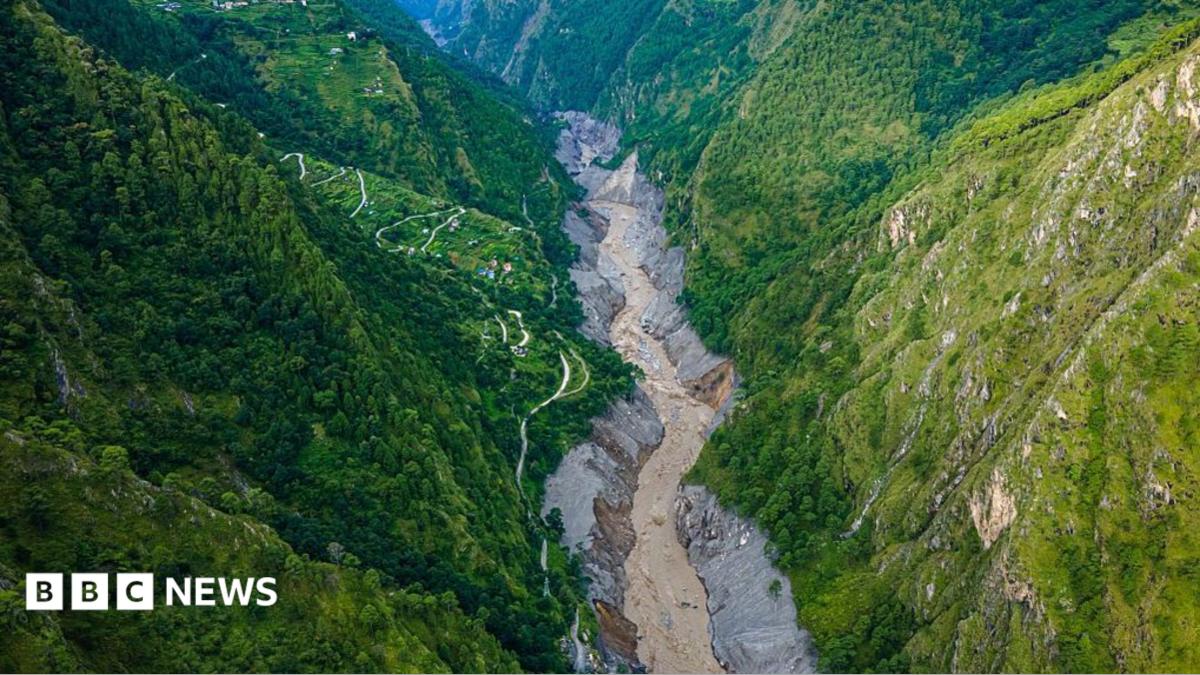
In other words, experts say, the real warning is about what is happening in the Himalayas – and what happens when water, rock, ice and enormous quantities of sediment suddenly combine.

Sinha says the latest Nepal disaster resembles a series of catastrophic events that India has experienced in recent years, including the 2021 Chamoli disaster and the 2025 Dharali disaster in Uttarakhand. The Nepal event, he says, was “perhaps five to 10 times larger”.

“The fundamental point is that these are not normal hydrological floods,” Sinha says.

A conventional flood is largely water. But when water from intense rain, melting ice or a sudden discharge mixes with huge quantities of sediment, the result can become a thick, high-energy slurry capable of destroying almost everything in its path.

That was the lesson of the Chamoli disaster in 2021, when a large chunk of a Himalayan glacier collapsed in the valley of Chamoli in northern India, sending a cascade of debris and water downstream that killed 200 people and damaged hydropower infrastructure.

It was also evident at Dharali in Uttarakhand in 2025, after heavy rains triggered a flash flood and the flow of debris buried parts of a village under metres of material.

And then there’s climate change.

Extreme rainfall is intensifying: the region is warming faster than the global average, a warmer atmosphere holds more moisture, and the monsoon is delivering more rain in fewer, heavier bursts, say experts.

High-mountain hazards are also growing. As permafrost degrades, glacial lake outbursts and rock-ice avalanches are expected to increase, producing faster, debris-laden floods that are harder to forecast.

And more extreme events mean more landslides and sediment in rivers, raising riverbeds and reducing channel capacity on both sides of the border.

They are manifestations of the same broad Himalayan hazard system. And India’s exposure is considerable.



Source link

LJ News Opinions

LJ News Opinions

Next Post

Toilet paper becomes an issue for Trump again as Canada's tariffs could spell another shortage

Recommended

Washington flooding: Federal emergency declared ahead of another round of rain

9 months ago

Pursuit, theft suspect crashes on Los Angeles County freeway

1 year ago

Popular News

    Connect with us

    LJ News Opinions

    Welcome to LJ News Opinions, where breaking news stories have captivated us for over 20 years.
    Join us in this journey of sharing points of view about the news – read, react, engage, and unleash your opinion!

    Category

    • Business
    • Entertainment
    • Health
    • Opinions
    • Politics
    • Sports
    • Technology
    • U.S.
    • World News

    Site links

    • Home
    • About us
    • Contact

    Legal Pages

    • Privacy Policy
    • Cookie Privacy Policy
    • Terms of Use
    • Disclaimer
    • California Consumer Privacy Act (CCPA)
    • DMCA
    • About us
    • Advertise
    • Contact

    © 2024, All rights reserved.

    No Result
    View All Result
    • Home
    • U.S.
    • Politics
    • World News
    • Business
    • Entertainment
    • Sports
    • Technology
    • Health
    • Opinions

    © 2024, All rights reserved.