Beginning in 2007, he immersed himself in the Akhbarat-i Darbar-i Mualla (Newsletters of the Exalted Court), a vast collection preserved in archives across India and Britain.
Working through more than 6,500 pages in Kolkata’s National Library, he followed princes, generals, courtiers, royal women, imperial eunuchs and many others through tens of thousands of entries.
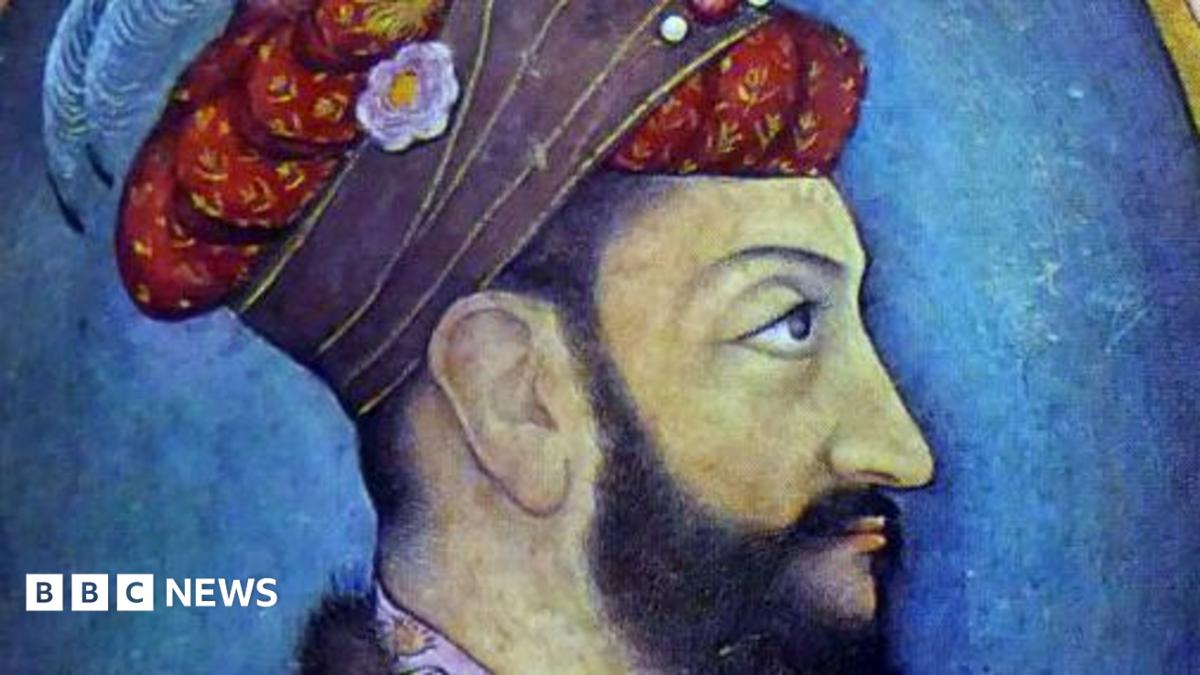
The result is a forthcoming history of Aurangzeb (also known by his imperial name, Alamgir) and the Mughal empire in the late 17th Century. It offers not only a fresh portrait of India’s most controversial Mughal ruler, but also a rare glimpse of how one of the world’s great early-modern empires actually worked.
The Mughal news reports survive in at least four known collections – in London, Bikaner, Sitamau and Kolkata – though historians suspect others may be in private hands.
One cache was preserved in bundles in the cool, dry basement of Jaipur Fort. In the early 19th century, James Tod, an East India Company official and antiquarian, borrowed a large number of these reports and failed to return them when he left for Britain in 1823. He later donated the collection to the library of the Royal Asiatic Society.
The richest cache, in Kolkata’s National Library, consists of 21 volumes devoted to the reign of Aurangzeb, who ruled the Mughal empire from 1658 to 1707 and was its last great expansionist emperor. The volumes were once part of the personal library of pioneering Indian historian Sir Jadunath Sarkar, Aurangzeb’s most influential biographer.
At first glance, much of the material appears crushingly mundane: appointments, disputes, military movements, gifts, illnesses and endless administrative minutiae.
Yet taken together, the reports amount to something rare – a near-continuous record of an empire watching itself, says Faruqui.
Archival coverage of Aurangzeb’s first two decades on the throne is patchy. But the amount of surviving material from the early 1680s onwards is extraordinary, providing access to an almost daily flow of reports for years on end. All told, they illuminate roughly a third of the emperor’s nearly half-century reign