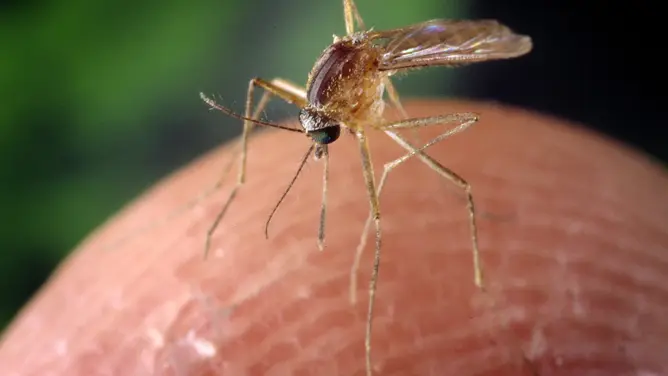
Research shows that female mosquitoes find humans by tracking scent cues, like chemicals from our skin and breath. Mosquitoes are also drawn to certain colors. University of Washington biology professor Jeffrey Riffell and his team study mosquito sensory systems, especially their sense of smell, to understand how mosquitoes find food.
Few summer pests are as persistent as the mosquito.
The tiny insects thrive in warm, humid climates where standing water provides ideal breeding habitat.
A mosquito on a human finger.
(Smith Collection/Gado/Getty Images / Getty Images)
In the United States, mosquitoes are more of a seasonal nuisance than a widespread public health crisis, but some states offer far better breeding conditions than others.
Here are the top 10 worst mosquito states in 2026, according to OutsideOnline.com.
TEXAS
In the Lone Star State, mosquitoes are just as much a part of summer as cowboy boots and barbecue.
Texas is home to more than 85 mosquito species, with the densest populations thriving in the humid forests of East Texas and along the Gulf Coast’s low-lying plains. Even sprawling urban centers like Houston aren’t spared from the persistent pests.
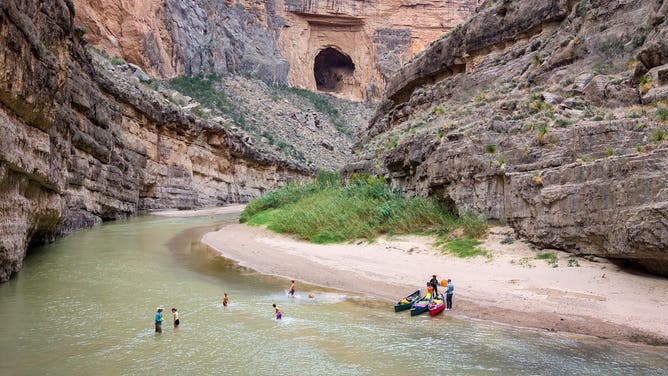
From an aerial view, families stop to swim in the Rio Grande during a canoe trip through the Santa Elena Canon on April 11, 2026 in Big Bend National Park, Texas.
(John Moore/Getty Images / Getty Images)
Outdoor destinations offer little relief. From the desert landscapes of Big Bend National Park to marshes and waterways across the state, mosquitoes are a familiar nuisance for hikers, campers and anglers alike.
FLORIDA
Florida‘s subtropical climate gives mosquitoes little reason to take a break. Warm temperatures, abundant rainfall and high humidity allow the biting insects to thrive nearly year-round across the Sunshine State.
More than 80 mosquito species call Florida home, with activity typically peaking between March and September as heat and frequent downpours create ideal breeding conditions.
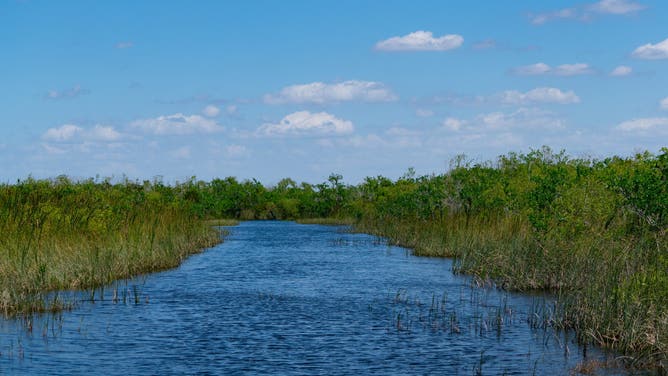
General views of the Everglades National Park on April 02, 2021 in Miami, Florida.
(AaronP/Bauer-Griffin/GC Images / Getty Images)
The Everglades are among the state’s most infamous mosquito havens. Its vast wetlands, slow-moving water and humid environment create the perfect habitat for explosive mosquito populations, often leaving visitors swatting through clouds of persistent pests despite sharing the landscape with alligators, crocodiles and other iconic wildlife.
NEW YORK
Mosquitoes can thrive in just about any jungle — even the concrete one.
From the bustling streets of New York City to the forests of the Adirondacks and Catskills and the sandy shores of Long Island, mosquitoes make their presence known across the Empire State. More than 70 species have been identified in New York, turning everything from city parks to backcountry trails into prime swatting territory during the warmer months.
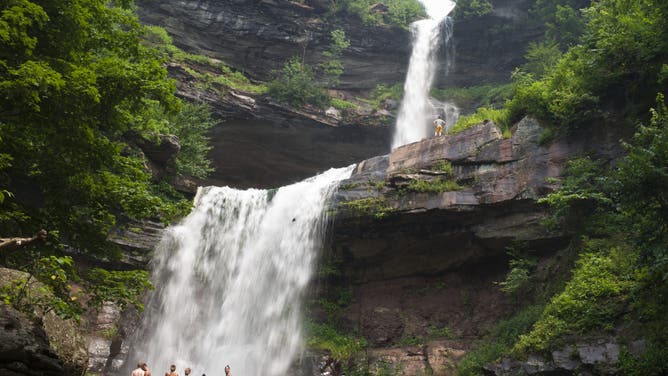
People cool off at Kaaterskill Falls, a two-stage waterfall on Spruce Creek in the eastern Catskill Mountains, on July 20, 2021 in Greene County, New York State.
( Liao Pan/China News Service via Getty Images)
Mosquito season typically stretches from May through September, when warm, humid weather fuels breeding in woodlands, wetlands and coastal marshes.
LOUISIANA
Louisiana‘s subtropical climate and Gulf Coast influence create the perfect recipe for a long, relentless mosquito season that typically stretches from March through September.
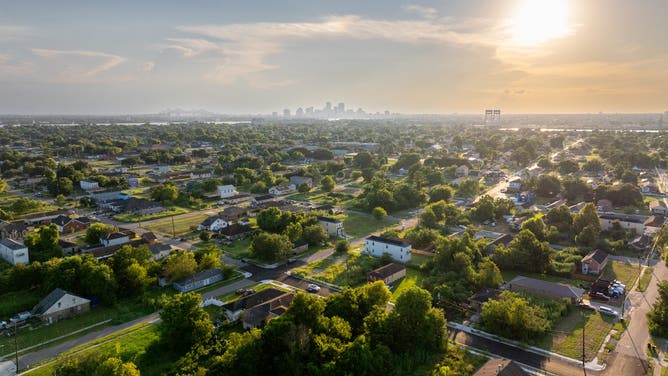
In an aerial view, the New Orleans downtown skyline on August 26, 2025 in New Orleans, Louisiana.
(Brandon Bell/Getty Images)
Home to 68 mosquito species, the Pelican State is defined by swamps, bayous and cypress-lined waterways that provide abundant breeding habitat. Add in 21 state parks and nearly thousands of miles of navigable waterways, and it’s easy to see why mosquitoes thrive across much of Louisiana for months on end.
GEORGIA
Georgia’s warm, humid climate is famous for producing peaches, but it also creates prime breeding conditions for mosquitoes.
More than 60 mosquito species call the Peach State home, thriving in its dense forests, coastal swamps and sprawling salt marshes. Summer heat, frequent rainfall and abundant standing water provide ideal habitat for the biting insects.
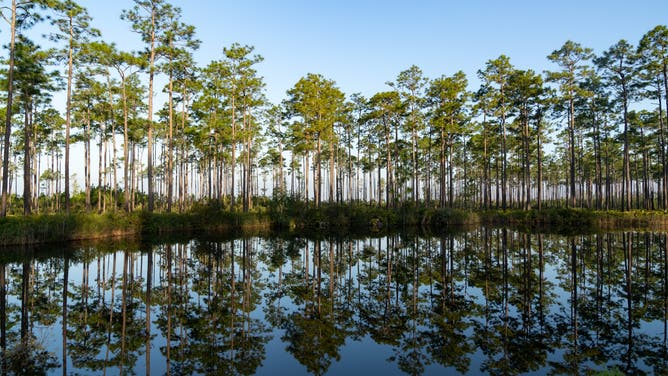
Trees are reflected in the water of the Okefenokee Swamp on March 15, 2024 in Folkston, Georgia.
(Megan Varner/Getty Images / Getty Images)
Mosquito season typically runs from March through September, when Georgians and visitors alike can expect the familiar buzz to accompany outdoor adventures across much of the state.
ALABAMA
Alabama may be famous for football, but its forests, state parks and Gulf Coast also provide prime habitat for mosquitoes.
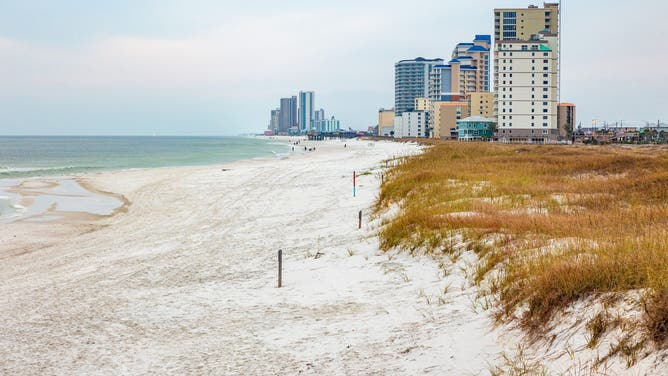
Hotels and condominium buildings along the shoreline of the beach on the Gulf of Mexico at Gulf Shores, Alabama.
(Ron Buskirk/UCG/Universal Images Group via Getty Images / Getty Images)
Warm, humid summers and frequent Gulf moisture create favorable breeding conditions, allowing mosquito populations to thrive from spring through fall.
SOUTH CAROLINA
South Carolina may be one of the smaller states on the list, but it still offers ideal conditions for mosquitoes.
The state’s subtropical climate, coastal marshes and frequent summer rainfall create prime breeding habitat, with tropical systems often boosting mosquito populations even further.
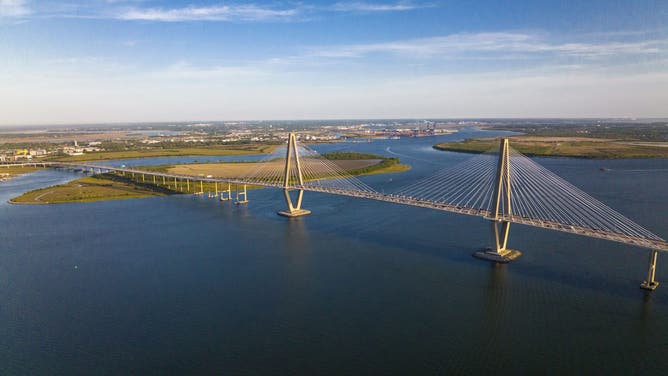
Arthur Ravenel Jr. Bridge is a Cable-stayed bridge over the Cooper River to Charleston, South Carolina.
( via Getty Images / Getty Images)
Home to 61 mosquito species, South Carolina‘s mosquito season typically runs from March through September.
NORTH CAROLINA
North Carolina offers many of the same mosquito-friendly ingredients as its southern neighbor, but with a landscape that stretches from the Appalachian Mountains to the Atlantic coast.
Long, warm summers and plentiful moisture create favorable breeding conditions across much of the state, allowing nearly 60 mosquito species to thrive.
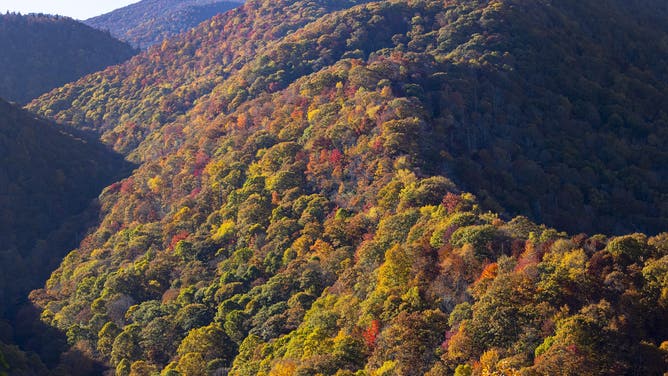
Cherry Cove outlook on the Blue Ridge Parkway located in the Blue Ridge Mountains near Asheville, North Carolina on Wednesday, October 25, 2023.
(Thomas O’Neill/NurPhoto via Getty Images / Getty Images)
Mosquito season typically peaks from April through September.
KENTUCKY
Kentucky’s hot, humid summers and frequent rainfall create ideal conditions for mosquitoes to thrive across the Bluegrass State.
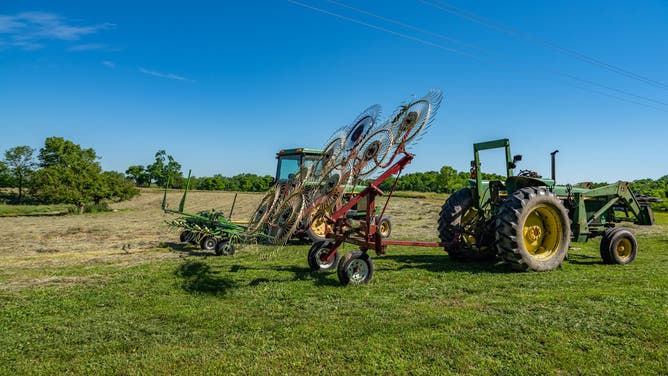
Mowing equipment on a farm in the bluegrass area of Kentucky.
(Jim Lane/Education Images/Universal Images Group via Getty Images / Getty Images)
Mosquito season typically runs from April through September, when warm weather keeps the biting pests at their most active.
MICHIGAN
The Great Lakes shape Michigan’s climate, delivering harsh winters but also warm summers that draw visitors to the state’s countless lakes, rivers and forests.
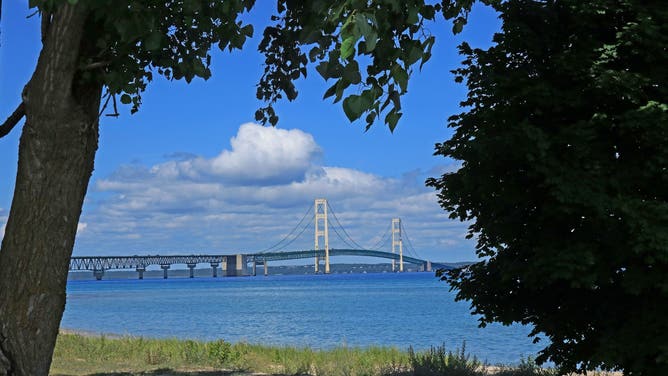
Strait of Mackinac Bridge in northern Michigan.
(Photo by: Education Images/Universal Images Group via Getty Images / Getty Images)
Those same waterways that make Michigan a premier outdoor destination also provide ideal mosquito habitat once temperatures rise.
Mosquito activity typically peaks from May through September, when the state’s warmest months bring both outdoor adventure and plenty of biting pests.