NEWYou can now listen to Fox News articles!
Calling 911 is one of those moments when you expect a human voice on the other end. In New Orleans, though, an artificial intelligence system may answer in a limited situation involving certain calls about already reported auto crashes.
The Orleans Parish Communication District handles 911 emergency communications in Orleans Parish. OPCD says the AI helps manage repeat crash reports while keeping human call-takers available for other emergencies.
Hearing an automated voice after dialing 911 could make anyone pause. So, here is what the system actually does, when it steps in and where humans remain in control.
New! Free live CyberGuy class: Protect Your Money From Today’s Biggest Threats
Join us Saturday, Aug. 29, at 10 a.m. ET for a free CyberGuy LIVE class covering five simple steps to help defend yourself against AI scams, fraud, identity theft and financial hacks. Kurt “CyberGuy” Knutsson will explain how to set up bank alerts, strengthen your account logins, protect your phone number, freeze your credit and help secure your retirement savings against unauthorized transfers. No technical experience is needed. You’ll also receive our financial protection checklist, and every registrant will get a link to the class recording afterward.
Reserve your free spot today at CyberGuyLive.com.
SMART STREET SENSORS COULD BE WATCHING YOUR CITY NEXT
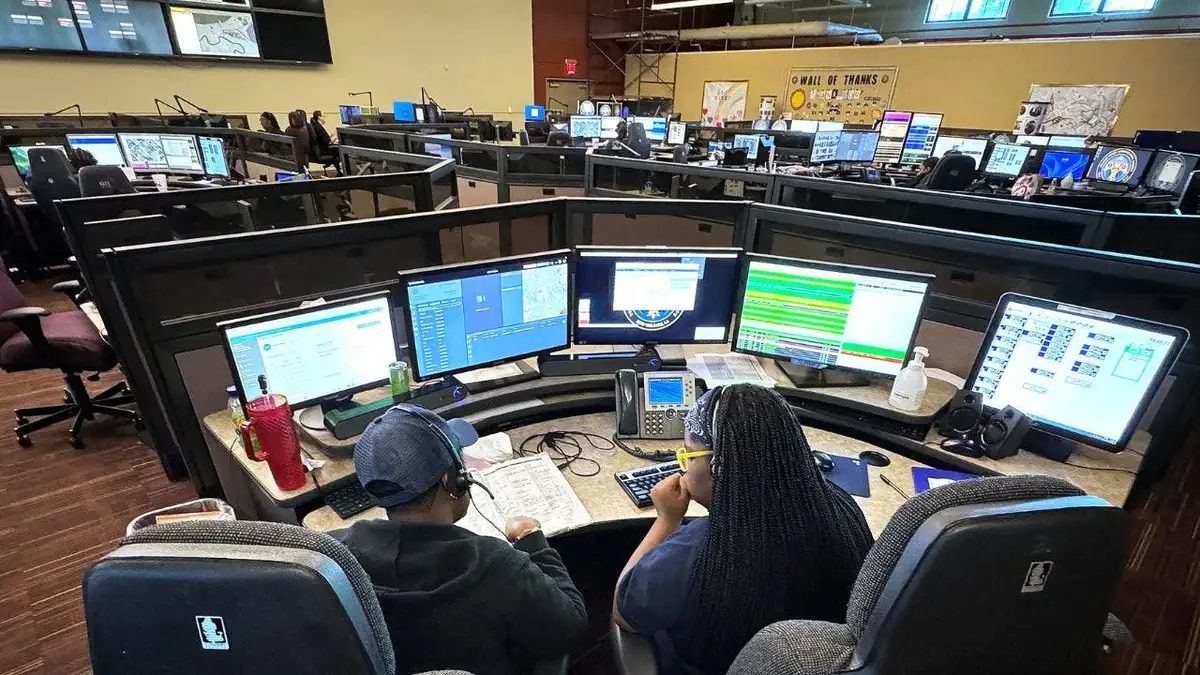
New Orleans uses artificial intelligence to help handle certain repeat 911 calls about auto crashes already reported to emergency dispatchers. (Kurt “CyberGuy” Knutsson)
How New Orleans 911 AI works
OPCD began working with emergency communications company Carbyne on AI-assisted call triage before launching the system in 2023. Carbyne calls the technology AI-V Emergency Call Triage. The company designed it to help emergency communication centers deal with sudden floods of calls about the same event.
A car crash can create that problem quickly. OPCD says one accident can generate numerous calls from nearby drivers. During busy periods, those repeat reports can pile up while call-takers handle other emergencies. The AI gives OPCD another way to manage some of those repeat calls.
The system checks whether an incoming call comes from within 200 meters, or about 650 feet, of a crash that 911 already knows about. It can step in only when every human call-taker is occupied. OPCD says it has not deployed the system this way for any other category of 911 call.
What happens when the AI answers
The conversation starts simply. OPCD says the AI identifies the call as New Orleans 911. It then asks whether you are calling about an accident at a specific location. Your response determines what happens next.
Answer anything other than yes, and the system returns your call to the 911 queue for a human call-taker. OPCD says this safeguard works regardless of the language you use. Confirm that you are calling about the known crash, and the AI tells you that 911 already knows about it.
Someone involved in the accident or a caller with more information can stay on the line for a human. Otherwise, the system tells the caller that they may hang up. OPCD says the AI itself cannot end the call. The caller decides when to hang up.
What the AI cannot do
The limits of the system become especially important when you are talking about 911. OPCD says the AI cannot dispatch emergency responders. It also cannot determine how urgently a call should be handled.
Its role focuses on identifying this specific type of repeat crash call and determining whether the caller needs to remain in the human queue.
OPCD also says the technology isn’t a large language model like ChatGPT. The system performs a much narrower task within the emergency communications network. Comparing it directly with a general-purpose AI chatbot can therefore create the wrong impression of what it actually does.
What happens when the system does not understand you?
This was one of my first questions about the technology. OPCD says the system sends a call back to the queue or a human operator when it cannot understand the caller.
It also defaults to a human when a call falls outside the limited crash scenario it was designed to handle. The system supports multiple languages. OPCD also trained it using local 911 recordings to better understand New Orleans accents and local street names. That local training can help in a city where a street name could challenge an unfamiliar voice system.
AI CHATBOT PRIVACY: WHAT YOUR AI MAY KNOW ABOUT YOU
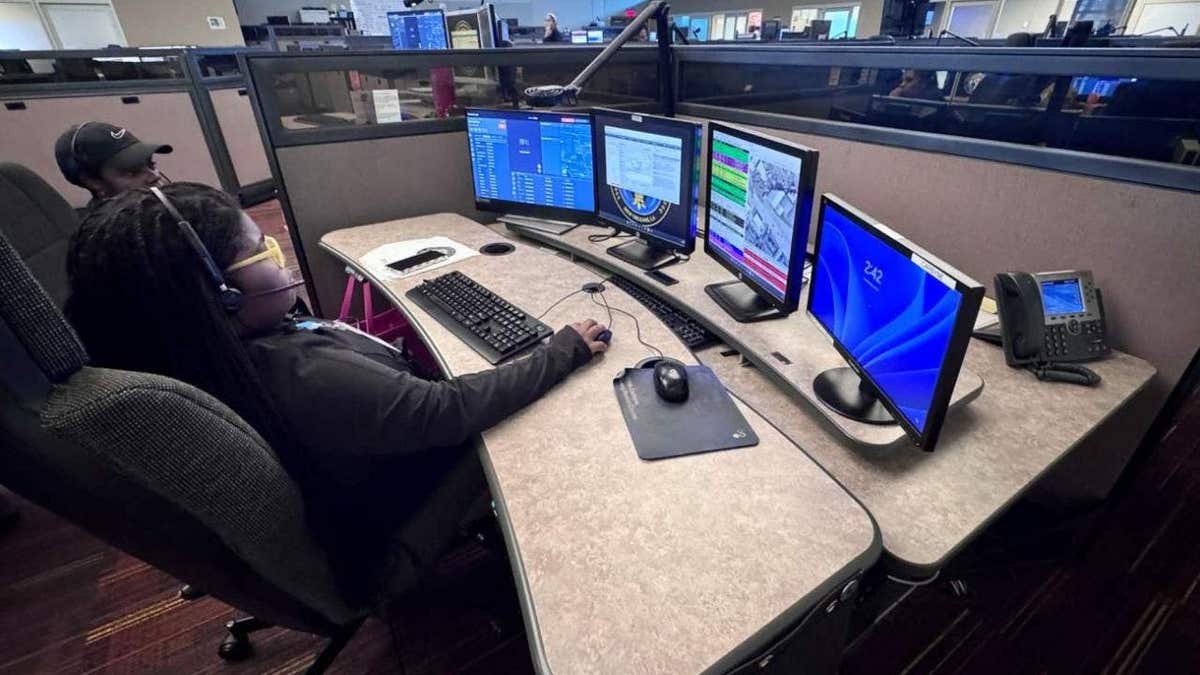
Visual representation of artificial intelligence systems or technology interface related to emergency services dispatch. (Kurt “CyberGuy” Knutsson)
What happens if you hang up while waiting?
There is another safeguard worth knowing about. OPCD says the AI system keeps the 911 center’s normal callback procedures in place.
Once your call enters the queue for a human, hanging up does not erase it. The call center can contact you after staff work through the queue. Still, OPCD advises callers to stay on the line whenever possible. A call waiting in the queue will eventually reach a call-taker.
Calls still get recorded
An AI interaction does not disappear from the system. OPCD says it logs these calls with the normal metadata and audio recording. Those records remain available when investigators need them.
The agency also says calls handled through the system do not get uploaded to an outside large language model. That addresses an obvious privacy question whenever AI becomes part of an emergency communications system.
Has the New Orleans 911 AI made mistakes?
OPCD says it tested the technology for several months before putting it into live use. The agency says its team reviewed 100% of the calls handled by the system during its first three months. During that review period, OPCD says it found no false positives or false negatives.
In practical terms, the system handled the calls OPCD expected it to handle without taking over calls outside its intended use. That result is encouraging, although it covers a defined review period rather than every call handled since the system launched. OPCD says its compliance team continues to audit the technology closely.
Has the system helped?
Carbyne has published performance figures from its work with OPCD. Because Carbyne provides the technology, these numbers are vendor-reported rather than findings from an independent study. In a Carbyne case study, the company says its AI-V Emergency Call Triage system triaged more than 3,500 events during a 90-day period.
Carbyne reports that redundant calls among those triaged calls dropped by more than 30%. The company also says distressed callers got their calls answered up to 40 seconds faster on average. Those numbers suggest the approach has potential. Still, I would like to see OPCD continue releasing its own performance data over time.
Is AI replacing New Orleans 911 call-takers?
OPCD says no. The agency has struggled to fill all of its available call-taker positions. Staffing shortages also remain a broader problem across the 911 industry. OPCD says it views AI as a tool to support its human call-takers rather than replace them.
For New Orleans, the goal is to reduce repeat crash reports during call surges so human call-takers can reach other people waiting for help. The agency says it has not expanded AI triage to other categories of 911 calls.
Could New Orleans expand its 911 AI later?
OPCD is studying what else the technology might eventually do. However, those experiments are taking place in a testing environment rather than on the live 911 system.
The agency says it has explored whether AI could help with other types of call clusters. It has not put those uses into operation. OPCD also says it will not expand the AI triage tool to additional 911 categories unless the agency can ensure the technology works properly. For now, its live use remains focused on the specific auto-crash scenario.
What this means to you
New Orleans may be the test case here, but this story reaches far beyond one city. AI is starting to move into public services that people rely on during emergencies. That means your community could eventually face the same questions. When should AI step in? What should it be allowed to handle? How quickly can you reach a human when something goes wrong?
For now, New Orleans keeps the system on a very short leash. It handles only certain repeat calls about known crashes, and human call-takers remain available for anything outside that narrow use. The bigger question is what happens next.
As more emergency centers look for ways to handle staffing shortages and call surges, AI could become part of the conversation where you live. If that happens, you should know exactly what the system can do, what it cannot do and how easily you can reach a person. That is what I would be watching most closely.
LAGUARDIA AIRPORT AI HOLOGRAM ANSWERS TRAVELER QUESTIONS
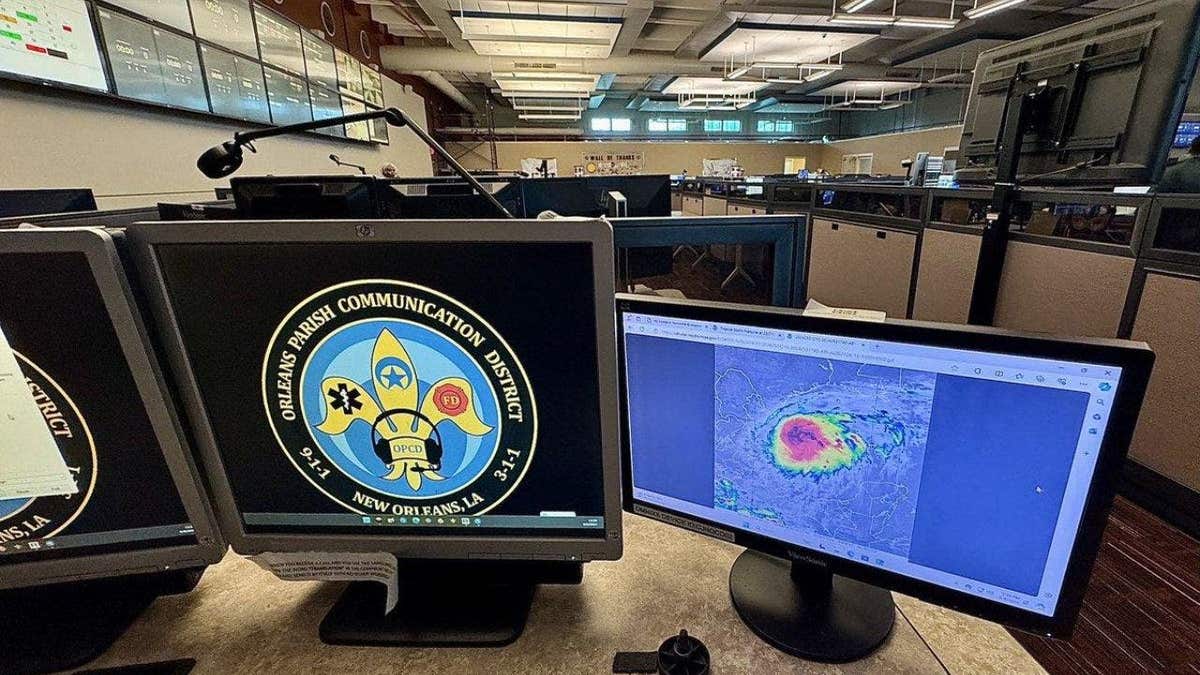
An AI system can answer some New Orleans 911 calls when human call-takers are busy, but its role is limited to repeat reports of known crashes. (Kurt “CyberGuy” Knutsson)
Kurt’s key takeaways
Hearing AI on a 911 call would make a lot of people uneasy. I understand why. In an emergency, you want help fast and a clear way to reach a person. New Orleans has given its AI a narrow job. It can help filter repeat reports of an accident that 911 already knows about while human call-takers are busy. I can see the benefit. One crash may generate many calls while someone elsewhere needs help with a completely different emergency. Still, 911 deserves an extremely high standard. OPCD says its early audit found no false positives or negatives, and the agency continues to monitor the system. I want that scrutiny to continue. Any move beyond this limited use should come with clear safeguards and solid performance data.
Would you feel comfortable hearing an AI system after dialing 911 when it could help human call-takers reach other emergencies faster, or would you always want a person to answer first? Let us know by writing to us at CyberGuy.com.
Sign up for my FREE CyberGuy Report
- Get my best tech tips, urgent security alerts and exclusive deals delivered straight to your inbox.
- For simple, real-world ways to spot scams early and stay protected, visit CyberGuy.com – trusted by millions who watch CyberGuy on TV daily.
- Plus, you’ll get instant access to my Ultimate Scam Survival Guide free when you join.
CLICK HERE TO DOWNLOAD THE FOX NEWS APP
Copyright 2026 CyberGuy.com. All rights reserved.