Stock futures jumped while oil prices and bond yields tumbled Monday evening on reports that a deal to reopen the Strait of Hormuz was coming together, even as the U.S. military conducted new airstrikes on Iran.
Futures tied to the Dow Jones industrial average surged 297 points, or 0.58%. S&P 500 futures were up 0.64%, and Nasdaq futures leapt 0.90%. All three indexes pulled back a bit from earlier highs.
U.S. oil futures sank 5.5% to $91.32 a barrel, but also pared steeper losses. Gold rose 0.48% to $4,545 per ounce.
The U.S. dollar was up 0.07% against the euro and up 0.04% against the yen. The yield on the 10-year Treasury plunged 7.2 basis points to 4.50%.
Reports over the holiday weekend pointed to an emerging agreement that would extend the ceasefire for 60 days. At the same time, Iran would allow ship traffic to flow freely through the Strait of Hormuz, while the U.S. would lift its naval blockade on Iranian ports.
But the thornier issues of Iran’s uranium and nuclear program as well as the U.S. lifting sanctions and unfreezing Iranian assets would be tackled in negotiations during the 60-day window.
While talks haven’t begun yet, President Donald Trump signaled a major concession on the nuclear issue, saying in a social media post that he’s open to allowing Iran’s enriched uranium be destroyed “at another acceptable location” outside the U.S.
Renewed fighting on Monday has already tested the fragile situation as explosions rocked the southern port city of Bandar Abbas near the Strait of Hormuz.
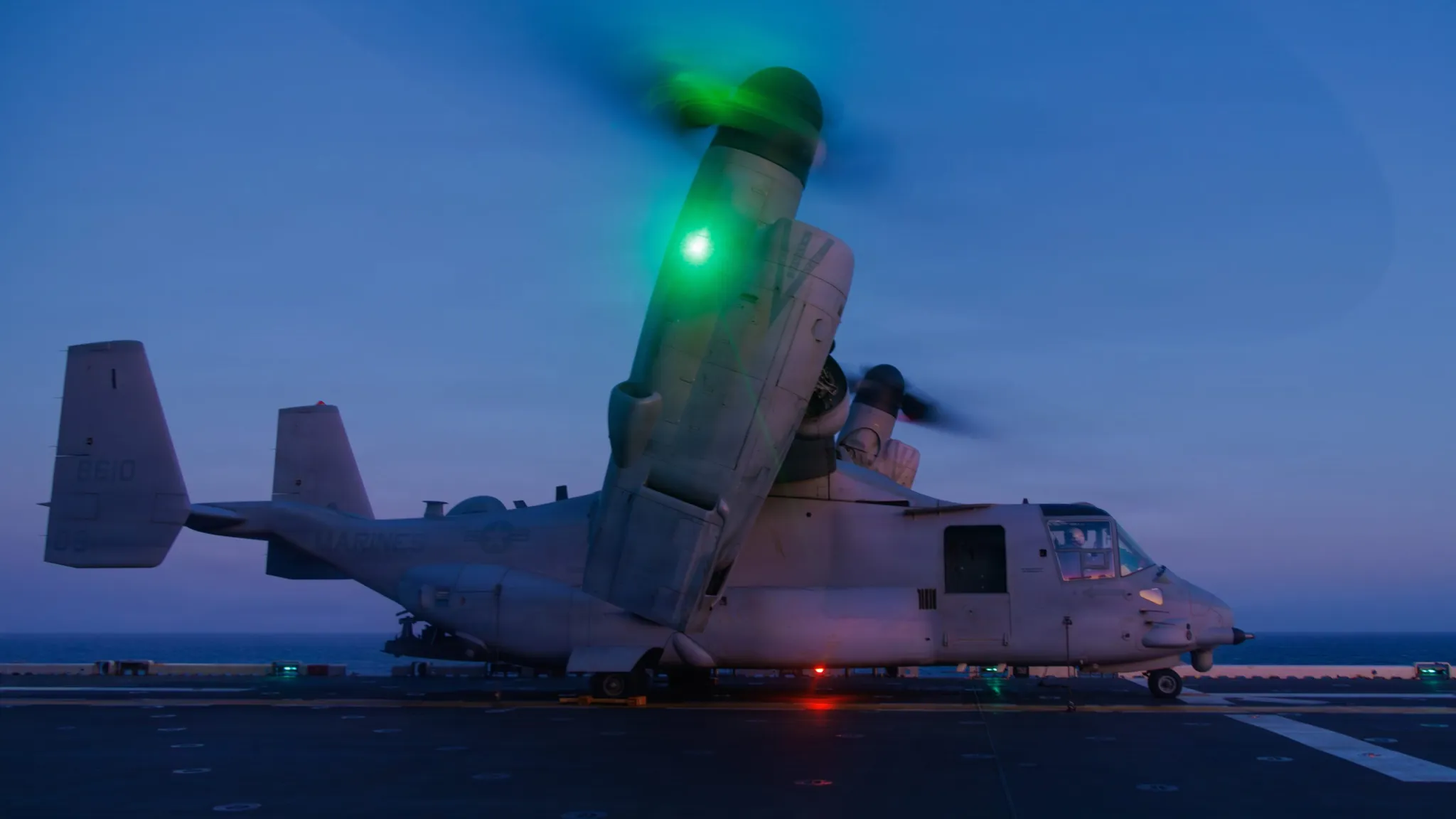
“U.S. forces conducted self-defense strikes in southern Iran today to protect our troops from threats posed by Iranian forces,” a U.S. Central Command spokesman told Fox News. “Targets included missile launch sites and Iranian boats attempting to emplace mines.”
He added that U.S. used restraint “during the ongoing ceasefire,” indicating the attacks do not mean the ceasefire is over.
Sources also told Fox separately that the U.S. military destroyed two Islamic Revolutionary Guard Corps vessels trying to deploy mines and a surface-to-air missile site in Bandar Abbas that was targeting U.S. planes.
Meanwhile, Israeli Prime Minister Benjamin Netanyahu said attacks on Hezbollah would intensify, potentially threatening the talks as Iran has insisted that any deal include the Lebanese militant group.
Despite the current ceasefire starting a month and a half ago, Israel and Hezbollah have been exchanging attacks during that time.
“But we are not removing our foot from the pedal,” Netanyahu said Monday. “On the contrary, I said to press on the pedal even more.”
Even if the Strait of Hormuz opens immediately, the full resumption of the oil trade and traffic flows could take two or three months.
Top oil-consuming countries have been releasing reserves to help offset shortfalls while other countries have enacted strict rationing policies.
But the global economy is running out of time. Veteran commodities analyst Jeff Currie, Carlyle’s chief strategy officer of energy pathways, told CNBC that Asia is already close to minimum operating levels, or “tank bottoms.”
“I would say, Asia, you’re there,” he added. “Europe, give it about another month, and look for July being a problem in the U.S.”