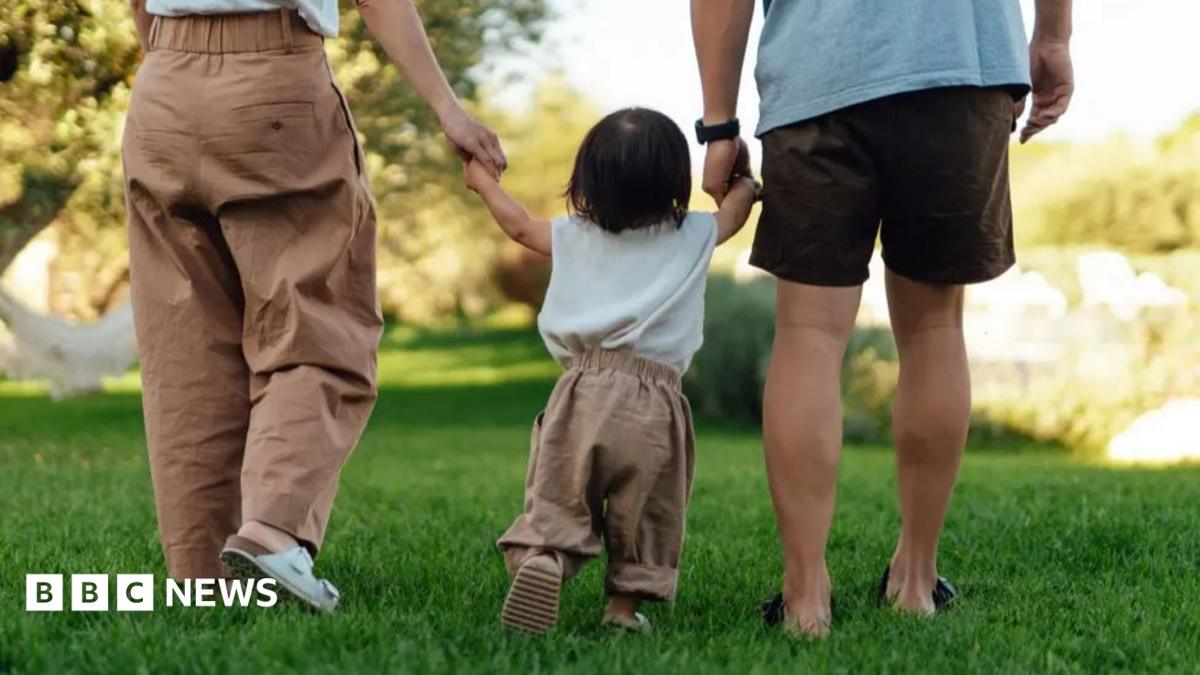
David and Ally had always wanted children but after Ally went through several painful miscarriages, they decided to adopt.
But they faced a long wait for a Singaporean child – with one adoption agency giving them a queue number of 142.
So they did what many Singaporeans in this situation do, and looked overseas. An estimated two-thirds of the children adopted in Singapore every year were born elsewhere, usually in neighbouring countries.
David and Ally chose a local agency that specialised in arranging adoptions of Indonesian babies.
Weeks later, they were peering at a tiny infant held up to the camera, in a video call arranged by the agency.
“What was so special about him that caught our attention? He’s very smart ! He smiled at us,” recalled David.
The couple paid tens of thousands of dollars, a sum they were told would cover agency fees, legal costs, expenses for the child, and a “token sum” for the biological parents.
Within a few months, Marcus was brought over to Singapore. The moment he was placed in their arms, “we felt nervous, scared, but happy,” said David. “We looked at each other and we said…”
“This is it, this is the real deal,” Ally finished his sentence.
Marcus’s adoption in Singapore was approved swiftly, and the final step was to apply for his citizenship. When immigration officials called them in for a meeting, they were expecting good news.
Instead, their lives were upended. They were told the citizenship application was suspended and that Marcus had possibly been trafficked into Singapore.
“That’s when I burst,” said David, who felt the Singaporean government should have done more in their checks.
“I said to them: ‘Didn’t you do your due diligence? You did all the checks, right? You put us through a tough but necessary process, that is why we abided to it’. They could not answer us.”