
The U.S. can’t fully reopen the Strait of Hormuz, and Iran can’t stop every ship from transporting oil through narrow waterway.
At the same time, the U.S. is preventing Iran from exporting its crude supplies or importing critical goods, while American forces grapple with munitions and readiness issues.
The result has been a stalemate where oil prices stay choppy but relatively in check and missiles are still launched without all-out war returning. This uneasy equilibrium, however, isn’t likely to last.
For now, significant volumes of oil are still sneaking through the Strait of Hormuz, contradicting Tehran’s claims that it’s completely closed off, as rivals Iraq, Qatar, Kuwait, and the UAE use a “dark” fleet to shuttle supplies in and out clandestinely via ship-to-ship transfers.
The Trump administration has claimed 8 million-9 million barrels a day are getting out this way, though analysts have put it closer to 7 million. While that’s far less than the prewar level of 20 million, the oil flows through the strait plus exports via pipelines add up to about half that amount, buying global energy markets more time before going off a cliff.
And the amount of oil coming out of the Persian Gulf is poised to jump soon despite occasional Iranian attacks on tankers. Export powerhouse Saudi Arabia looks like it’s about to join its neighbors in a big way, as satellite images show the kingdom’s ships on both sides of the strait positioning themselves for shuttle service.
Meanwhile, the U.S. naval blockade that President Donald Trump reimposed is cutting off Iran’s oil exports as well as the revenue the regime generates from it. Officials and business leaders in Tehran are increasingly warning that the blockade will crush the Iranian economy, which was already in shambles before the war.
Experts have cautioned that Iran’s repressive regime is unlikely to be swayed by the suffering of ordinary citizens and is prepared to wait out economic hardship longer than the U.S. public can endure high gas prices.
But Iran is also unlikely to do nothing while its economy keeps crumbling, forcing Trump to pivot back to a kinetic war from an economic war.
Majidreza Hariri, the head of the Iran-China Joint Chamber of Commerce, recently admitted the U.S. blockade will eventually inflict more economic damage than actual war.
To avoid this, he urged the regime to do whatever it takes to end the blockade, “whether through negotiation, supplication, threats, or even war.”
“We must also eliminate the perception in the U.S. that it can resort to such an action whenever it wants, and make it understand that the consequences of such a move could be severe,” Hariri added.
In fact, Iran has reorganized its military to be more aggressive and has seen its tactical situation improve despite conventional forces being decimated by U.S.-Israeli bombardment earlier in the war.
Iran has developed new missiles that are better at evading air defenses, making U.S. military assets and allied oil infrastructure around the region more vulnerable.
The U.S. military has also expended much of its interceptor stockpile, which is now so low that it reportedly factored into Trump’s decision to call off a major re-escalation of war.
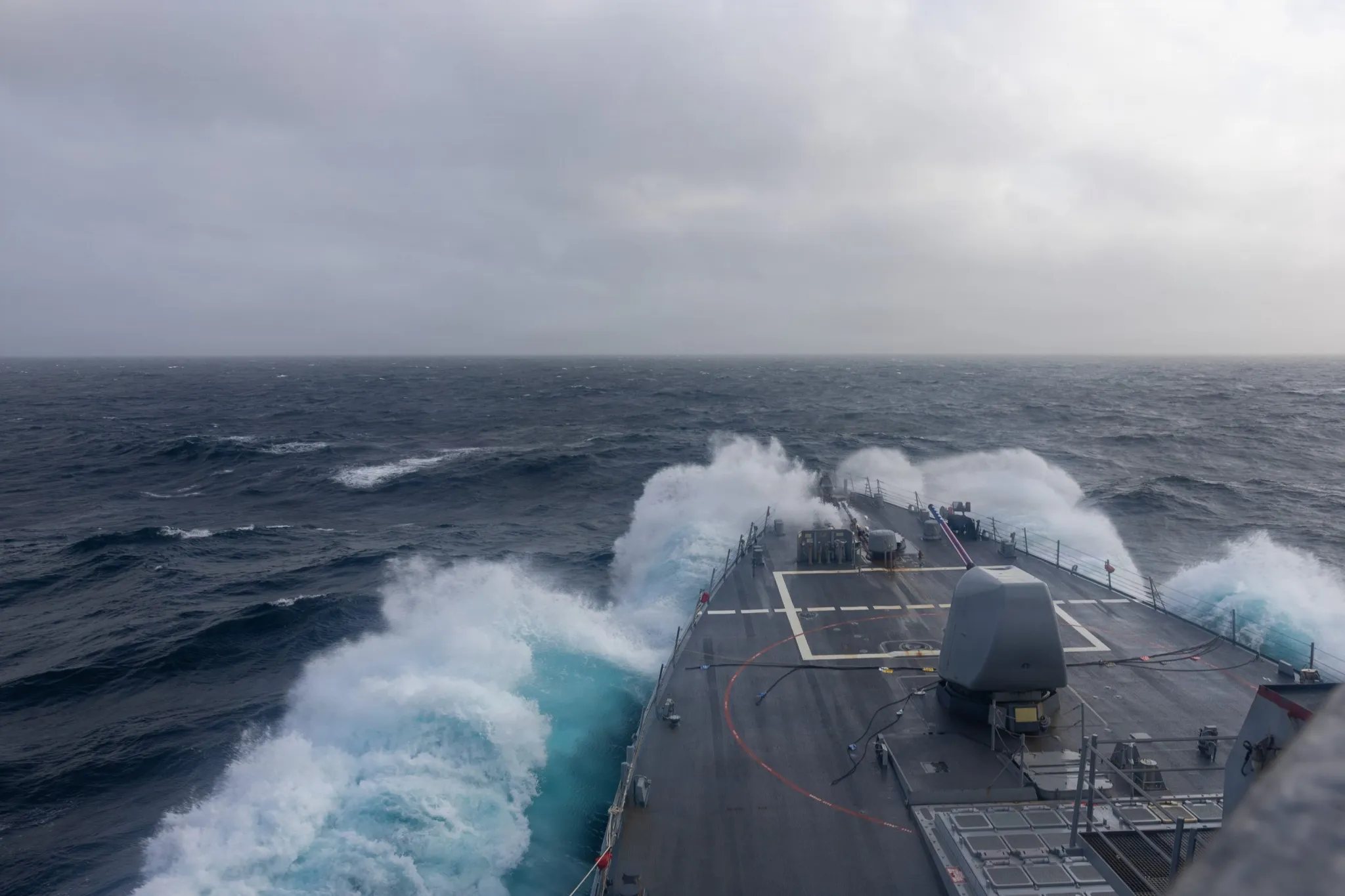
In addition, even maintaining the naval blockade has strained U.S. forces as the U.S.S. Abraham Lincoln aircraft carrier struggles with mental health and supply issues amid a record-long time at sea. Another carrier is on the way to take its place, but other ships performing blockade operations are likely facing similar logistical concerns.
“Could the U.S. naval blockade worsen Iran’s already dire economic situation? Absolutely, which is why nobody should expect Iran to just sit idly by as that happens. It will hit back,” Eric Brewer, a former U.S. intelligence official, told the Wall Street Journal. “Iran has proven to have a higher pain tolerance than the United States. I’ve seen nothing to suggest that’s changed.”


