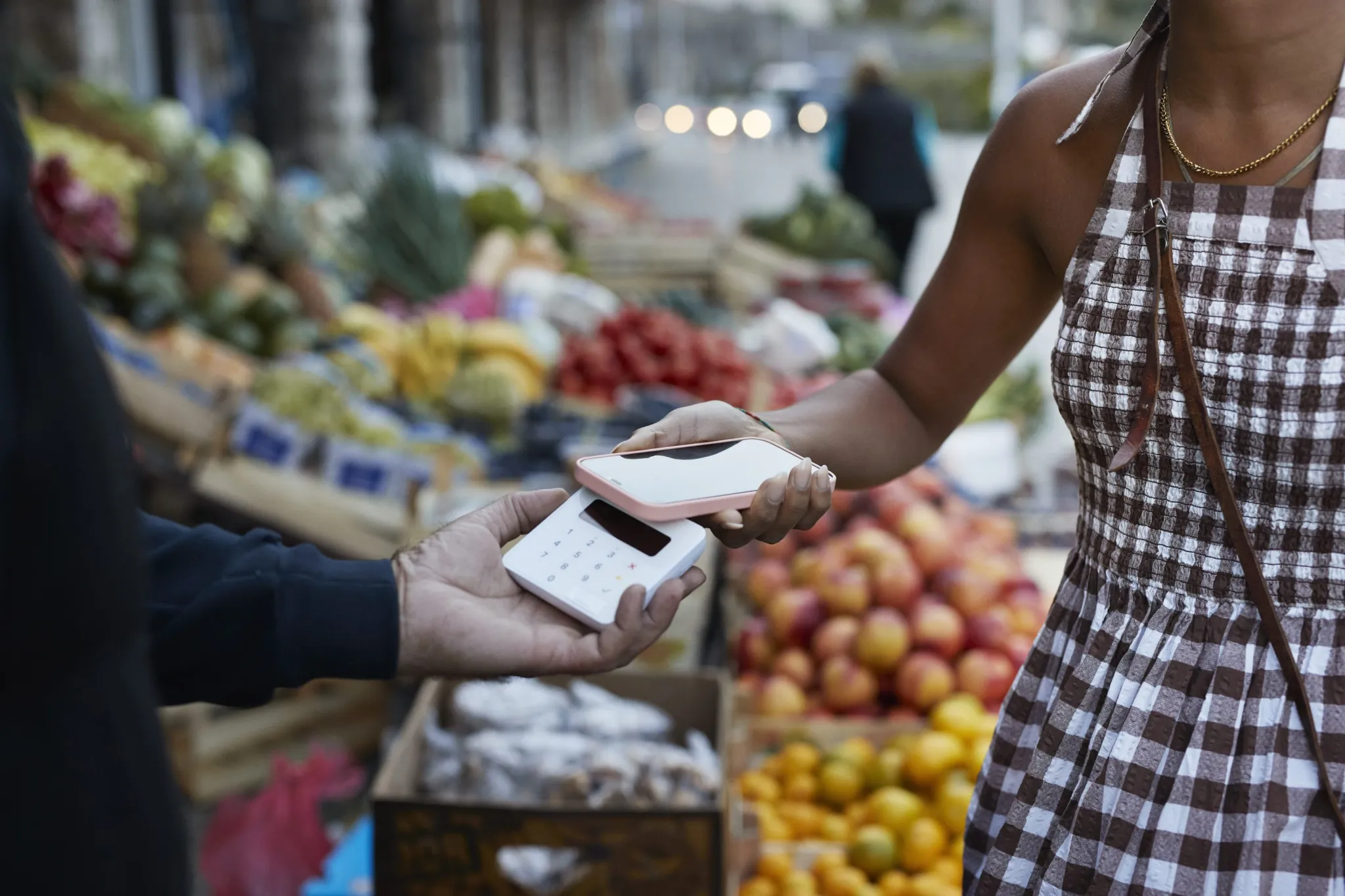
We’ve all experienced that semi-awkward moment of being approached on the street and asked to make a donation to a cause we’ve probably never heard of. Either because we feel inclined to donate to avoid guilt or because we genuinely feel compelled to contribute, we’ll throw a few bucks in the pot.
But the problem is, a growing number of scammers are out there posing as a nonprofit or charity and asking for money. And not only that, but some will do the old bait-and-switch with payments. For example, you intend to donate $20 using a tap-to-pay model, but the scammer would change the transaction to $2,000 without you even noticing. That’s according to Kurt Knutsson, the tech expert behind CyberGuy Report.
Essentially, scammers are taking advantage of the newer tap-to-pay model, hoping you won’t notice the number on the screen had changed based on what you had agreed on donating.
This further dissolves the trust in philanthropies and nonprofit organizations millennials and Gen Zers so desperately want. According to Bloomerang’s 2026 Giving Signals Report, conducted with The Harris Poll among more than 1,000 U.S. donors and 400 fundraising leaders in March, millennials and Gen Z care most about giving because it makes them feel as if they are “part of something.” But even more than that, consumers want to trust in organizations while discretionary spending is more precious amid inflation, stagnant wages, and a higher cost of living.
“Donors are ready to trust nonprofits, but they want to see the receipts more,” Steve Isom, chief operating and financial officer of nonprofit software company Bloomerang, recently told Fortune. “A bit more trust, but verified.”
While the Bloomerang report shows 85% of active donors trust the organizations they donate to use funds effectively, building trust takes time. So, increased scam activity can break down that trust that real philanthropic organizations and nonprofits need to succeed.
So how can consumers avoid scams and trust real organizations?
The disconnect starts with a subtle, yet critical distinction: Authenticating a payment and trusting it aren’t the same thing. A donor can approve a transaction on a card reader and still be deceived about what they are actually agreeing to, Mary Ann Miller, fraud and cybercrime executive advisor and VP of client experience at identity verification company Prove, told Fortune.
“The technology may work exactly as designed, but the problem is the manipulation happening around the transaction,” Miller said.
“Fraudsters are increasingly exploiting trusted interactions and familiar behaviors rather than trying to break through security controls,” she continued. “As these attacks become more convincing, consumers can’t rely solely on intuition or a single authentication step to determine whether an interaction is legitimate or not.” She advises consumers to pause and think before they tap to pay.
Verification gaps matter even more once the money is gone because recovering funds is not guaranteed. Once a payment is authorized by the donor (and not made fraudulently by someone else), getting those funds back becomes even harder, Eva Velasquez, CEO of the nonprofit Identity Theft Resource Center, told Fortune.
While credit cards can offer a cushion because cardholders can contact the issuer and dispute the charge, instant payment methods don’t carry the same protections, she said.
“That is going to be much more difficult to articulate to the financial institutions, and there is no guarantee that you will be made financially whole,” Velasquez added.
That’s because “you did, in fact, authorize the payment,” she added, “but you did not check the final amount for the authorization.”
She also encourages people to flip the dynamic entirely and pick the charity yourself, rather than letting it pick you. Rather than reacting to whoever approaches with a card reader, she encourages donors to decide for themselves which causes they want to support, then vet those organizations through third-party charity accreditation sites before donating.