Sen Bernie Moreno proposes ban on Chinese EVs amid surveillance threat
Sen. Bernie Moreno, R-Ohio, introduces the bipartisan Connected Vehicle Security Act of 2026, aiming to effectively block Chinese-made electric vehicles from the U.S. market. Moreno warns against these vehicles, saying they could potentially allow remote control and pose significant national security threats. He emphasizes protecting the American auto industry and workers from subsidized Chinese exports.
NEWYou can now listen to Fox News articles!
A humanoid robot can carry equipment through a factory or help researchers test new artificial intelligence. However, its cameras can watch everything nearby. Its internet connection can also send valuable information beyond the building. The Trump administration now sees that combination as a potential national security problem.
On July 28, the Federal Communications Commission added foreign-produced advanced robots and connected power inverters to its Covered List. The action blocks many new models from receiving the FCC authorization required before companies can import or sell them in the United States.
Although the final language applies broadly to foreign-produced equipment, China reportedly sits at the center of the crackdown. Officials want to prevent surveillance and cyberattacks while reducing America’s reliance on Chinese technology. They also hope companies will move more manufacturing to the United States.
HUMANOID ROBOT VIDEOS SHOW MACHINES LASHING OUT
CyberGuy Live: Missed “Sick of Spam?” Get the replay and checklist
Our free CyberGuy Live class, “Sick of Spam?”, has ended, but you can still watch the full replay and download our spam-stopping checklist. Kurt “CyberGuy” Knutsson walks you step by step through simple ways to reduce robocalls, spam texts, junk email and unwanted messages. You’ll also learn how to curb political texts, clean up your inbox and spot messages that could put your personal information at risk.
Get the free replay and checklist now at CyberGuyLive.com.
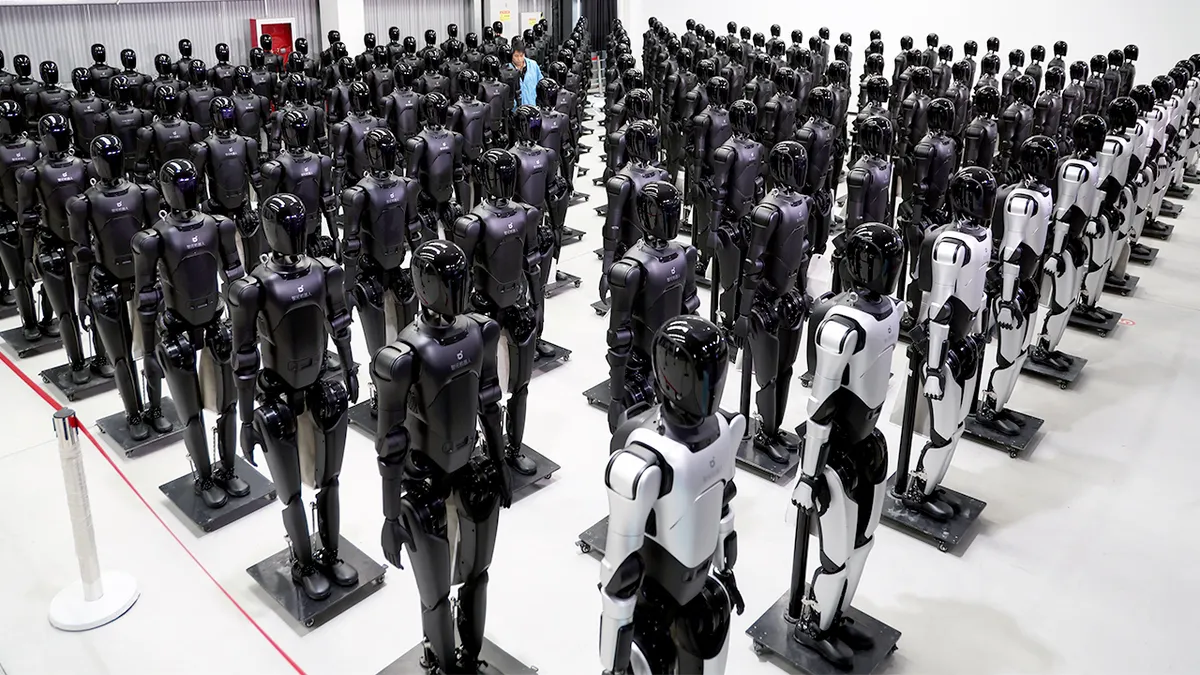
The FCC is blocking new foreign-made advanced robots and connected power inverters over cybersecurity and national security concerns. (Tang Yanjun/China News Service/VCG via Getty Images)
Why the foreign robot ban is happening now
Humanoid robots are no longer limited to flashy demonstrations that rack up views online. Companies are preparing them for factories and warehouses. Researchers are also testing them inside laboratories. Four-legged robots can inspect dangerous areas or patrol large properties. Meanwhile, robot developers are building new safety systems as these machines begin working closer to people.
That sounds useful, but these machines also see and hear a lot. Many come equipped with cameras and microphones. Other sensors help them map rooms, recognize objects and respond to people. The robot may connect to cloud services for AI processing. A company might also use that connection to install software updates or provide remote support. That connection is where the FCC sees a potential problem.
If a hacker gets inside the system, the robot could collect sensitive information or send data somewhere it should not go. An attacker might also interfere with its movements. In some cases, that person could gain remote control. We have already seen how those risks can surface in ordinary connected machines. A recent security report involving Yarbo robot mowers raised concerns about remote access, live camera feeds and saved Wi-Fi information.
Now think about a more powerful robot working inside a factory or research lab. Federal national security agencies say some foreign-made robots could create unacceptable cybersecurity and supply chain risks. They worry that hostile governments could use the technology to monitor Americans. The machines could also gather intelligence from sensitive locations. A stolen password is bad enough. A hacked robot can move through a building while recording what it sees. It may also operate close to valuable equipment.
How the FCC foreign robot ban works
The FCC did not tell Americans to surrender robots they already own. The government also did not automatically order retailers to remove every foreign robot from store shelves. Instead, the agency added foreign-produced advanced robotic devices to its Covered List.
Equipment on that list generally cannot receive a new FCC authorization. Most connected electronic products need that approval before companies can import, market or sell them in the United States. As a result, the restrictions mainly affect new models that have not received authorization. Previously approved products can remain available, although the FCC reportedly retains the authority to revoke earlier approvals.
Companies may also seek conditional approval. Federal national security agencies can review a device and decide whether it presents an acceptable level of risk. Officials expect many non-Chinese suppliers to reportedly receive exemptions. That suggests the broader foreign-made restriction will hit Chinese manufacturers the hardest.
This move did not come out of nowhere. Lawmakers had already introduced a bipartisan proposal that would block federal agencies from using certain robots tied to foreign adversaries. The latest FCC action reaches much further because it can prevent new products from entering the broader American market.
Why power inverters are included in the crackdown
Power inverters rarely attract the same attention as walking robots. Still, they play an important role in America’s energy system. An inverter converts direct current electricity into alternating current electricity. Solar panels and batteries generate or store direct current. Homes, power grids and data centers generally need alternating current.
Many inverters today connect to the internet. Operators use those connections to check performance and install updates. Some systems also allow remote adjustments. However, remote access creates another potential doorway for attackers.
Federal officials worry that foreign companies or hackers could interfere with connected inverters. A coordinated attack might disrupt equipment or expose information about how energy moves through a facility.
A major interruption could affect internet cloud services and the businesses that rely on them. An inverter may look like a metal box mounted beside a solar array. Still, when thousands of connected units feed electricity into important systems, their security becomes much harder to ignore.
OHIO ROBOT COP RETIRES AFTER ZERO ARRESTS
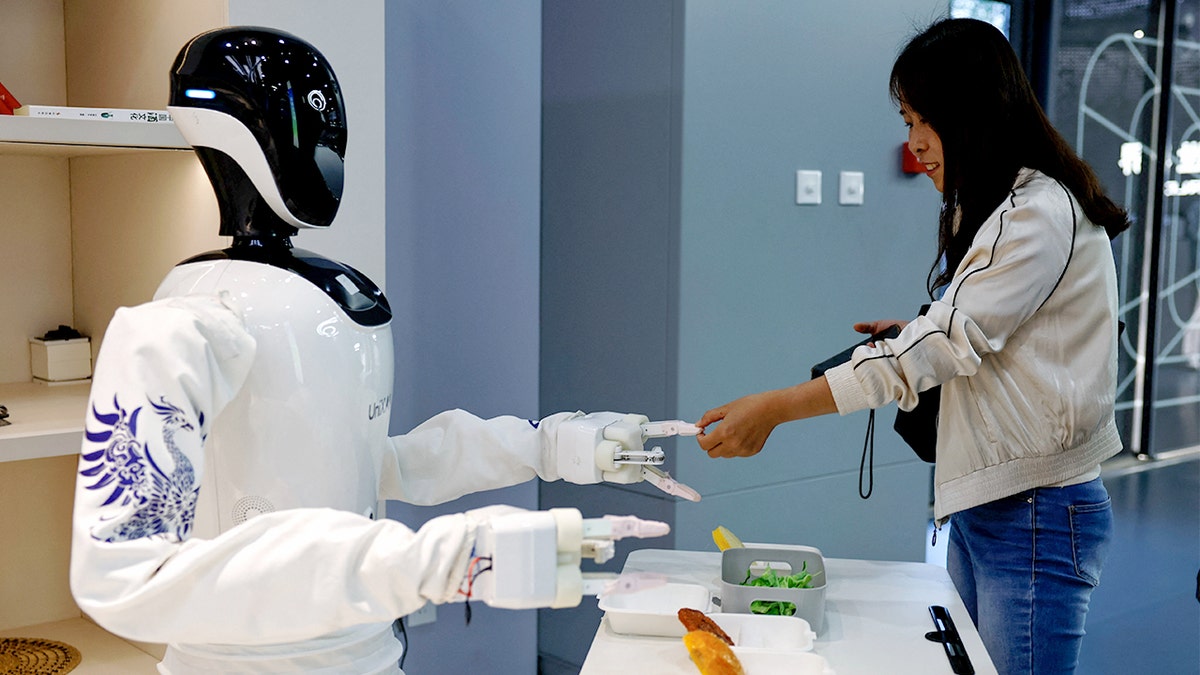
New FCC restrictions could hit Chinese robotics companies hardest while limiting access to lower-cost machines used by U.S. researchers. (REUTERS/Tingshu Wang)
Why China sits at the center of the robot fight
Chinese companies have become major players in advanced robotics. They have gained attention by offering capable machines at prices that U.S. developers may struggle to match. The ban could reportedly hit Unitree especially hard. Counterpoint Research estimates that the Chinese company holds just under one-fifth of the global humanoid robot market.
Unitree has also worked with Nvidia to use its Blackwell AI chips in a robot platform. Nvidia has said data from those robots will remain in the United States. The company also said many Unitree customers in America are universities and research institutions. China strongly criticized the FCC action. Its embassy in Washington accused the United States of unfairly targeting Chinese businesses. It also warned that Beijing could respond if the restrictions harm Chinese interests. Meanwhile, China’s Foreign Ministry called the policy protectionist. A spokesperson argued that the restrictions could hurt American companies and consumers. We reached out to Unitree for comment, but did not hear back before our deadline.
Could the robot ban slow American innovation?
The foreign robot ban may give U.S. manufacturers more room to grow. American companies will face less competition from low-cost Chinese machines in the domestic market. However, the policy could create short-term problems for researchers and startups. Some American teams use affordable Chinese robots to test software or train AI systems. Losing access to newer models could raise costs and limit the hardware available for experiments.
The restrictions could also complicate partnerships between U.S. chipmakers and Chinese robotics companies. That may slow certain projects even as Washington tries to strengthen domestic production. The bigger question involves timing. Building a competitive American robotics supply chain will take investment and skilled workers. Manufacturers must also secure motors, sensors and other components. Until that happens, tighter restrictions could leave a gap between the robots American developers want and the machines they can afford.
How to protect yourself when buying a connected robot
You may never bring a humanoid robot into your home, but smaller connected robots are already everywhere. Robot vacuums, lawn mowers and security devices can collect video, map your property and connect to remote servers. Before you buy one, take a few minutes to check how the company protects that access.
1) Look for an FCC ID
Connected devices sold in the United States should include an FCC identification number. You can usually find it on the product, packaging or manufacturer’s website. Be cautious if the company provides no clear regulatory information.
2) Check where your data goes
Find out whether the robot stores camera footage and room maps locally or uploads them to the cloud. The privacy policy should explain where the company stores that information and who can access it.
3) Review remote access settings
Turn off remote viewing or cloud controls when you do not need them. A feature that lets you control a robot from anywhere could also become an entry point for someone else.
TOP TRUMP AGENCY PURGES OVER 20 SUSPECTED CHINA-LINKED PRODUCTS FROM FEDERAL MARKETPLACE
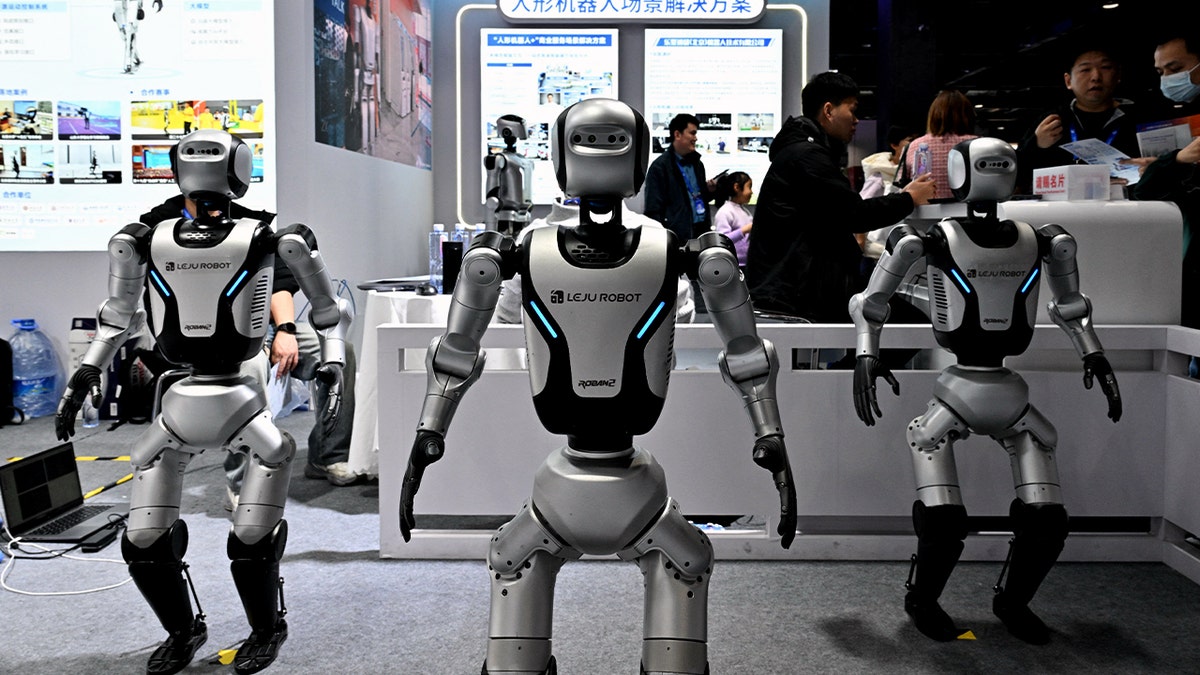
Washington is targeting foreign-produced robots that can collect video, map sensitive locations and connect to remote cloud systems. (ADEK BERRY / AFP via Getty Images)
4) Install every security update
Robot software needs updates just like your phone or computer. Enable automatic updates when available and avoid products from companies with a poor support record.
5) Use a separate Wi-Fi network
Place connected robots and other smart devices on a guest network when your router supports it. That can help keep a compromised device away from your computers and sensitive files.
6) Secure the account controlling the device
Use a strong, unique password for the account that controls your robot. A password manager can create and securely store it for you. Turn on two-factor authentication (2FA) if the manufacturer offers it.
7) Ask questions before installing a connected inverter
If you are installing a connected solar or battery inverter, ask the installer who can access it remotely. You should also find out how the company handles software updates and what happens if its online service shuts down.
Kurt’s key takeaways
I understand why Washington is paying close attention to this. A network-connected machine with cameras and powerful motors warrants a thorough security review. That concern grows when the robot enters a factory, research center or part of America’s energy infrastructure. At the same time, banning new foreign models creates a real tradeoff. Chinese companies currently build many advanced robots at prices American researchers can afford. Restricting that hardware may protect sensitive systems, but it could also slow some U.S. innovation while domestic manufacturers catch up. The success of this policy will depend on what comes next. America needs secure products, strong testing and enough domestic production to give buyers a genuine choice.
Would you accept fewer robot choices and potentially higher prices if the government said the restrictions could prevent foreign surveillance? Let us know by writing to us at CyberGuy.com.
CLICK HERE TO DOWNLOAD THE FOX NEWS APP
Sign up for my FREE CyberGuy Report
- Get my best tech tips, urgent security alerts and exclusive deals delivered straight to your inbox.
- For simple, real-world ways to spot scams early and stay protected, visit CyberGuy.com – trusted by millions who watch CyberGuy on TV daily.
- Plus, you’ll get instant access to my Ultimate Scam Survival Guide free when you join.
Copyright 2026 CyberGuy.com. All rights reserved.