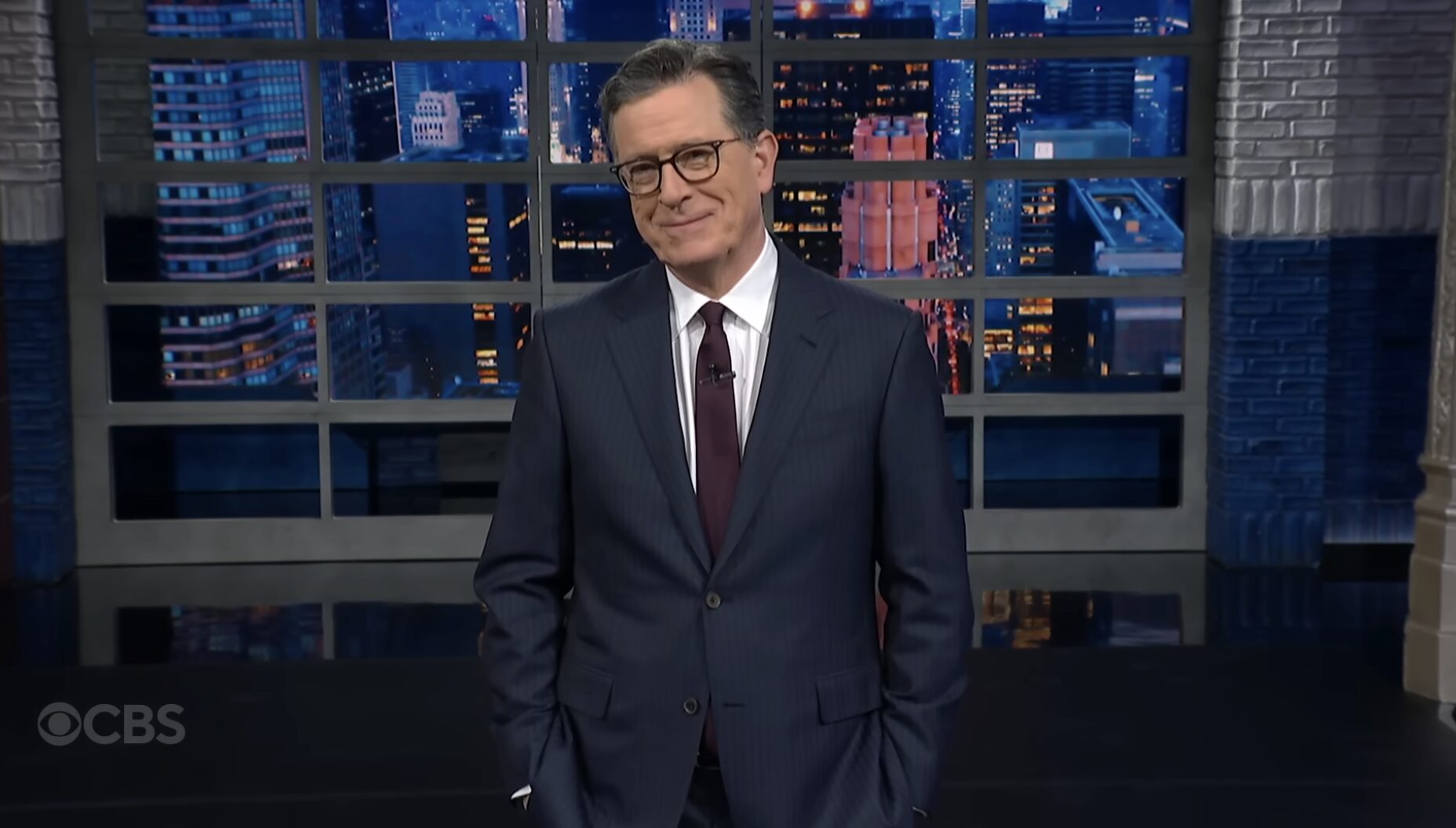
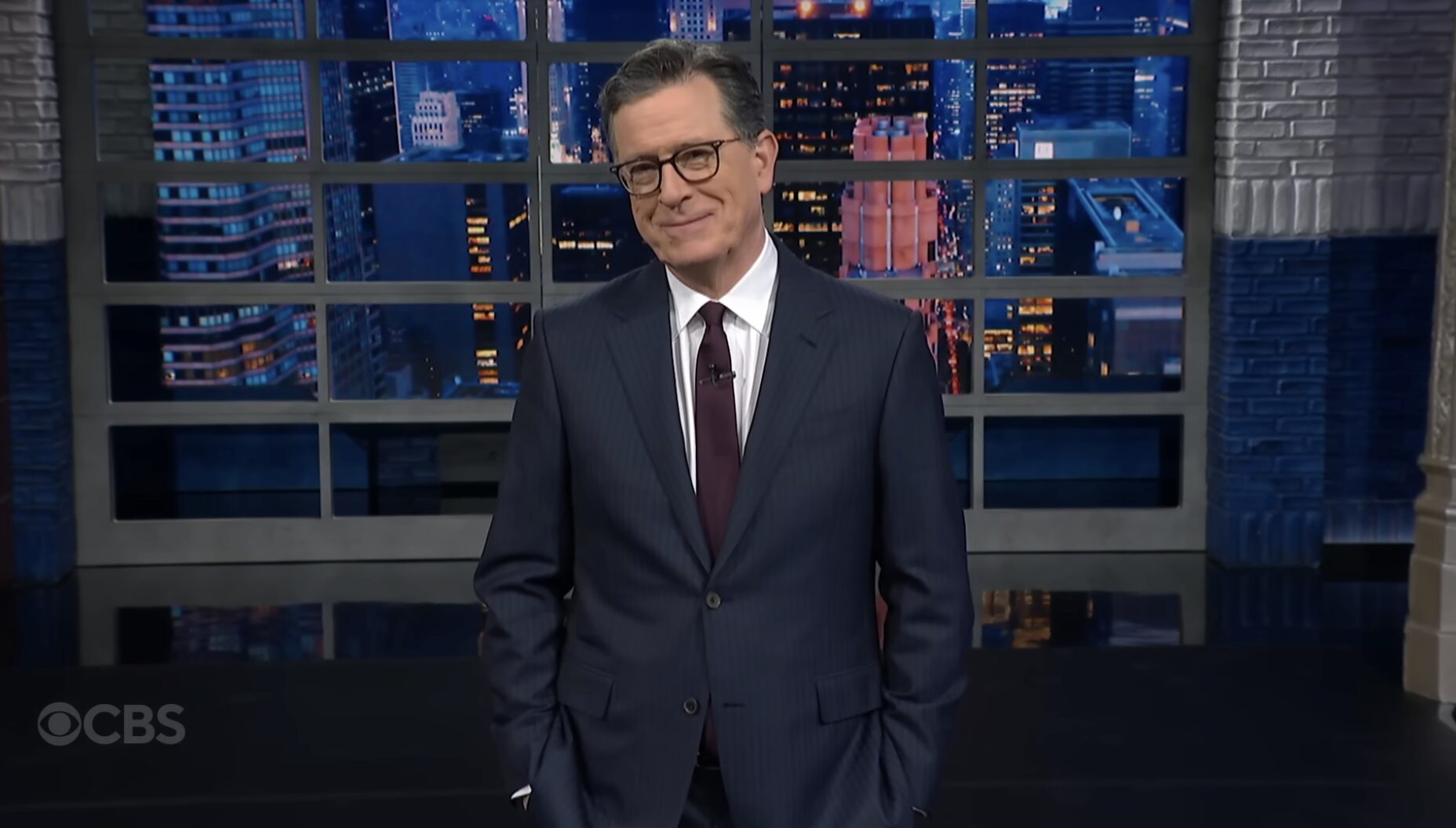
Stephen Colbert smelled comedic gold the moment the cameras caught Donald Trump doing what he has mocked others for doing during a recent press Q&A, and like any seasoned late-night host, he didn’t hesitate to cash in.
The Sept. 17 clip itself was brief, almost ordinary at first glance, but the symbolism was hard to miss — especially for a politician who spent years branding his rivals with sleepy-themed nicknames. For much of the last decade, the president turned “Sleepy Joe” into a signature attack against former President Joe Biden, using it to question his energy and focus on the campaign trail.
Now, critics say, the tables are turning.
California Gov. Gavin Newsom and his team recently introduced their own spin on the narrative, rolling out a new nickname — “Dozy Don” — after footage surfaced showing the president with his eyes closed during a high-profile meeting.
That reversal set the stage for Colbert’s latest monologue, where the late-night host leaned directly into the irony.
The comedian showed footage as Trump sat during a White House question-and-answer session about the conflict on Tuesday, listening as officials spoke around him. At several points, cameras captured the 79-year-old with his eyes closed and his head still while a speaker delivered remarks, creating the impression that he might have briefly nodded off.
Moments later, he reopened his eyes, thanked the room, and continued the discussion, but the visual had already begun circulating online and quickly became fodder for late-night television.
After playing the clip for viewers, he called out to the screen, “Hey, President Sleepy-Time Bear! Wake Up! Get some toothpicks. Try to stay awake for your own bombing campaign.”
The audience erupted as he kept going, suggesting the moment might require a rebrand of the presidency itself. “Somebody cut this guy a rail of ‘Tic-Tacs’ or else we’re gonna have to rename our segment ‘Hormuz Nuz You U Can Uz Commander-in-Snuz.’”
For Colbert, the humor came from the reversal — a familiar insult circling back to its originator — and that sense of irony became the fuel for the joke that followed.
The exchange landed in part because the two men have spent years trading public barbs.
Trump has repeatedly criticized late-night comedians, often singling out Colbert during online tirades and speeches. Their tension has evolved into a familiar cycle: a joke on television, followed by a response online, then another wave of reactions from viewers.
Social media quickly became the loudest arena once the segment aired.
One Threads user wrote, “Great nickname.”
Another joked, “I like ‘tipsy-tot’ myself. Needs a nap,” while a third chimed in, “‘Sleepy-time T’ was right there.”
When the show posted the video on YouTube, others reacted with sharper concern about the optics.
“Everyone else is playing chess while Trump is playing tiddly winks,” one person posted.
Another added, “This guy is in charge of the largest military in the world. Please impeach him immediately before we have no planet left.”
The attention surrounding Trump’s apparent drowsiness has been building for months.
Similar moments have surfaced during Cabinet briefings, policy discussions, and technology meetings, each one prompting renewed debate about whether he was simply resting his eyes or briefly nodding off. In one widely circulated instance, where he was with Michael Kratsios, the White House Director of the Office of Science and Technology Policy, cameras captured him sitting still with his eyes closed while a senior official delivered praise during a presentation.
When the remarks ended, he opened his eyes, thanked the speaker, and moved on without addressing the moment that soon dominated headlines.
Trump has consistently rejected the suggestion that he was asleep, insisting the images reflect nothing more than a blink caught at the wrong second.
He once explained, “I’ll just close. It’s very relaxing to me. Sometimes they’ll take a picture of me blinking, blinking, and they’ll catch me with the blink.”
Supporters have echoed that explanation, pointing to his demanding schedule as evidence that fatigue is not the issue.
In the end, Colbert’s latest jab wasn’t just about one viral clip. It underscored how quickly political branding can boomerang in the digital age, where yesterday’s insult can become today’s punchline — and where even a blink can turn into a headline.