Former NASA astronaut and U.S. Senator Dr. Harrison Schmitt is the last person to have walked on the Moon, during the December 1972 Apollo 17 mission. He joined FOX Weather Command to provide a unique perspective on Artemis II’s historic lunar flyby.
The four-astronaut crew of Artemis II is now headed home after making history Monday, completing their record-breaking lunar flyby, traveling approximately 252,756 miles from Earth — farther than any humans have gone before.
See the complete day-by-day guide for the Artemis II mission below:
TIMELINE: A DAY-BY-DAY GUIDE TO THE 10-DAY ARTEMIS II MISSION TO BRING HUMANITY BACK TO THE MOON
(April 6, 2026) – Earthset captured through the Orion spacecraft window at 6:41 p.m. EDT, April 6, 2026, during the Artemis II crew’s flyby of the Moon. A muted blue Earth with bright white clouds sets behind the cratered lunar surface. The dark portion of Earth is experiencing nighttime. On Earth’s day side, swirling clouds are visible over the Australia and Oceania region. In the foreground, Ohm crater has terraced edges and a flat floor interrupted by central peaks. Central peaks form in complex craters when the lunar surface, liquefied on impact, splashes upwards during the crater’s formation.
(NASA / FOX Weather)
According to NASA, Artemis II crew members — Commander Reid Wiseman, pilot Victor Glover and mission specialists Christina Koch and Jeremy Hansen — broke the 1970 space travel record set by Apollo 13 by about 4,111 miles shortly before 2 p.m. ET Monday.
The crew aboard the Orion spacecraft exited the lunar gravitational sphere of influence — where the moon’s gravity is stronger than Earth’s — just before 1:30 p.m. ET Tuesday.
Following a debrief with NASA science officers, the crew will have staggered off-duty hours as they prepare for the final leg of their journey, which is set to end with a splashdown in the Pacific Ocean Friday afternoon.
MEET THE ASTRONAUTS PREPARING FOR HUMANITY’S RETURN TO THE MOON ON THE ARTEMIS II MISSION
A developing storm system could impact the targeted landing area off the coast of San Diego — be sure to watch FOX Weather for full splashdown coverage of Artemis II.
On Tuesday, Artemis II also shared several never-before-seen images of their trip around the far side of the moon.
-
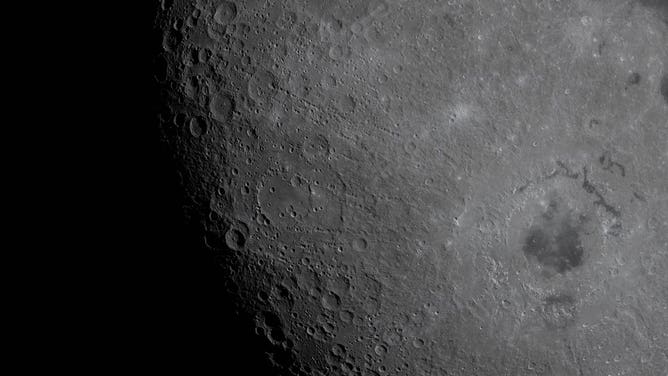
April 6, 2026- Artemiss II crew captures the rings of the Orientala Basin
(@NASAArtemis / X) -
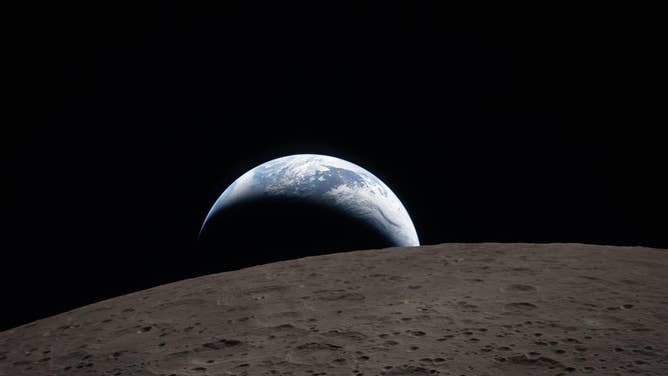
(April 6, 2026) – Earthset captured through the Orion spacecraft window at 6:41 p.m. EDT, April 6, 2026, during the Artemis II crew’s flyby of the Moon. A muted blue Earth with bright white clouds sets behind the cratered lunar surface. The dark portion of Earth is experiencing nighttime. On Earth’s day side, swirling clouds are visible over the Australia and Oceania region. In the foreground, Ohm crater has terraced edges and a flat floor interrupted by central peaks. Central peaks form in complex craters when the lunar surface, liquefied on impact, splashes upwards during the crater’s formation.
(NASA) -
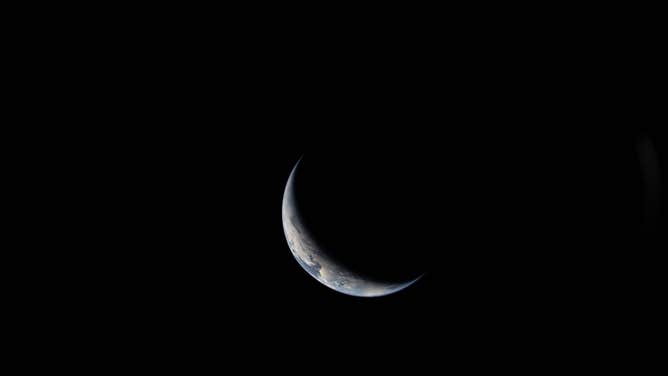
Crescent Earth seen from the Artemis II Orion spacecraft.
( ) -
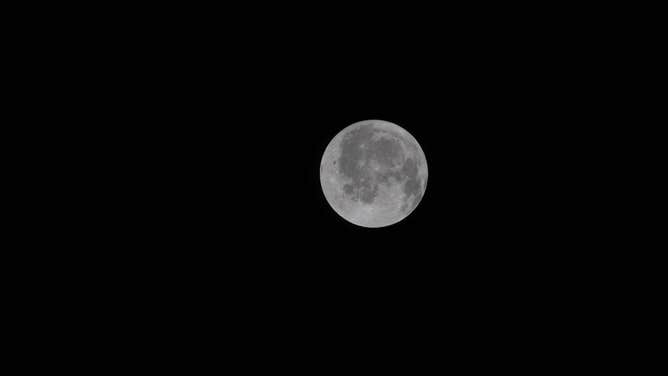
The Moon in the distance seen from the Artemis II Orion spacecraft.
( ) -
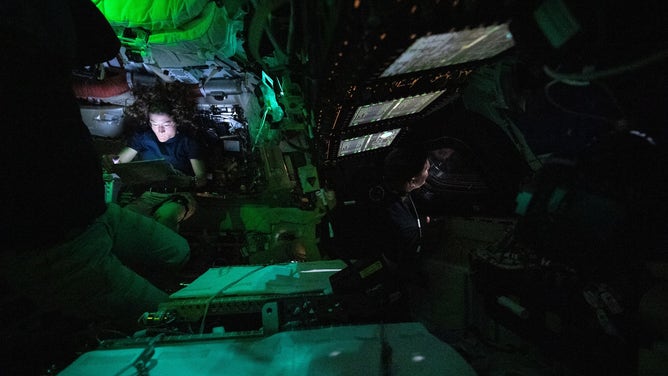
Astronaut Christina Koch is nestled into a corner of the Orion crew capsule, reading. The rest of the capsule is dark, but her face it lit by the glow from her tablet. Two of her other crew members can dimly be seen looking out the window and floating in the foreground.
( ) -
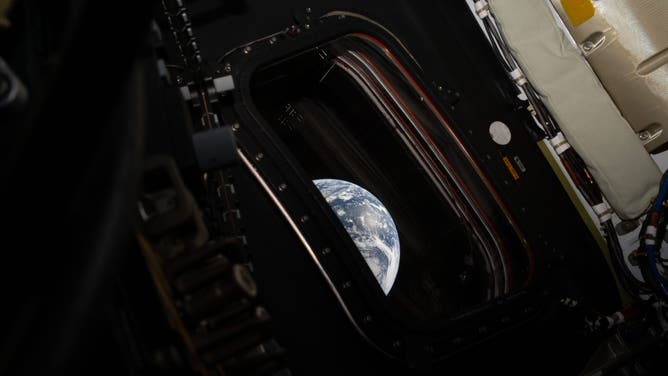
Earth viewed through the window of the Orion spacecraft.
(Reid Wiseman/NASA) -
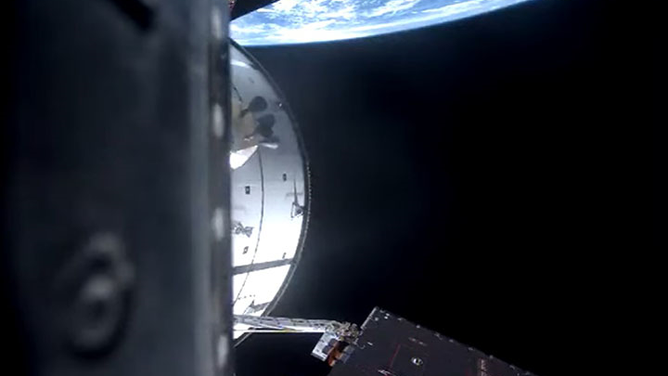
Camera mounted to Orion spacecraft.
(NASA) -
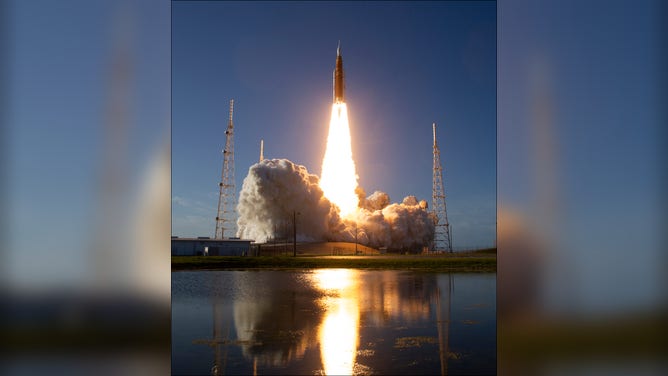
NASA’s Artemis II Space Launch System rocket carrying the Orion spacecraft lifts off from Launch Complex 39B at Kennedy Space Center on April 1, 2026 in Cape Canaveral, Florida.
(@nasahqphoto / X) -
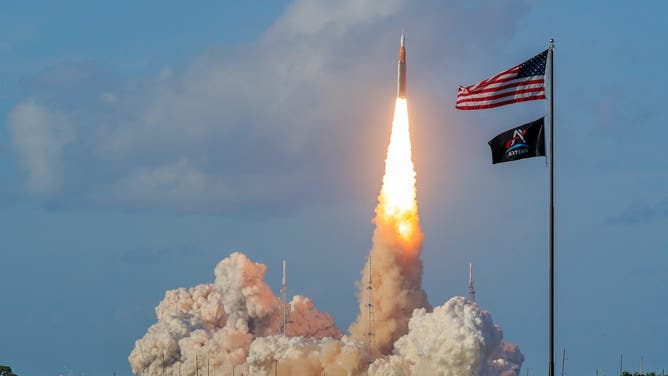
NASA’s Artemis II Space Launch System rocket carrying the Orion spacecraft lifts off from Launch Complex 39B at Kennedy Space Center on April 1, 2026 in Cape Canaveral, Florida.
(Chip Somodevilla/Getty Images) -
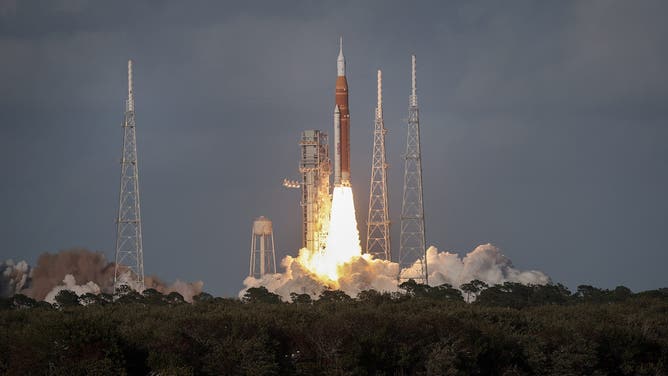
NASA’s Artemis II Space Launch System rocket carrying the Orion spacecraft lifts off from Launch Complex 39B at Kennedy Space Center on April 1, 2026 in Cape Canaveral, Florida.
(Photo by Joe Raedle/Getty Images) -
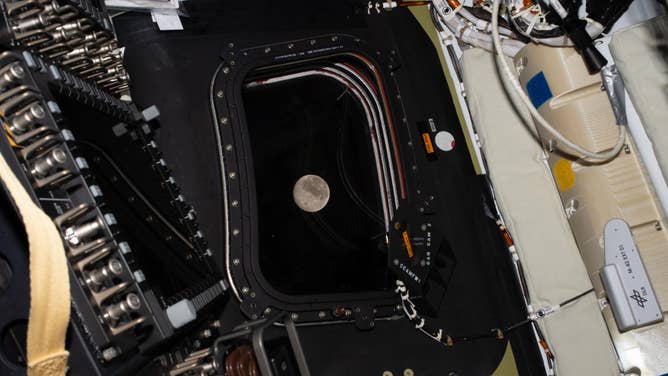
Before going to sleep on flight day 5, the Artemis II crew snapped one more photo of the Moon, as it drew close in the window of the Orion spacecraft. Orion and the four humans aboard entered the lunar sphere of influence at 12:37 a.m. EDT on April 6, at the tail end of the fifth day of their mission. That marked the point at which the Moon’s gravity had a stronger pull on the spacecraft than the Earth’s
(NASA)
The capsule’s high altitude trajectory around the moon enabled the crew to capture unique pictures of the lunar far side.
“From the cabin of Integrity, as we surpass the furthest distance that humans have ever traveled from planet Earth, we do so in honoring the extraordinary efforts and feats of our predecessors in human space exploration,” the crew said after surpassing the record.
ARTEMIS II’S SAFE RETURN HINGES ON ITS HEAT SHIELD – NASA IS CONFIDENT IT’S FIXED
After breaking the record, the crew took a moment to name a few lunar features, noting they were able to see them with their naked eye.
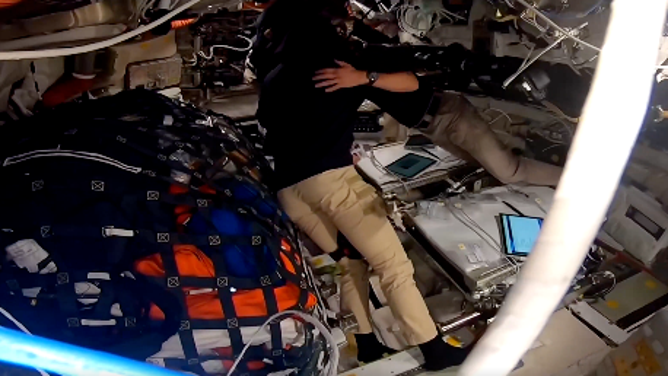
The Artemis II crew embraces in a hug on April 6, 2026.
(NASA / FOX Weather)
With limited window space, the team dove into pairs to make observations, taking 90-minute shifts. This included future CLPS landing site, Reiner Gamma, a bright, mysterious swirl, and Glushko, a bright, 27-mile-wide crater known for the white streaks that shoot out from it for up to 500 miles.
NASA PAUSES GATEWAY LUNAR-ORBIT SPACE STATION TO BUILD LUNAR BASE ON THE MOON
NASA said that the crew reported color nuances, which will help enhance scientific understandings of the moon.
The crew also recommended naming a bright spot on the moon — a lunar crater — in honor of Commander Reid Wiseman’s late wife, Carroll.
The Artemis II crew – NASA Astronaut Victor Glover (far left), CSA (Canadian Space Agency) Astronaut Jeremy Hansen (center left) and NASA Astronauts Christina Koch (center right) Reid Wiseman (right) present Jeremy Hansen with his Gold Wings signifying his first flight into space during Flight Day 5. When astronauts complete their astronaut candidate training, they receive a silver pin. A gold pin is awarded when they finally make it to space.
(NASA / FOX Weather)
NASA lost contact with the Orion capsule for roughly 40 minutes around 6:45 p.m., as Earth disappeared completely behind the moon in a rapid “Earthset” and “Earthrise” phenomenon for the team.
This also marked Artemis II’s closest distance to the moon, 4,070 miles, and when the capsule used the moon’s gravity to “slingshot” into its return course toward home.
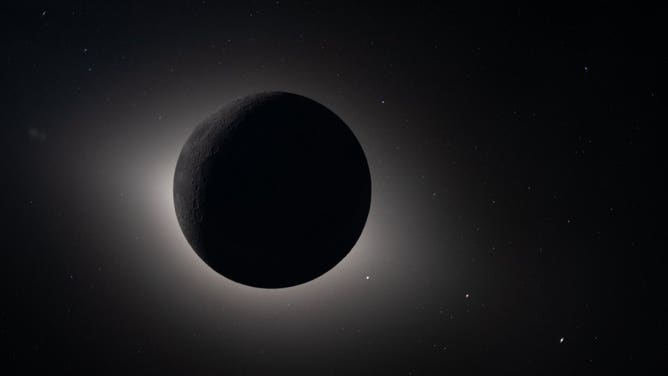
April 6, 2026- The Moon eclipses the Sun, seen by Artemis II
(NASA)
The crew also experienced a unique hour-long solar eclipse as the capsule, the moon and the sun aligned.
After the lunar observation period concluded Monday night, the Artemis II crew was congratulated by President Trump in a live conversation aired by NASA and spoke with NASA Administrator Jared Isaacman.
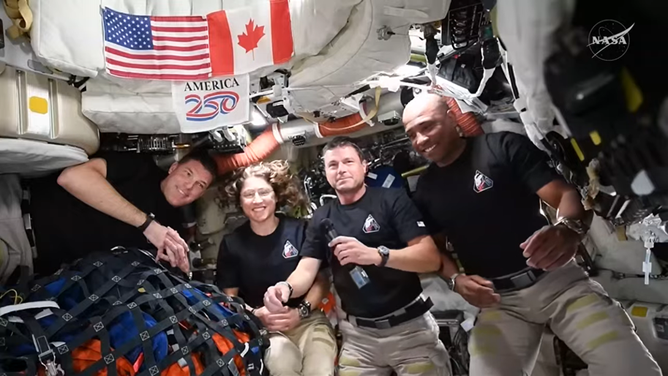
After the lunar observation period concluded Monday night, the Artemis II crew was congratulated by President Trump in a live conversation aired by NASA and spoke with NASA Administrator Jared Isaacman.
(NASA / FOX Weather)
Late Sunday night, the crew caught a historic first glimpse of the Orientale basin, on the moon’s most extreme western side and is nearly impossible to see from Earth.
“This mission marks the first time the entire basin has been seen with human eyes,” NASA said on X.
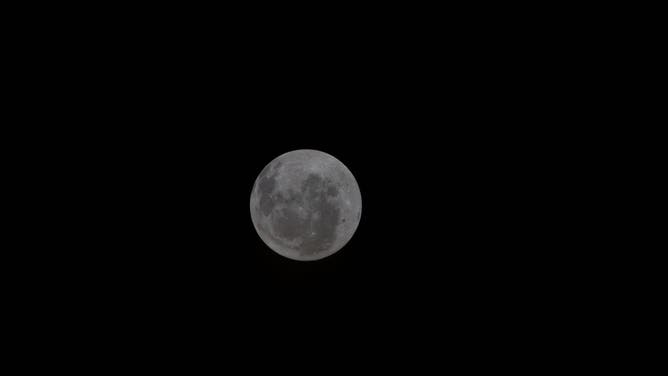
A new image from the Artemis II crew shows the Orientale basin on the right edge of the lunar disk.
(@NASA / X)
After breaking free from Earth’s orbit Thursday, the four-person crew coasted through the void of space on a direct course to the moon, having completed pre-planned, precise course corrections early Friday.
🚀 RECORD BREAKING 🚨: Check out the record-breaking moment the Artemis II mission surpasses the Apollo 13 space team for the farthest distance humans have ever traveled from Earth. Stay with FOX Weather for the very latest on this historic journey.
Throughout the weekend, the crew made final steering nudges to ensure Orion entered the correct orbital slot, guaranteeing the spacecraft would be able to “whip around” the moon.
In preparation for Monday’s flyby, the crew exercised, practiced medical response procedures and tested the spacecraft’s emergency communications system in deep space, NASA said.
The Artemis II crew spoke late Thursday to Trace Gallagher, the host of FOX News @ Night, on their way to the Moon.
The crew spoke to Trace Gallagher, the host of FOX News @ Night, late last Thursday, and was eager to thank their families for their support for the first time since launching.
Commander Wiseman highlighted the incredible achievement of the American space program.
EVERYDAY INNOVATIONS BORN FROM SPACE TRAVEL
“This is unbelievable, that we can put our minds to something and pull it off,” Wiseman said.
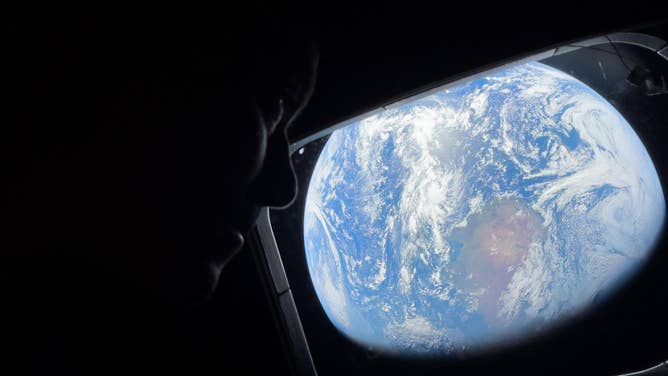
NASA astronaut and Artemis II Commander Reid Wiseman peers out of one of the Orion spacecraft’s main cabin windows, looking back at Earth, as the crew travels towards the moon.
(NASA / FOX Weather)
NASA released the first high-resolution images of Earth from the Orion spacecraft last Friday. These pictures of the African continent were actually taken at night.
Mission Specialist Koch explained how the crew was getting adjusted to living in space, telling Gallagher that she was very comfortable sleeping upside down in zero gravity.

High-resolution photo of Earth viewed from Orion spacecraft.
(NASA/Reid Wiseman / FOX Weather)
Historic launch
The historic flight launched last Wednesday at 6:35:12 p.m. ET from the Kennedy Space Center.

Four astronauts aboard NASA’s Orion spacecraft atop the SLS (Space Launch System) rocket launch on the agency’s Artemis II test flight, Wednesday, April 1 from Launch Complex 39B at NASA’s Kennedy Space Center in Florida.
(NASA/Eric Bordelon / FOX Weather)
A few hours before the mission’s launch window opened, the mission very briefly entered a “No-Go” range, while they addressed a glitch with the Flight Termination System.
After roughly 45 minutes, the mission returned to “Go” and things continued as planned.
FOX Weather Correspondent Brandy Campbell recaps historic Artemis II launch this past Wednesday.
FOX Weather Correspondent Brandy Campbell covered the launch live, describing the atmosphere during the launch as “electric.”
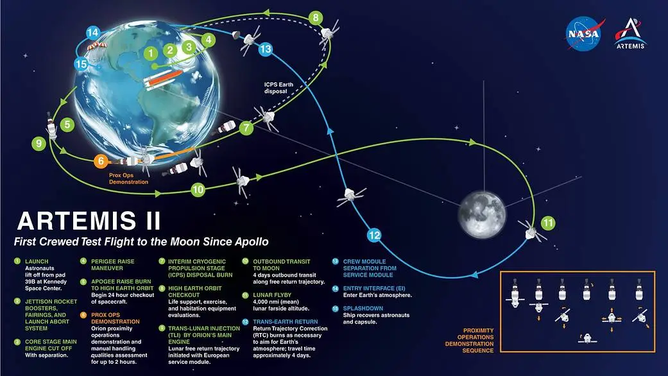
Map of Artemis II mission.
(NASA)
Countdown to splashdown: The return trip home
The crew is set to splash down Friday afternoon in the Pacific Ocean just after 5 p.m.
According to NASA, in order to safely land, winds need to be less than 29 mph and there needs to be no rain within 35 miles, with less than 6-foot waves, to ensure a safe recovery of the crew.
Currently, a cold front could bring storms to the splashdown zone during the expected landing period. Be sure to watch FOX Weather for full Artemis coverage.
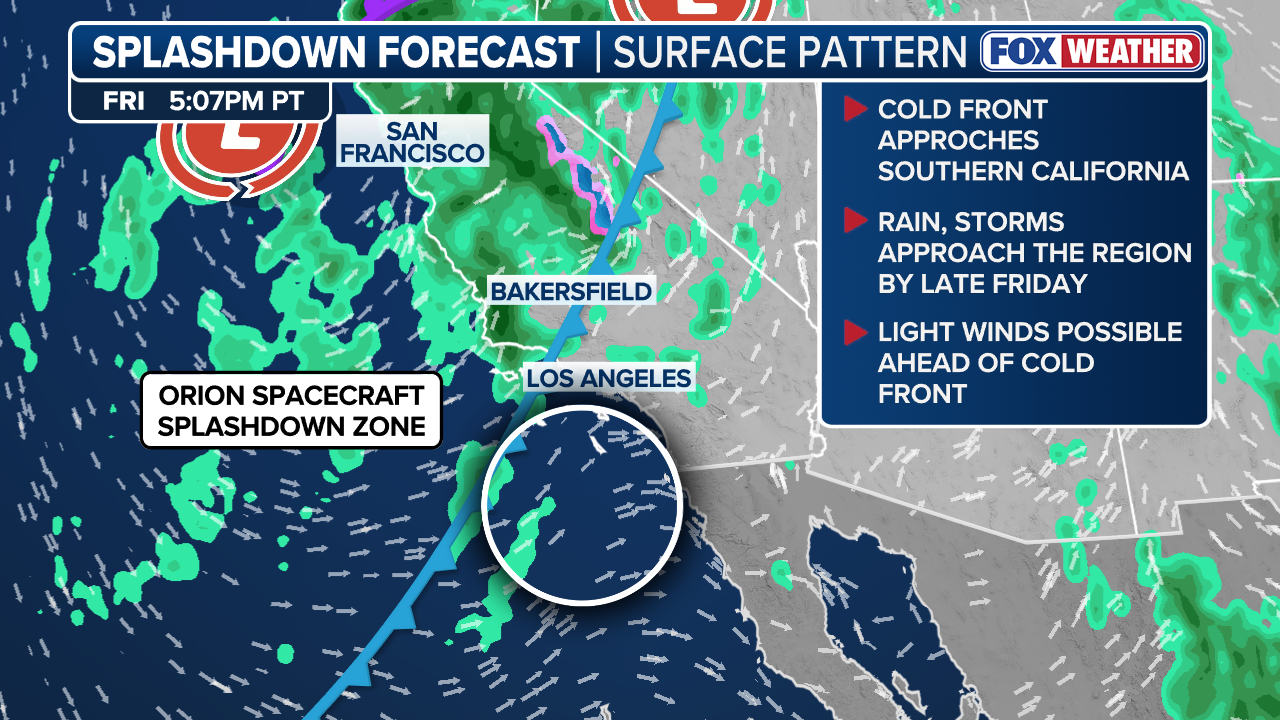
(FOX Weather)
This mission serves as a critical test for the Orion spacecraft and a key building block of the Artemis program, which hopes to establish a long-term lunar base by 2030.