Ex-FBI special agent: This is a huge deterrent for crime
Former FBI Special Agent Nicole Parker and Criminal Defense Attorney Josh Ritter discuss the use of AI-powered license plate readers. Parker notes their utility in law enforcement investigations, citing Miami Beach’s successful implementation. Ritter, referencing the Supreme Court’s “Shattery” ruling on geofencing, expresses concern about mass data collection without warrants.
NEWYou can now listen to Fox News articles!
One minute, you are driving to the grocery store. The next, a camera above the road photographs your car and adds the sighting to a searchable database. You probably will not hear a click or see a flash. In fact, you may never notice the camera mounted on a pole near the intersection.
Automated license plate readers have quietly spread across the country. As of our reporting, the open-source DeFlock map displayed about 119,000 readers across the United States. DeFlock is a community-powered project that maps reported camera locations using public submissions and data from OpenStreetMap. Because the map relies partly on crowdsourced information, it may miss some cameras or include locations that have changed.
Flock Safety cameras account for about 83% of the mapped total. California has the largest number of mapped readers, with more than 16,000. Major clusters appear around Los Angeles and the Bay Area. Police say the cameras help locate stolen cars and vehicles connected to serious crimes.
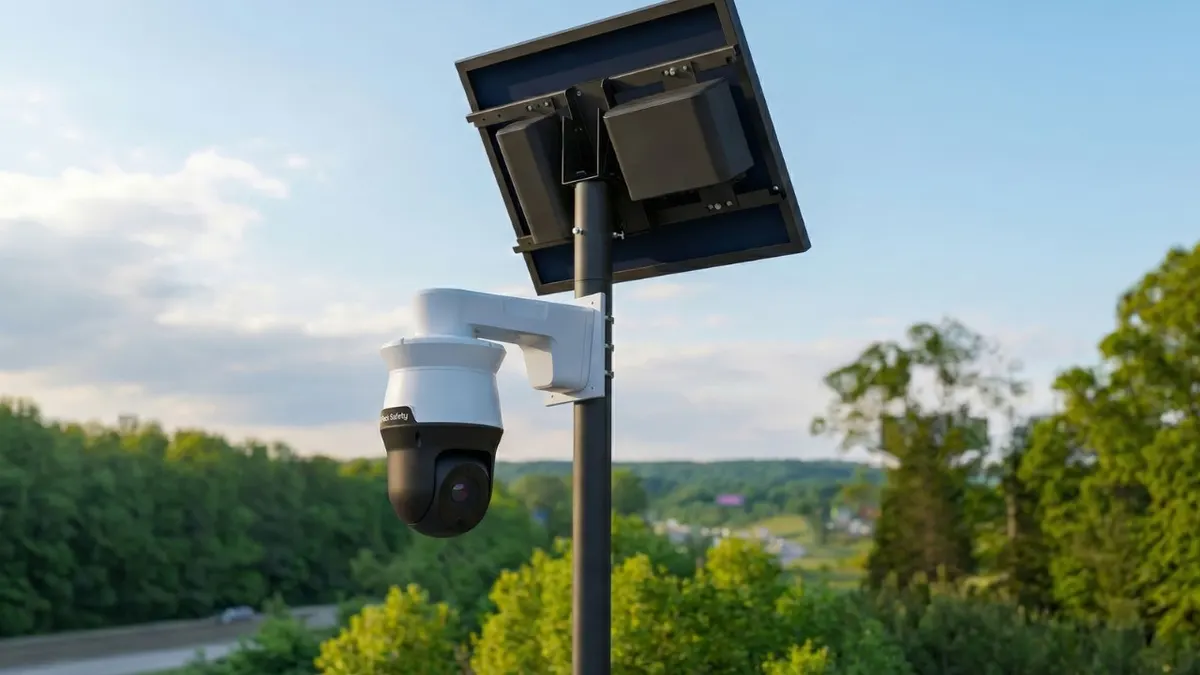
A solar-powered Flock Safety camera shows how roadside surveillance hardware can blend into the landscape while watching vehicles pass. (Flock Safety)
However, privacy advocates warn that the same network can reveal where ordinary people travel throughout the day. Each sighting can include a vehicle’s plate number, appearance, location and the time it passed the camera. Flock says its system can search by plate, vehicle type and visible features.
CyberGuy Live: Missed “Sick of Spam?” Get the replay and checklist
Our free CyberGuy Live class, “Sick of Spam?” has ended, but you can still watch the full replay and download our spam-stopping checklist. Kurt “CyberGuy” Knutsson walks you step by step through simple ways to reduce robocalls, spam texts, junk email and unwanted messages. You’ll also learn how to curb political texts, clean up your inbox and spot messages that could put your personal information at risk.
Get the free replay and checklist now at CyberGuyLive.com.
Why license plate cameras are appearing everywhere
Automated license plate readers, also known as ALPRs or LPRs, have become common tools for police departments. Businesses and homeowners associations can also install them. The rules can vary depending on who owns the camera and who gets access to the data.
The cameras often appear on poles near streets, intersections and neighborhood entrances. Some have solar panels attached to the pole. As a car passes, the camera takes a photograph. Software reads the license plate and turns the image into a searchable record. CyberGuy previously found that license plate cameras are also scanning vehicles at some Home Depot and Lowe’s parking lots.
Flock Safety has become one of the largest vendors in this market. Its cameras connect to a cloud-based system where authorized customers can review vehicle sightings. Unlike red-light cameras, these readers generally focus on identifying vehicles. They typically do not issue traffic tickets. Still, every passing vehicle can enter the database. The driver does not need to face suspicion or have any connection to an investigation.
What license plate cameras capture about your car
A reader begins with your license plate number. However, the record can include much more than the characters printed on the plate. The system records a vehicle’s make and model. It can also note the color and body type.
Visible features may become searchable as well. These can include a roof rack, bumper sticker or missing hubcap. The record also includes the camera location and a timestamp. Together, those details show where the vehicle appeared and when it passed. Flock says its license plate reader system focuses on vehicles rather than faces. The company also says its LPR cameras exclude facial recognition and biometric identification.
Your daily drive can become searchable data
A single camera sighting may reveal little about your day. Several sightings can start to form a pattern. For example, a vehicle that appears near the same house each evening may reveal where someone lives. Another record could show a visit to a medical provider.
A license plate can also connect a car to information held by a state motor vehicle agency. That connection can help investigators identify the registered owner. Authorized personnel can search for a complete plate number. They may also search using a partial plate or vehicle description.
A department looking for a dark SUV with a roof rack could receive several possible matches. Investigators would then need to confirm which vehicle they want. That search ability can save time during an urgent case. Meanwhile, it also gives agencies access to information about drivers who have done nothing wrong.
Where the license plate camera network is growing
California leads the country with more than 16,000 mapped readers, according to an analysis of DeFlock data. Florida followed with 7,169 cameras. Georgia had 7,046. Illinois had 5,822. The concentration becomes clearer when the figures are compared with road mileage. San Francisco County ranked third nationwide with 1,196 cameras per 1,000 road miles. Only New York County and Kings County ranked higher.
In Southern California, Orange County ranked No. 33 nationwide. It had 184 cameras per 1,000 road miles. Los Angeles County ranked No. 59 with 143 cameras per 1,000 miles.
However, DeFlock cannot provide a complete camera inventory. The open-source project relies on public reports and data from other sources. As a result, populated communities may have more markers because more people submit camera locations. Rural areas may appear less covered even when readers exist there. A missing marker cannot guarantee that a road has no camera. Likewise, some mapped locations may need updates after a camera moves or disappears.
How police use license plate camera data
Police departments can place license plates connected to stolen vehicles on a hotlist. They may also add cars linked to active investigations. When a camera detects a matching plate, the system can alert officers. That may help them locate a stolen car or find a missing person’s vehicle. Investigators can also search earlier sightings. Those records may show where a vehicle appeared before or after an incident. However, an automated alert still requires human verification.
A recent LAPD review examined more than 210 million plate scans over two months. The system incorrectly flagged 161 plates as stolen. Yet not every incorrect alert led to a police encounter. During the same period, 337 alerts helped officers recover stolen vehicles. Those results show both the investigative value and the risk of an incorrect match.
Why privacy advocates are raising alarms
License plate readers collect information from millions of vehicles. Most belong to people with no connection to a crime. Privacy advocates say connected camera networks can create a detailed driving history without requiring a warrant. They also worry about access by agencies far from the community that installed the camera.
Those concerns have already affected ordinary drivers. CyberGuy reported on a Colorado woman who was wrongly accused after Flock camera records linked her truck to the area of a porch theft. She had to gather Google Location Timeline data, vehicle camera footage and other evidence to prove where she had been. Police later voided the summons and dropped the case.
California restricts where ALPR data can go
California law limits how local law enforcement agencies share automated license plate reader information. The state prohibits local agencies from giving ALPR data to federal authorities or out-of-state agencies. State officials say the information must remain within California.
However, allegations of improper sharing have raised questions about whether every agency follows those restrictions. California Attorney General Rob Bonta sued the city of El Cajon in October 2025. His office accused the city of sharing ALPR data with more than 100 out-of-state law enforcement agencies.
In January 2026, Bonta asked a court to order the city to stop the sharing. The case remained part of California’s effort to enforce its ALPR privacy laws. The dispute highlights a gap between written policy and technical enforcement. A rule may prohibit sharing, but the system also needs controls that block unauthorized access.
THE SURVEILLANCE CAMERA ON YOUR STREET CORNER: LAWFUL SPYING OR CONSTITUTIONALLY PROBLEMATIC?
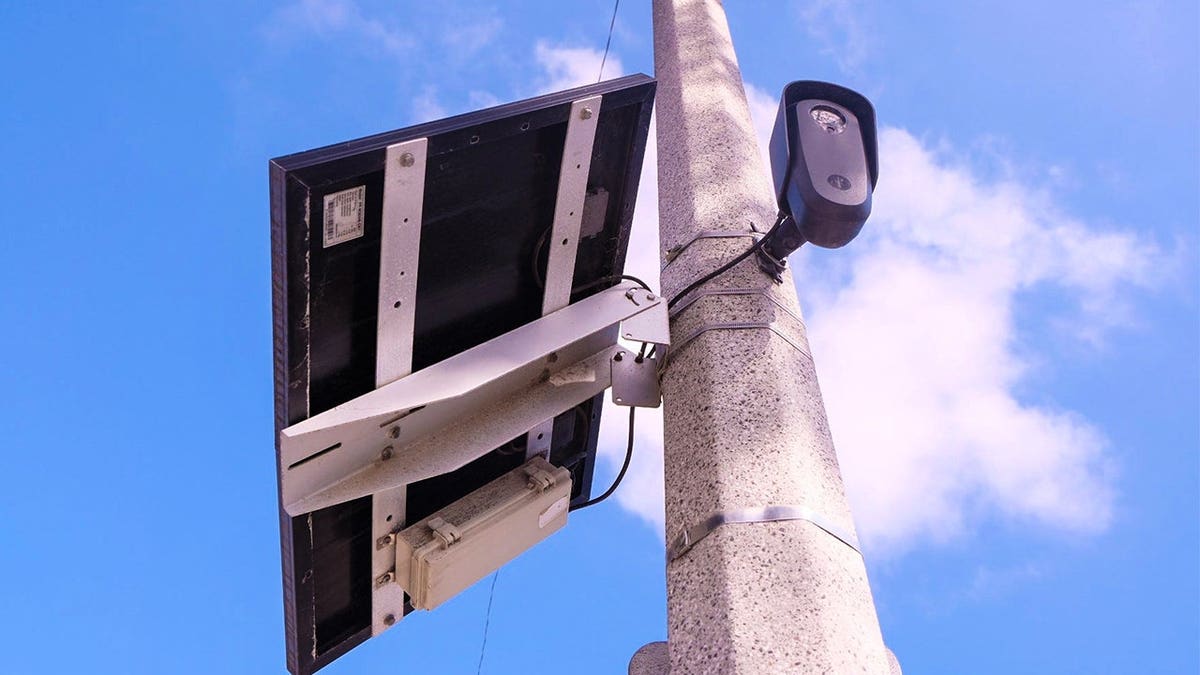
A Flock Safety-branded license plate reader camera site on a lamppost near the intersection of Peacock Drive and Bristol Road in Ventura on Sept. 9, 2025. (Isaiah Murtaugh/The Star/USA Today Network via Imagn Images/Reuters)
LAPD pauses Flock access after agreement expires
The Los Angeles Police Department entered a three-year operating agreement with Flock Safety in 2023. The arrangement covered access to data from 138 pole-mounted cameras across the city. The agreement expired on July 11, 2026. LAPD allowed it to lapse while officials addressed concerns involving data ownership, privacy and security. The department also wanted clearer limits on how Flock could store, share and use information collected by the cameras.
The 138 cameras continued operating after the agreement ended. However, LAPD employees no longer had regular access to the data they collected. That information remained stored in the cloud and could become available to investigators if the city finalizes a new agreement. Police officials began negotiating proposed terms with stronger safeguards. Under those terms, the city would retain ownership of every image, record and piece of metadata captured by the cameras.
Flock would also be prohibited from selling, publishing or sharing the information with outside organizations. In addition, the company could not use the data for commercial purposes or to train artificial intelligence systems. As of our reporting, LAPD and Flock had reportedly not finalized a replacement agreement, and talks are believed to be ongoing.
LAPD Chief Jim McDonnell called the technology a valuable investigative tool. Still, he said the department needed to use it responsibly. The dispute shows how quickly a camera program can raise difficult questions about control and oversight. Those questions become harder to resolve after a large network has already begun collecting information.
What Flock Safety says about driver privacy
Flock rejects claims that its license plate readers continuously track a vehicle. The company says each camera captures a vehicle at one specific location. However, authorized agencies can search separate sightings stored within the system.
Flock says its default retention period lasts 30 days. Customers may choose a different period based on local laws or contract terms. The company also says customers control their information and sharing settings. According to Flock, every search is connected to a specific account and recorded in an activity log.
However, access questions can become more complicated when public-records laws enter the picture. CyberGuy previously reported that a Washington judge ruled Flock license plate reader images can qualify as public records, even when a private company stores the files for a city. The decision did not mean every driver record would automatically become public. However, it showed that using an outside vendor may not remove government surveillance data from state transparency laws.
Flock also says it does not sell customer data or use facial recognition with its LPR cameras. It says automated deletion and annual security audits help confirm that agencies follow their selected retention periods. Those safeguards address part of the privacy debate. Yet their effectiveness depends on how each customer configures the system and reviews employee activity.
What license plate cameras mean for you
You may never receive a notification when a license plate camera records your vehicle. Still, you can learn more about the readers operating around your community.
Start with the DeFlock map
Check DeFlock at deflock.org for reported cameras near your home and regular driving routes. Remember that public submissions help build the map. Therefore, it may contain gaps or outdated locations. Look for cameras mounted high on narrow poles. A nearby solar panel can also signal a roadside reader.
Local policies reveal retention rules
Search your city or police department website for its ALPR policy. The policy may explain how long the department keeps vehicle records. It should also describe the types of investigations that allow a search. Do not assume every agency uses Flock’s 30-day default. Contracts and local rules can set a shorter or longer retention period.
Outside access deserves a closer look
Find out whether other departments can search your community’s camera data. A city may have strict internal rules while sharing access with a much larger network. That wider access can make local safeguards harder to evaluate. Look for an agency transparency portal if one exists. You can also request a list of connected departments from your city.
Watch contracts before cameras multiply
City council agendas often reveal proposed camera purchases before installation begins. Search meeting documents for terms such as “ALPR,” “automated license plate reader” or “Flock Safety.” Contract documents may show how many cameras the city plans to install. They can also explain who will own the records. Public meetings give residents a chance to ask questions before officials approve a larger network.
Find out who checks for misuse
Ask who reviews searches for possible abuse. Audit logs offer limited protection when nobody checks them. You should also find out what happens after an employee violates the policy. Departments should explain whether they suspend access or begin an investigation. Strong consequences can discourage personal searches. They also show whether an agency treats its privacy rules seriously.
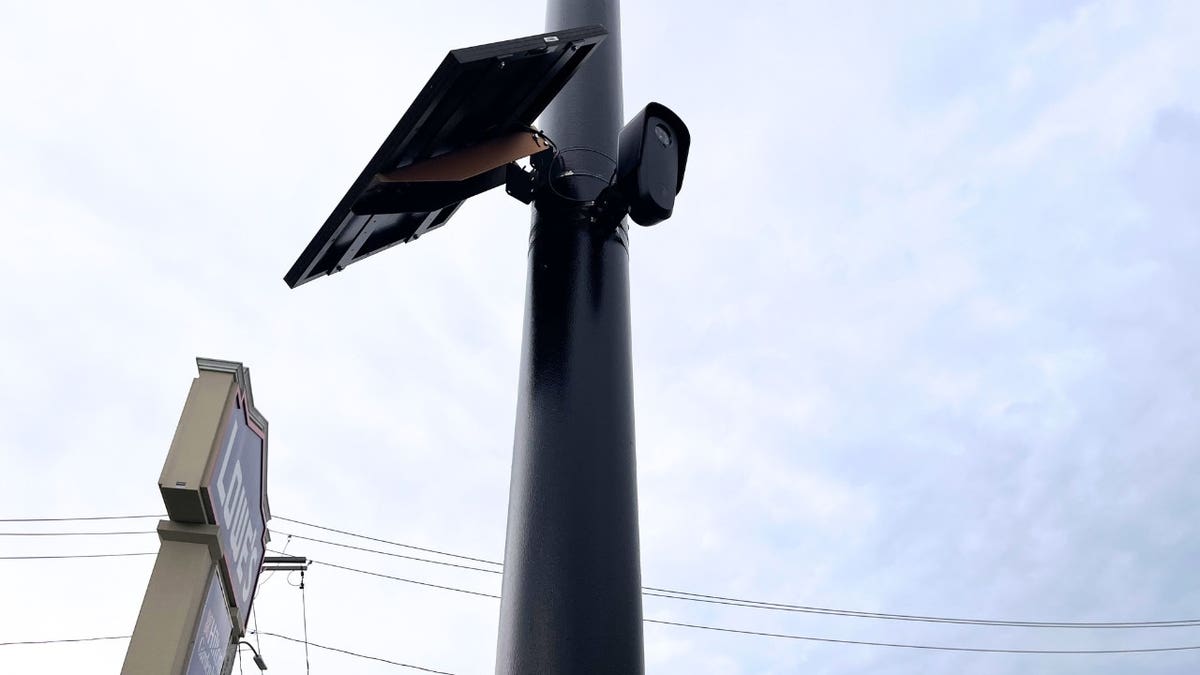
A close-up view shows an automated license plate reader camera mounted at a Lowe’s store in Connecticut, where the technology can capture vehicle plate data as shoppers drive by. (Kurt “CyberGuy” Knutsson)
Kurt’s key takeaways
License plate readers can help police find a stolen vehicle or develop leads after a serious crime. That explains why departments, businesses and homeowners associations continue installing them. Still, these cameras record everyday drivers who have no connection to an investigation. A series of sightings can reveal where you go and when, even though the camera never captures your face. The Colorado case shows what can happen when a camera record points police toward the wrong person. Meanwhile, the Washington ruling raises another concern because some images held for a city may qualify as public records. Flock says customers control their data and can review searches through activity logs. Those protections depend on departments limiting access, checking for misuse and enforcing their own policies. LAPD’s decision to pause access after its agreement expired shows that privacy concerns can slow a major camera program. However, the ongoing talks suggest the technology will remain part of the public safety debate. Before more cameras appear, your community deserves clear answers about who can search the records, how long the data stays available and what happens when someone abuses access.
Would you accept license plate cameras throughout your community if police said they helped solve crimes, or has this type of tracking already gone too far? Let us know by writing to us at CyberGuy.com.
CLICK HERE TO DOWNLOAD THE FOX NEWS APP
Sign up for my FREE CyberGuy Report
- Get my best tech tips, urgent security alerts and exclusive deals delivered straight to your inbox.
- For simple, real-world ways to spot scams early and stay protected, visit CyberGuy.com – trusted by millions who watch CyberGuy on TV daily.
- Plus, you’ll get instant access to my Ultimate Scam Survival Guide free when you join.
Copyright 2026 CyberGuy.com. All rights reserved.