Royal lose-sir
THE future of the monarchy rests firmly on the shoulders of William and Kate.
By far the most popular royals, they face the long and unenviable task of digging the institution out of its worst crisis in modern history.
The heavy burden was evident on their faces as they arrived for the Baftas in London last night.
But their luminous presence and easy charm suggest they are well-equipped to rebuild the Firm’s shattered reputation.
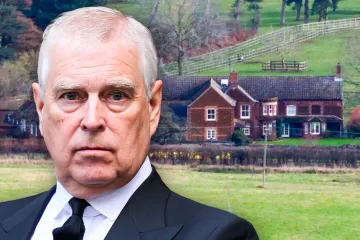
Contrast their affectionate reception with the breathtaking arrogance of Andrew Mountbatten-Windsor.
Even after he suffered the ignominy of being the first royal to be arrested since 1647, his fast-dwindling staff are still being told to call him “Sir”.

It’s an honorific linked to courtesy, respect and plain good manners — all of which the former prince himself has seldom displayed.
Yet he expects his remaining valet and chef to treat him with the total reverence he has so often failed to show others.
Nothing sums up his entitled attitude more than his obvious refusal to accept his VIP lifestyle is over.
He was even screaming privilege when he was kicked out of Royal Lodge, proclaiming: “You can’t do this to me… I’m the Queen’s second son.”
But while his remaining staff may be willing to dance attendance on plain Mr Mountbatten-Windsor, his now fellow commoners no longer hold him in such high esteem.
Eight out of ten people view the Prince and Princess of Wales positively and a similar proportion wants Andrew to be removed from the line of succession.
Perhaps his new social standing will eventually dawn on him.
In his days as a pampered prince, he was able to command respect at every turn.
Now, like the rest of us, he will have to earn it.
Needs battle
CHILDREN with special needs face a constant battle to get the education they deserve.
So a £4billion plan to offer tailored support at every school is a welcome step towards addressing a persistent problem.
But progress could come at a price.
Anxious parents fear the Education Secretary will raise the bar for kids to qualify for legally-guaranteed support.
The 600,000 youngsters who currently have an Education, Health and Care Plan could also face a review when they move from primary to secondary school and again after sitting their GCSEs.
Parents will want to know who will make these decisions and what right they will have to challenge them.
Cutting back on special needs entitlement may save money. But it won’t make those needs disappear.
It’s no use providing a better service if many thousands who need it are left out in the cold.