BRITS suffering from anxiety or depression will be told by therapists that work is good for their mental health, under new plans.
Under a new Government initiative, therapists are being urged to effectively prescribe having a job as a form of treatment, as it attempts to tackle sick note culture.

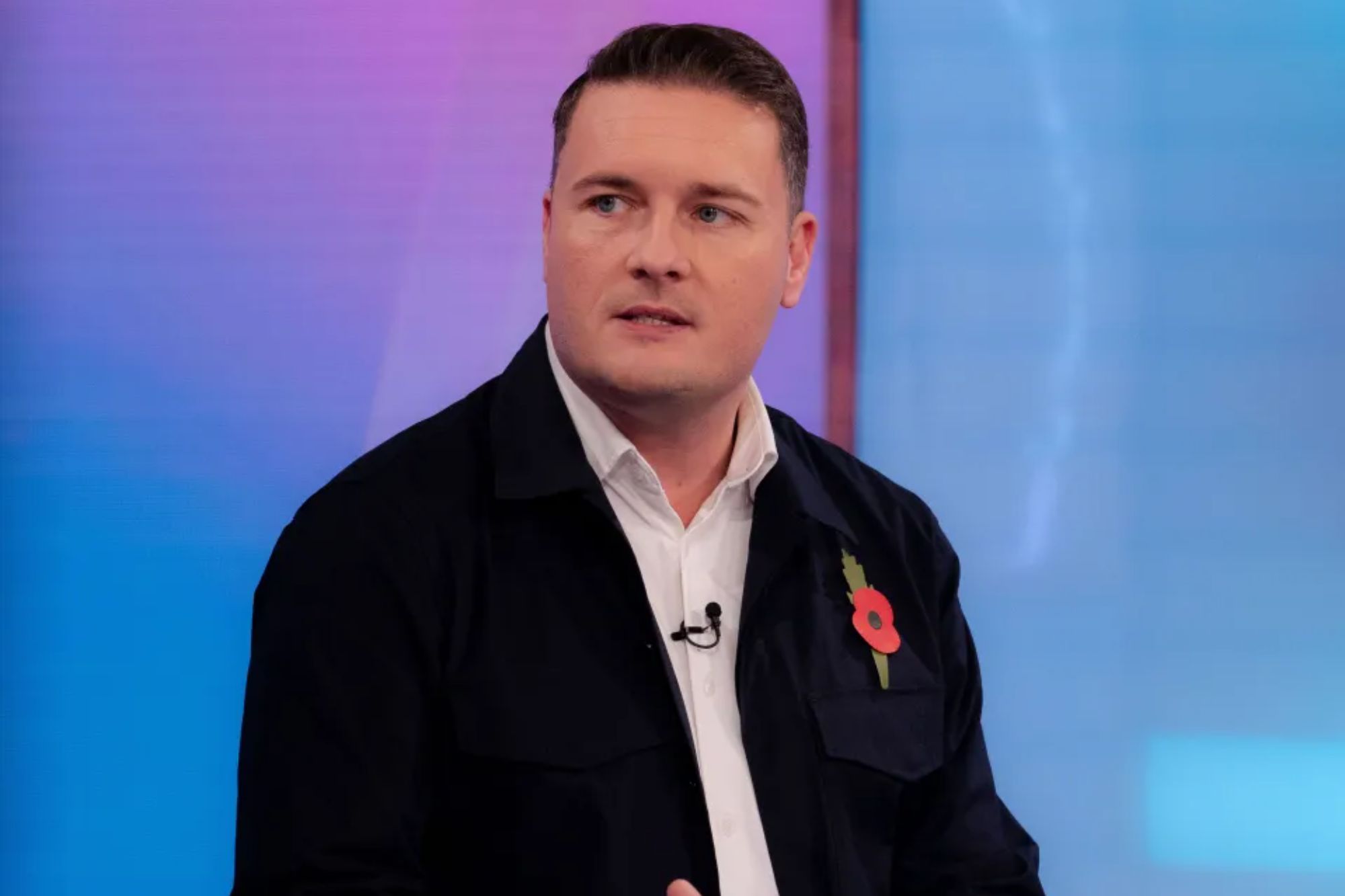
Health Secretary Wes Streeting said the move reflected a shift in attitude to treating employment as being “just as vital” to health as diet and exercise.
Currently, there are more than 2.8million working age people who are economically inactive due to long-term sickness, according to the latest figures.
That’s a rise of 800,000 since just before the pandemic, driven mainly by a sharp rise in sick notes being issued for mental health issues.
If that rate continues, official projections show that the bill for sickness and disability benefits will top £100billion a year by the end of the decade.


Chancellor Rachel Reeves and Prime Minister Keir Starmer are determined to clamp down on the welfare bill even though they were defeated by Labour MPs over plans to cut handouts.
They are now looking at alternative ways to reduce the number of claimants as a way of avoiding another backbench rebellion.
Tensions are simmering away in the party though, with one unnamed Labour MP telling The Telegraph: “Cuts to welfare are quite simply not acceptable given the wholly unjust way inequality is structured in Britain, with so many people living in poverty.”
New guidelines have now been issued to allied health professionals – which include therapists and physiotherapists – on the benefits of work.
They have been told to include discussions about employment and its benefits in their conversations with patients, who could be claiming sickness benefits.
Those professionals are now expected to ask their patients what job they do, how it impacts their health and what would help them stay in employment rather than leave.
While for those who are out of work, they can be asked what job they would like to do and what is stopping them form working as well as what can be done to overcome those obstacles.
Medical professionals will also get statistics about how being on sickness benefits can lead to significantly worse outcomes.
Living in high unemployment areas is linked to higher risk of cardiovascular disease, mental health issues and early death, according to official figures.
While those living in areas with high levels of employment are more likely to have good health and live to an older age.
By spelling out the benefits of work, along with the dangers of quitting, it is hoped it will dissuade people from signing on to benefits.
The guidance says: “We need to ensure people have access to more holistic support, when and where it is needed, to reduce health disparities and avoid the negative health impacts associated with being unemployed.
“This not only benefits individuals, their families and communities, but also supports economic growth, which can be reinvested into public services.”
Mr Streeting told The Telegraph: “Staying in a job you love or finding work that gives you purpose is just as vital to your health as eating well and staying active.
Millions of people are trapped in a system that writes them off instead of supporting them
Health Secretary Wes Streeting
“Millions of people are trapped in a system that writes them off instead of supporting them – this Government is shifting the narrative from ‘you can’t’ to ‘how can we help you?’
“Through this new guidance, we are helping front-line staff get patients the personalised support they need as early as possible, because preventing illness and keeping people in work is central to building an NHS fit for the future, and strengthening our economy.
“Everyone we can help stay in work or return to work isn’t just transforming their own life – they’re contributing to our communities, and building the healthier, more prosperous nation we all want to see.”
Figures show though that a person on welfare benefits due to long-term health can get more money than a worker in a minimum wage job.
It was identified under the previous Conservative administration that a key driver of the trend was that GPs are responsible for signing off the vast majority of sick notes.
GPs though are not usually specialists in conditions such as mental health and so possibly more likely to give patients time off work.
The Tories expanded the rules around sick notes – or as they are officially known as fit notes – so that they can be issued by other professionals, such as therapists, as well.
Despite that move, GPs still account for more than nine in 10 fit notes that are issued.
According to figures issues last week, 93 per cent of the notes issued by doctors say the patient is not fit for work, with just 7 per cent saying they may be able to do so.


That compares with 87 per cent to 13 per cent for occupational therapists and 72 per cent to 28 per cent for physiotherapists.
Those figures suggest that medical specialists are more likely to say that a patent has some ability to carry on working compared to family doctors or nurses.