Thursday, March 5, 2026
No Result
View All Result
LJ News Opinions
  • Home
  • U.S.
  • Politics
  • World News
  • Business
  • Entertainment
  • Sports
  • Technology
  • Health
  • Opinions
  • Home
  • U.S.
  • Politics
  • World News
  • Business
  • Entertainment
  • Sports
  • Technology
  • Health
  • Opinions
No Result
View All Result
LJ News Opinions
No Result
View All Result
Home Opinions

NOAA’s new fleet of tiny ocean robots is helping to study tropical activity

by LJ News Opinions
September 11, 2025
in Opinions
0
Share on FacebookShare on Twitter


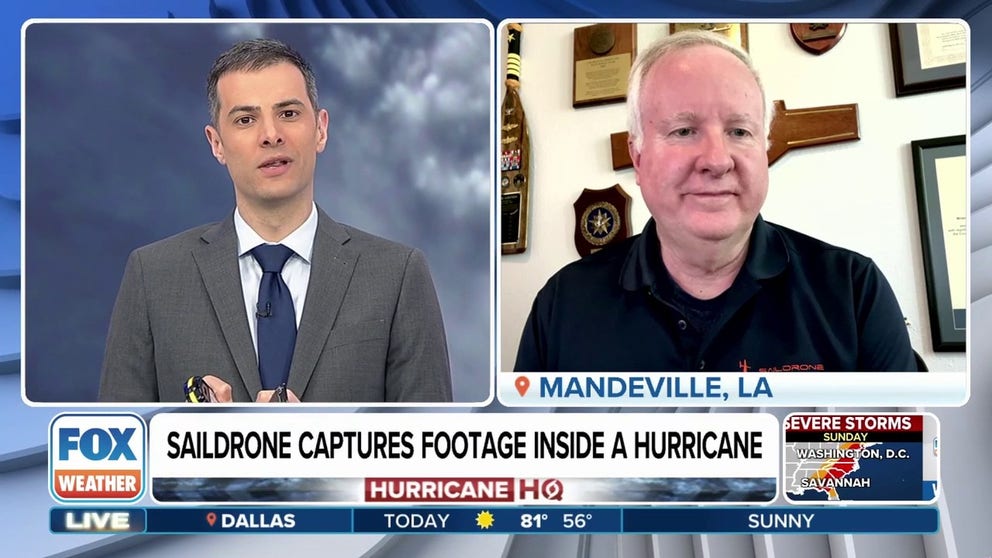
FILE: Saildrones are unmanned surface vehicles used to collect data amid powerful hurricanes. This initiative is done to hopefully use the collected data/mapping to be used towards forecasting.

MIAMI – NOAA has five new helpers in the Atlantic as the statistical peak of hurricane season happens, even with the ongoing lull in activity.

The extra data from five small uncrewed surface vehicles (USVs) by UK-based robotics company Oshen called C-Stars is welcome. NOAA partnered with the University of Mississippi and Oshen to launch the robots in the Atlantic Ocean off the U.S. Virgin Islands on Aug. 31. 
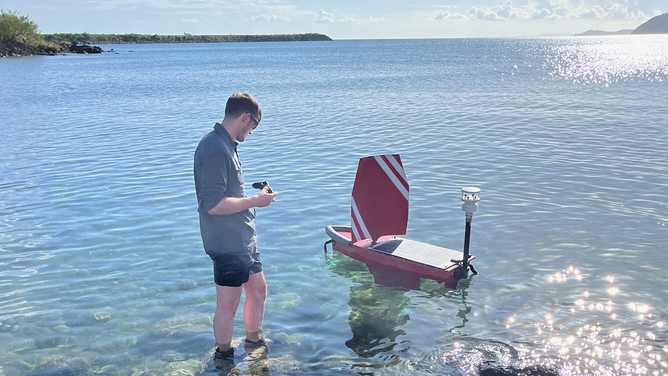
A Oshen C-Star performs its final tests near shore before being deployed.

A Oshen C-Star performs its final tests near shore before being deployed.

(Oshen / NOAA)

The C-Stars look like small, 4-foot-long sailboats and can operate individually or in fleets with two more available in storage for NOAA. C-Stars gather real-time data that can help improve hurricane forecasting, including wind speed, direction, sea surface temperature, air temperature and pressure. The data comes in via satellite to forecasters and scientists. 

C-Stars have already operated in the U.S. and Europe, gathering ocean weather and climate data and monitoring marine mammals, but hurricanes are a new objective for these small remotely-operated robots.

HOW TO WATCH FOX WEATHER

“Although C-Stars have navigated storms with towering 24-foot waves, hurricanes are a whole new level of challenge — but if it works, the long-term potential is huge,” Oshen CEO Anahita Laverack said. “We believe that these new, small USVs can move the needle in how we observe and understand hurricanes, while keeping budgets under control.”

Oshen will remotely operate the C-Star fleet through October. Once the C-Stars are recovered in two months, additional video and high-resolution images will be available.

This latest uncrewed mission for NOAA is part of a series of ongoing systems the agency is using to collect weather and ocean data, including the ongoing partnership with Saildrones, deployed to chase down storms in the tropical Atlantic Ocean and Gulf of America.

Hurricane season runs until Nov. 30.


Source link

LJ News Opinions

LJ News Opinions

Next Post

Savannah Chrisley says she was set to join Charlie Kirk on his tour as she shares 'heartbreak' over his death

Recommended

Oreshnik ballistic missile fired in fresh strikes on Ukraine

2 months ago

TABC finalizes rules for consumable hemp industry in Texas

1 month ago

Popular News

    Connect with us

    LJ News Opinions

    Welcome to LJ News Opinions, where breaking news stories have captivated us for over 20 years.
    Join us in this journey of sharing points of view about the news – read, react, engage, and unleash your opinion!

    Category

    • Business
    • Entertainment
    • Health
    • Opinions
    • Politics
    • Sports
    • Technology
    • U.S.
    • World News

    Site links

    • Home
    • About us
    • Contact

    Legal Pages

    • Privacy Policy
    • Cookie Privacy Policy
    • Terms of Use
    • Disclaimer
    • California Consumer Privacy Act (CCPA)
    • DMCA
    • About us
    • Advertise
    • Contact

    © 2024, All rights reserved.

    No Result
    View All Result
    • Home
    • U.S.
    • Politics
    • World News
    • Business
    • Entertainment
    • Sports
    • Technology
    • Health
    • Opinions

    © 2024, All rights reserved.