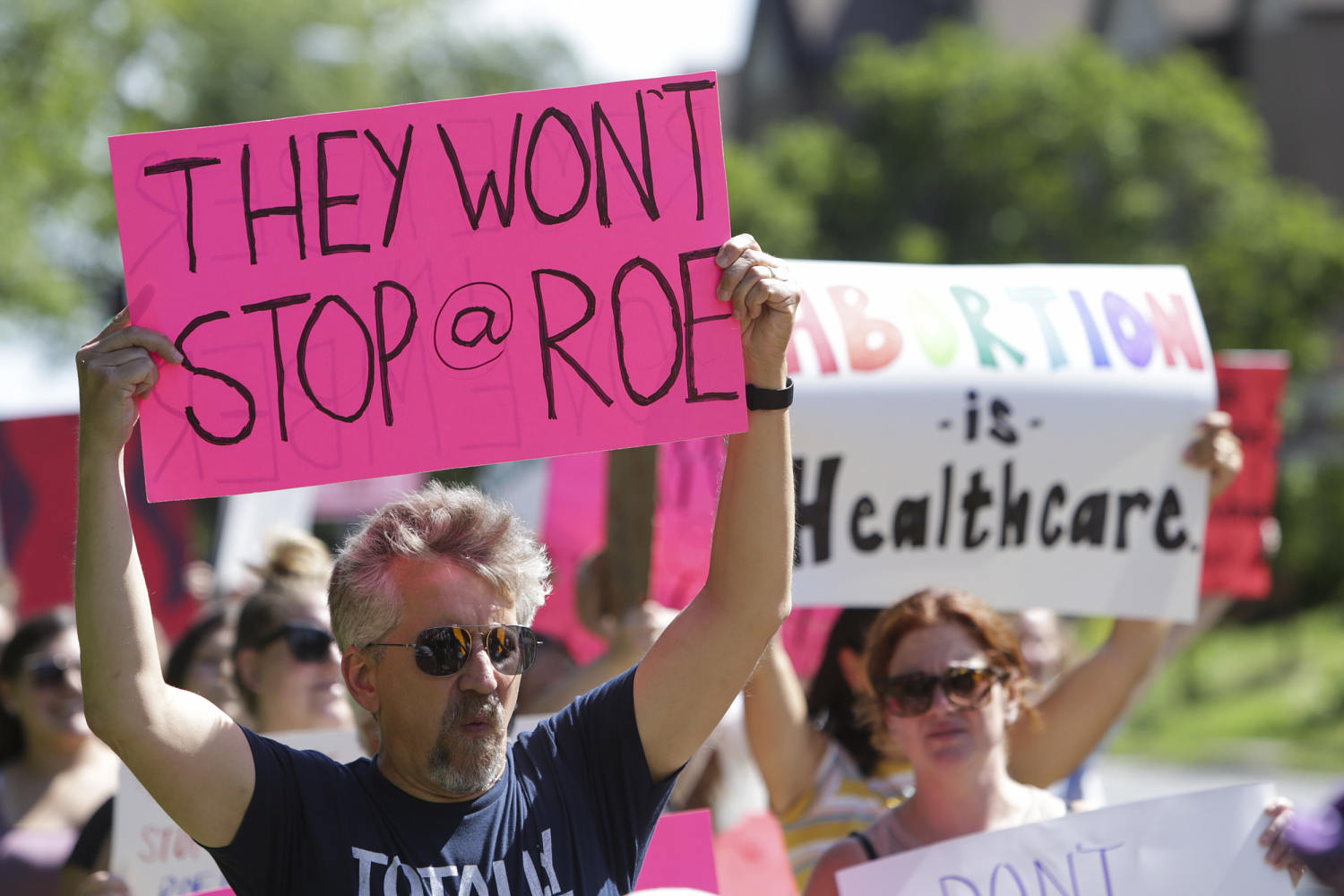
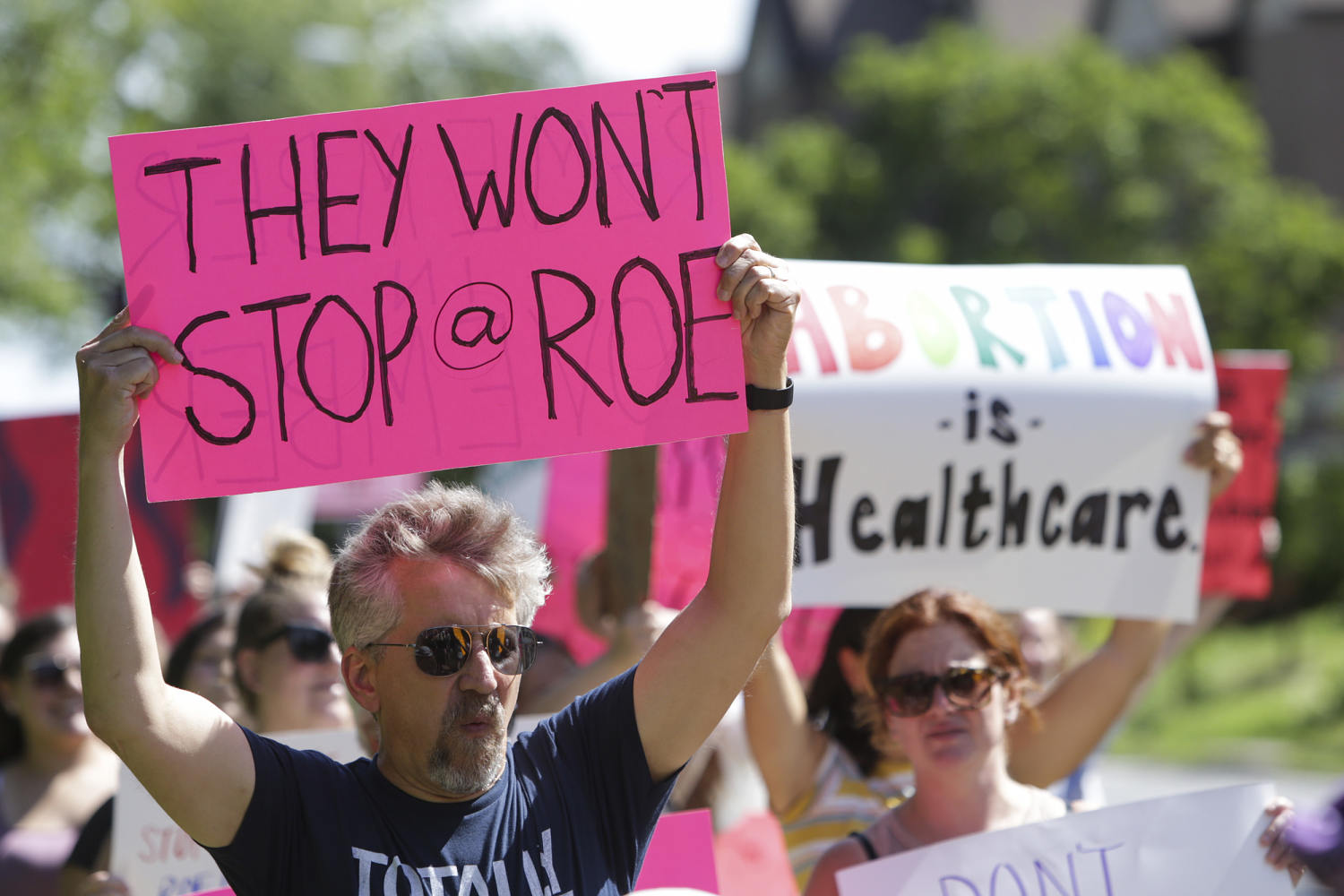
Iowa’s strict abortion law went into effect Monday, immediately prohibiting most abortions after about six weeks of pregnancy, before many women know they are pregnant.
Iowa’s Republican leaders have been seeking the law for years and gained momentum after the U.S. Supreme Court overturned Roe v. Wade in 2022. The Iowa Supreme Court also issued a ruling that year saying there was no constitutional right to abortion in the state.
“There is no right more sacred than life,” Republican Gov. Kim Reynolds said in June. “I’m glad that the Iowa Supreme Court has upheld the will of the people of Iowa.”
Now, across the country, four states ban abortions after about six weeks of pregnancy, and 14 states have near-total bans at all stages of pregnancy.
Iowa’s abortion providers have been fighting the new law but still preparing for it, shoring up abortion access in neighboring states and drawing on the lessons learned where bans went into effect more swiftly.
They have said they will continue to operate in Iowa in compliance with the new law, but Sarah Traxler, Planned Parenthood North Central States’ chief medical officer, called it a “devastating and dark” moment in state history.
The law was passed by the Republican-controlled Legislature in a special session last year, but a legal challenge was immediately filed by the American Civil Liberties Union of Iowa, Planned Parenthood North Central States and the Emma Goldman Clinic. The law was in effect for just a few days before a district judge temporarily blocked it, a decision Gov. Kim Reynolds appealed to the state’s high court.
The Iowa Supreme Court’s 4-3 ruling in June reiterated that there is no constitutional right to an abortion in the state and ordered the hold be lifted. A district court judge last week said the hold would be lifted Monday morning.
The law prohibits abortions after cardiac activity can be detected, which is roughly at six weeks. There are limited exceptions in cases of rape, incest, fetal abnormality or when the life of the mother is in danger. Previously, abortion in Iowa was legal up to 20 weeks of pregnancy.
The state’s medical board defined standards of practice for adhering to the law earlier this year, though the rules do not outline disciplinary action or how the board would determine noncompliance.
Three abortion clinics in two Iowa cities offer in-person abortion procedures and will continue to do so before cardiac activity is detected, according to representatives from Planned Parenthood and Emma Goldman.
A law based on cardiac activity is “tricky,” said Traxler, of Planned Parenthood. Since six weeks is approximate, “we don’t necessarily have plans to cut people off at a certain gestational age,” she said.
For over a year, the region’s Planned Parenthood also has been making investments within and outside of Iowa to prepare for the restrictions. Like in other regions, it has dedicated staff to work the phones, helping people find appointments, connect with other providers, arrange travel plans or financial assistance.
It also is remodeling its center in Omaha, Nebraska, just over the state line and newly offers medication abortion in Mankato, Minnesota, about an hour’s drive from Iowa.
But providers fear the drastic change in access will exacerbate health inequalities for Iowa’s women of color and residents from low-income households.
Across the country, the status of abortion has changed constantly since the Supreme Court’s decision in Dobbs v. Jackson Women’s Health Organization, with trigger laws immediately going into effect, states passing new restrictions or expansions of access and court battles putting those on hold.
In states with restrictions, the main abortion options are getting pills via telehealth or underground networks and traveling, vastly driving up demand in states with more access.