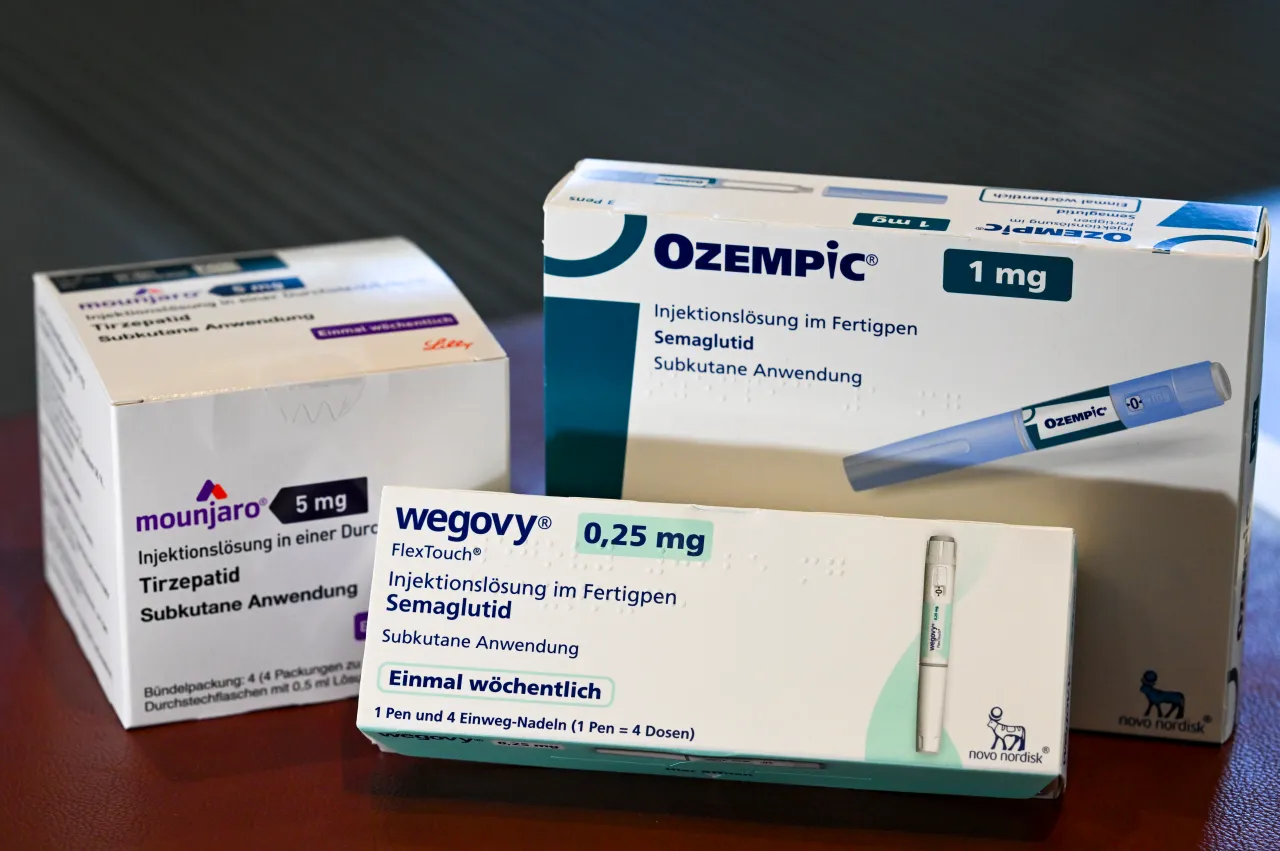
(NewsNation) — As weight loss drugs become increasingly popular, thousands of patients have filed lawsuits against the companies behind GLP-1 medications, alleging severe health effects.
Since 2023, roughly 4,400 patients have filed lawsuits against weight loss drugmakers — including Novo Nordisk, which makes Ozempic and Wegovy, and Eli Lilly, which produces Mounjaro, Zepbound and Trulicity — according to USA Today.
The plaintiffs, who range in age from 18 to 87, have pointed to severe, undisclosed side effects, including blindness, loss of brain function and organ damage. About 75% of plaintiffs say they have been left with gastroparesis, a condition that delays stomach emptying, while another 8% report extreme gastrointestinal injuries.
GLP-1s are intended to help patients lose weight, but doctors have observed additional benefits, such as blood sugar level control, lower blood pressure, improved cholesterol levels and a reduced risk for heart disease and Type 2 diabetes.
Listed side effects include vomiting, stomach pain, constipation and nausea, as patients adjust to the medication. Diarrhea is experienced by about 8% of patients taking Ozempic, according to RightPatient.com, and it usually occurs alongside vomiting when treatment starts or dosage is increased by a doctor or health care provider.
GLP-1 patients not adequately warned about weight loss drug risks: Attorney
Jonathan Orent, an attorney representing some of the plaintiffs, told “Morning in America” that drugmakers aren’t adequately warning doctors and patients of possible dangers.
“We’ve got folks that have died from various bowel conditions,” he said. “So some really, really serious things that we don’t think are adequately warned of, and it’s a really dark side of what’s touted as a miracle drug.”
Orent noted that European warning labels also include information about the risk of blindness. He said drugmakers have failed to sufficiently inform doctors in the United States about the full risk-benefit profile of GLP-1s, limiting physicians’ ability to discuss those risks with their patients.
“This is about having individual patients be able to have the discussion with their doctor and have a choice because, without information, there is no choice,” he said. “We think that the American public should get the exact same warnings the folks in Europe are.”
Drugmakers push back on claim of hidden dangers of GLP-1s
Orent said attorneys are reviewing large amounts of data and studies to identify correlations. But as lawsuits are filed, companies have pushed back strongly.
“Patient safety is top priority,” Eli Lilly told NewsNation. “Labels include robust, FDA-approved warnings, and have always warned of potential gastrointestinal adverse reactions, sometimes severe.”
In a previous court filing, Novo Nordisk echoed that statement and cited hundreds of clinical trials regarding GLP-1s.