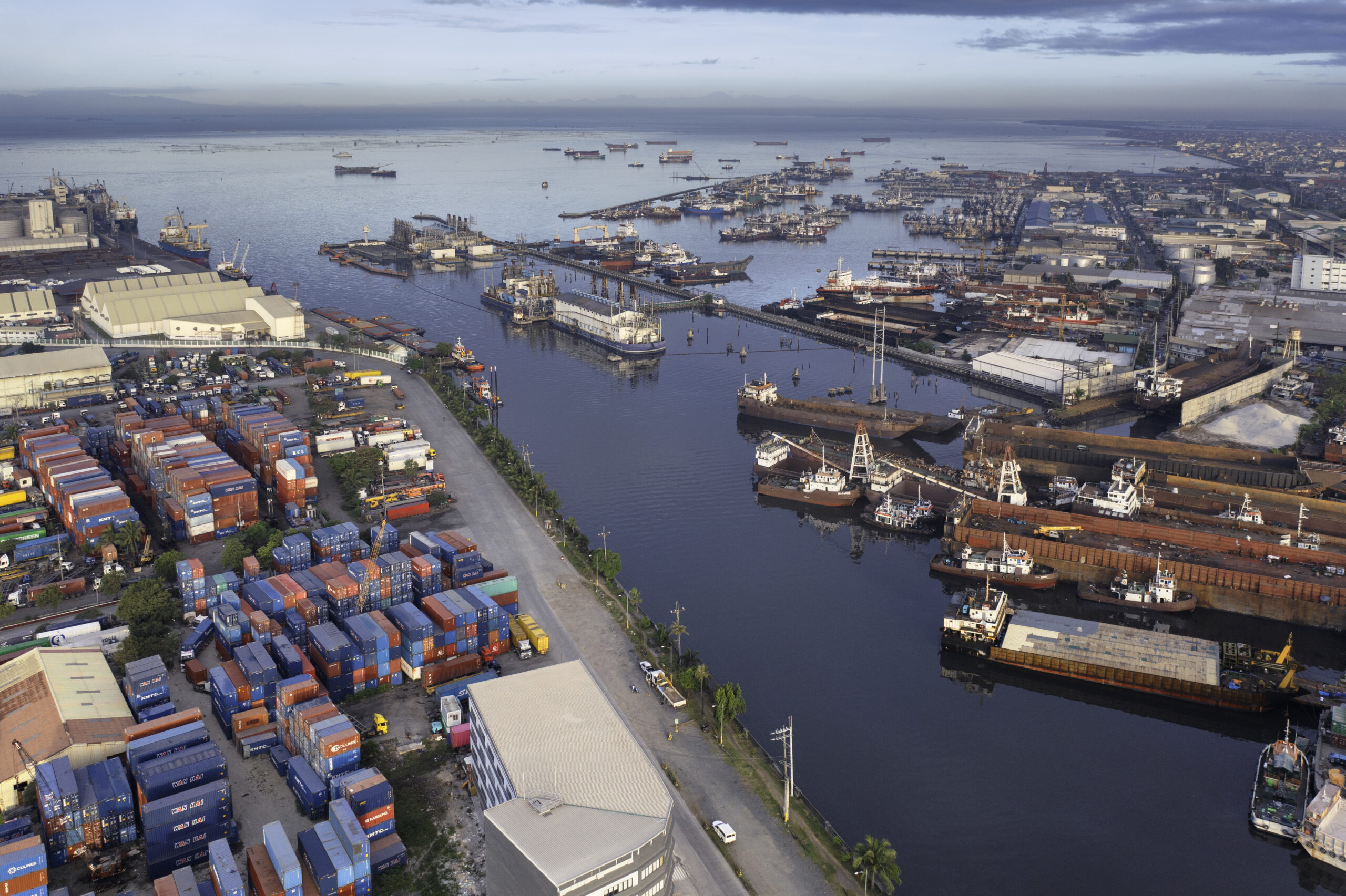
A SHIP carrying 23 containers of radioactive zinc has been stranded off the coast of the Philippines after being turned away by local authorities.
The vessel, which arrived from Indonesia several days ago, remains at sea because no site in the country is willing to accept the hazardous cargo for temporary storage or disposal.
According to Carlo Arcilla, director of the Philippine Nuclear Research Institute (PNRI), port authorities in Manila will not permit the ship to offload its containers unless a local government agrees to take custody of them.
Arcilla said the material poses no immediate threat to the public, explaining that “there’s very little radiation outside the containers” and that “the crew aren’t sick.”
The shipment consists of zinc powder contaminated with the radioactive isotope cesium-137.
It was exported from the Philippines to Indonesia by Zannwann International Trading Corporation, a Chinese trading company with offices in Manila.
Indonesian officials detected radiation in the cargo and ordered it returned to the Philippines.
The PNRI traced the zinc dust to SteelAsia Manufacturing Corporation, the country’s largest steel producer, and another local steel firm.
Tests revealed radioactivity only at SteelAsia’s scrap recycling plant in Batangas province, south of Manila.
SteelAsia, however, has denied any involvement, saying “the containers did not originate from SteelAsia.”
The company said it lacks the technical capability and facilities to handle radioactive waste, adding that “all scrap metals purchased for melting and production are tested for radioactivity, and none had ever tested positive.”
The company also noted that its radiation monitoring equipment is regularly calibrated.
Despite maintaining that it had no role in the contamination, SteelAsia has suspended operations at its Batangas plant “out of caution.”
Cesium-137 is a man-made radioactive isotope used in medical devices and industrial gauges.
It is also a by-product of nuclear fission in reactors and weapons testing.
Prolonged exposure to the isotope can increase the risk of cancer, according to the U.S. Centers for Disease Control and Prevention.
Indonesia has been on alert for radioactive contamination since September, when cesium-137 was discovered at a metal-processing hub in West Java that supplies materials for construction and manufacturing.
The finding prompted Indonesia to halt imports of scrap metal in October.
A separate investigation by the U.S. Food and Drug Administration in August found trace amounts of cesium-137 in frozen prawn shipments, leading to recalls by several companies, including Walmart.
Arcilla said the immediate priority for Philippine authorities is to locate a suitable site where the 23 containers can be safely stored or permanently entombed.
The government is also working to remove any radioactive material that may remain in SteelAsia’s Batangas facility and in Zannwann’s warehouse, which he said could be “substantial.”
He added that there had been no incidents of radioactivity detected in previous shipments from Zannwann and that he could not confirm whether the latest case was linked to the contamination discovered in Indonesia.
SteelAsia’s chief operating officer, Rafael Hidalgo, said the PNRI informed the company in a letter dated October 21 that tests conducted earlier in the month showed cesium-137 contamination at its plant.


“But we contest that,” Hidalgo said.
An inter-agency committee comprising the departments of interior and local government, environment, defence, and health is now investigating the case.