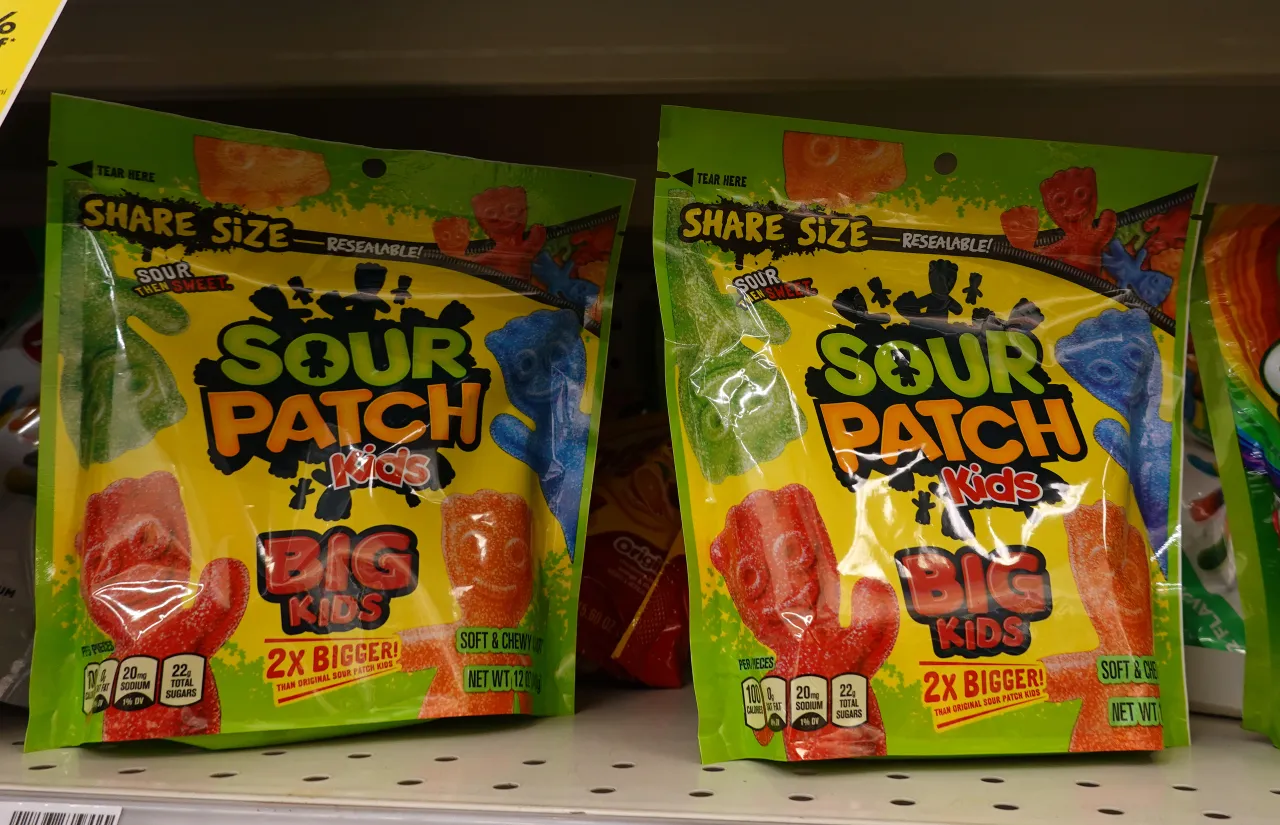
(NewsNation) — A Florida investigation into 46 types of candy revealed that over half contain elevated levels of arsenic, officials said Monday.
Out of 46 varieties of candy from 10 companies tested by the Florida Department of Health, 28 contained arsenic, “prompting further evaluation of potential exposure risks, particularly for children,” the administration of Florida Gov. Ron DeSantis announced.
“Food is an essential part of life, and we need it to be as safe and nutritious as possible,” Florida Surgeon General Dr. Joseph A. Ladapo said in a statement. “We believe that evaluating risks and communicating our findings to the public are essentially steps for driving the change we seek in the food industry and improving the health of Floridians.”
The investigation into candy follows FDOH testing earlier this month that revealed several infant formulas contain heavy metals or chemicals, as reported by NewsNation affiliate WFLA in Florida.
What types of candy contain arsenic?
Some of the most popular varieties of candy that FDOH found to include arsenic include:
- Sour Patch Kids
- Trolli Sour Bite Crawlers
- Twizzlers
- Laffy Taffy Banana
- Nerds Gummy Cluster
- Jolly Rancher Hard Candy Sour Apple and Strawberry
For a full list, visit the state’s Exposing Food Toxins website.
The officials pointed to one example showing that more than six Jolly Rancher hard candies exceed the annual safe arsenic consumption limit for children. The FDOH found that more than 96 pieces of Nerds candy exceed the amount of arsenic a child can safely consume in a year.
‘Florida has chosen sound bites over science’
In response to the FDOH findings, the National Confectioners Association issued a statement calling out Florida for ignoring the FDA’s Closer to Zero initiative, which “was created to reduce dietary exposure to naturally occurring elements,” and instead publishing “unsourced materials that amount to little more than a scare tactic.”
“Chocolate and candy are safe to eat and can be enjoyed as treats, as they have been for centuries. The recent announcement from the State of Florida is misguided and demonstrates a glaring lack of transparency related to data-driven, scientific safety thresholds and the evaluation of confectionery products. It will result in confusion among consumers, regulators, and lawmakers. Alternatively, the FDA’sCloser to Zero Initiative was created to reduce dietary exposure to naturally occurring elements (such as arsenic), and is currently working on arsenic action levels for foods consumed by children. Florida has chosen sound bites over science — ignoring this science-based program in favor of publishing unsourced materials that amount to little more than a scare tactic. Food safety and product quality remain our highest priorities, and we remain dedicated to being transparent and socially responsible — and we follow the science,” the NCA wrote.
NewsNation affiliate WFLA contributed to this report.