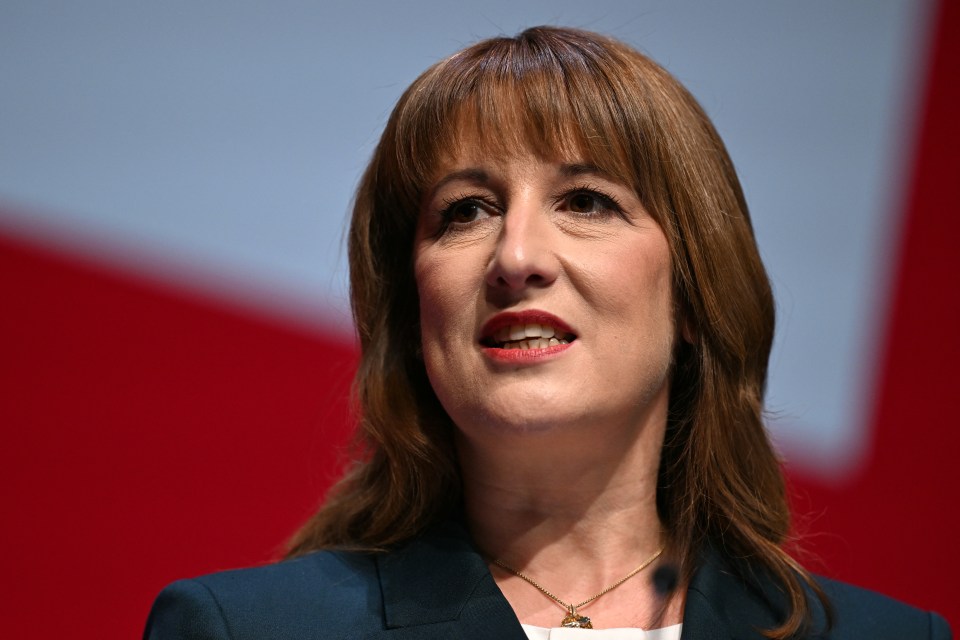
MINISTERS have been urged to link the state pension ‘triple lock’ to earnings as it currently favours the better-off.
The measure disproportionately benefits the well-off and also creates unpredictability in the public finances, leading economists say.
The huge sums needed to pay for the measure come as Chancellor Rachel Reeves needs to find up to £30 billion to plug the nation’s finances.
The triple lock ensures that the state pension goes up in line with the higher rate of average earnings, inflation or 2.5 per cent.
The inflation rate for September will be published tomorrow but is likely to be lower than earnings figure. The higher figure will be used for the increase next April.
But the increase this year is expected to be in line with earnings which is 4.8 per cent, with the new state pension coming in at £241 per week.


The Institute for Fiscal Studies says the triple lock should be linked to earnings over the long run.
Pension costs are now £12 billion higher than it would have been if it had been linked to just earnings since 2011.
The think tank says Australia adopts the earnings measure for increasing their pension rate each year.
Heidi Karjalainen, Senior Research Economist at IFS, “Spending on the state pension is expected to rise by around £80 billion in today’s terms by the 2070s.
“More than half of this increase is projected to come from the triple lock, but because the triple lock ratchets up the value of the state pension in a very unpredictable way, that figure could actually be much higher.
“Maintaining the triple lock over the long term will have to mean either higher taxes and/or lower spending elsewhere.
“And this spending pressure would, if left unchecked, come on top of increasing pressure for more spending on health and social care”.
The government has said it’s committed to the triple lock for the duration of this Parliament.