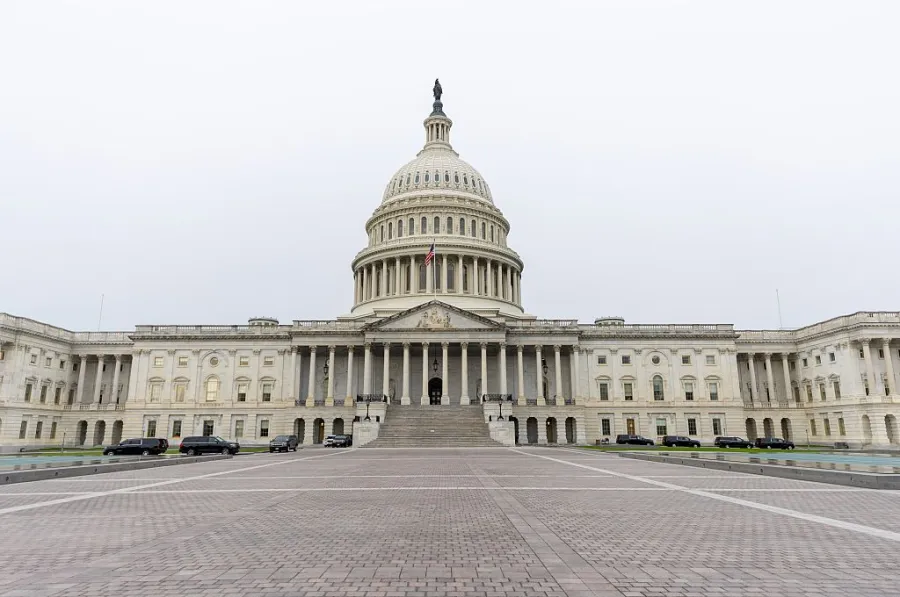
(NewsNation) — The Senate passed a funding package ahead of Friday night’s deadline and is now in the hands of the House, where a vote is expected to happen on Monday.
Late Friday, the Senate voted overwhelmingly to strip Department of Homeland Security funding from this government spending package that needed to pass ahead of the Friday deadline. That plan keeps DHS funding at current levels for two weeks to allow more time for negotiations.
Democrats are pushing for changes to Immigration and Customs Enforcement, which falls under DHS, in the wake of the latest Minnesota shooting, including calling for an end to roving patrols in cities and requiring ICE officers to take masks off and turn body cameras on.
“We expect to negotiate with them. And it’s on them. We’re ready. We have a strong group of proposals. They’re common sense. They’re what the American people want us to do. It’s on them,” Senate Minority Leader Chuck Schumer, D-N.Y., said.
Meanwhile, some Republicans believe ICE is being unfairly targeted.
“Every single American recognizes both sides needed to make some sort of accommodations to each other. I think it is wrong to have these ICE officers dogged and people come in and doing the things they’re doing,” Rep. Pete Sessions, R-Texas, told NewsNation’s The Hill.
The Conservative House Freedom Caucus has said, “We are not going to let Chuck Schumer defund Homeland Security to protect criminal illegal aliens. One way or another, we will make sure that ICE, Border Patrol, FEMA, TSA, Coast Guard, Secret Service, etc., get the funding they need.”
The Office of Management and Budget told NewsNation it expects the impacts from this partial government shutdown to be minimal if the House reaches a vote.
“It is our hope that this lapse will be short,” said Russell Vought, director of the Office of Management and Budget, in a memo sent to the department.
Until the House passes the package passed in the Senate, the partial government shutdown impacts the Departments of Homeland Security, War, Labor, Health and Human Services, Education, and Transportation. That could lead to delays in cancer research and clinical trials for medicine, and air traffic controllers and military members would work without pay.
Unlike the recent historically long 43-day government shutdown, this one will not impact food stamps or national parks.