On Thursday, the European Securities and Markets Authority, in its biannual risk report, finally let the cat out of the bag. The report concluded what was on the tip of many tongues. The Authority wrote that “A growing number of incidents illustrates that prediction markets are rife with insider trading.”
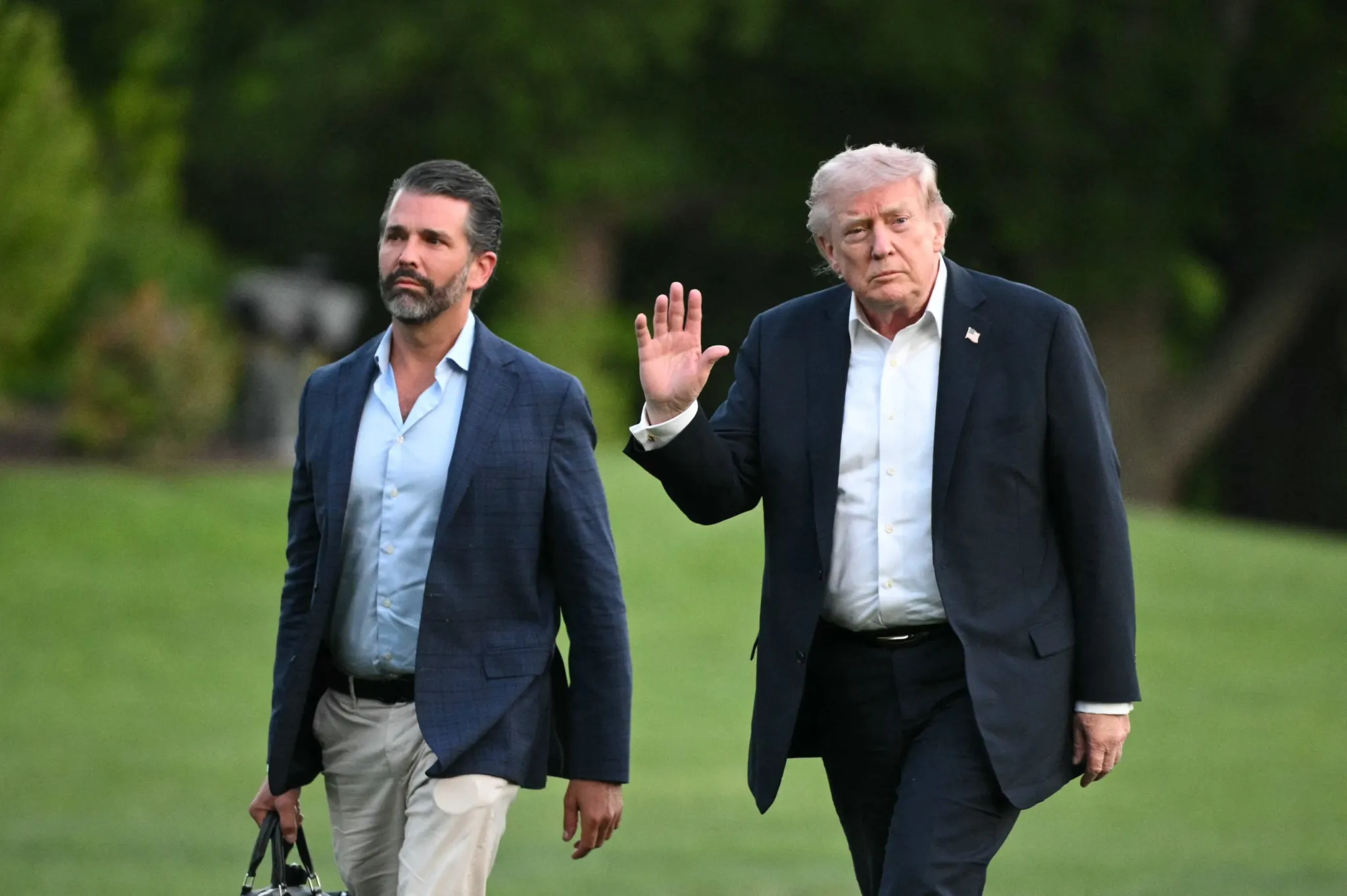
The idea that insiders, with advanced knowledge of events, hold the whip handle in prediction markets, runs counter to claims made by their promoters, who include President Trump and Donald Trump Jr. And the Trumps are not alone. The pantheon of prediction market promoters also includes Michael S. Selig, the Chairman of the Commodity Futures Trading Commission (CFTC), the U.S. agency tasked with regulating prediction markets. Talk about a fox in the hen house. Never mind.
The champions of prediction markets portray them as pipelines to the truth. Enthusiasts insist that the prices of the traded assets reveal the true probabilities of the different events in question. That works well for things like the weather, where no one trading in the market can influence, for example, the chance that a hurricane will make landfall in Hawaii before 2027. But we should doubt the truth-tracking prowess of prediction markets when Big Players can both bet in the prediction market and influence the events in question.
On the prediction market Polymarket, for example, you can buy an asset that pays one dollar if the Fed’s interest-rate policy will remain unchanged in September. If members of the Fed’s FOMC, which sets interest-rate policy, go on Polymarket to trade in that asset, we cannot pretend its price is somehow revealing an objective truth about the world.
What’s that, you say? No Fed officials would stoop so low? Well, in 2021, as reported in Fortune, two Fed officials were found to have engaged in “extensive stock trading in 2020, when the Fed was spending trillions of dollars stabilizing financial markets and boosting the economy.” They were influencing the policies that determined the value of their investments. One of the two “had invested in funds that owned mortgage-backed bonds, the same kind that the Fed” had been scooping up. The episode suggests that, as David Hume advised in 1742, we had better assume that some policymakers are not above profiting from the policies they craft, and that they will even craft policies to make a profit.
Donald Trump Jr. gives us further cause for pause. After Donald J. Trump won the 2024 election, Junior’s investment firm, 1789 Capital, bought shares in Polymarket. As The New York Times reported, “the government had banned [Polymarket] from taking monetary wagers from U.S. residents, but last year a federal regulator granted it an operating license in the United States.” Worth under a billion when 1789 first invested, Polymarket is now worth $21billion. This is naked Big Playerism. The son of the President invests in a business; the rules somehow change during his dad’s administration; and presto, its value climbs to wild new heights.
When Big Players are involved, as they are in prediction markets, red lights should flash. Big Players damage the truth-tracking power of the system they influence, including prediction markets. Small players rationally invest less in tracking objective truth and more in tracking the Big Player. Fed officials, as well as US Presidents and their close associates, are Big Players. They have the power to extinguish the truth-tracking prowess of prediction markets like Polymarket and Kalshi. This makes the future murkier and rational planning more difficult.
Welcome to the age of Big Players. They run the show. We pay the price.
Steve Hanke is a Senior Contributing Columnist at Fortune and Professor of Applied Economics at Johns Hopkins University. He served on President Reagan’s Council of Economic Advisers. Roger Koppl is Professor of Finance at Syracuse University’s Whitman School of Management. He is the author of Big Players and the Economic Theory of Expectations (2002).
The opinions expressed in Fortune.com commentary pieces are solely the views of their authors and do not necessarily reflect the opinions and beliefs of Fortune.