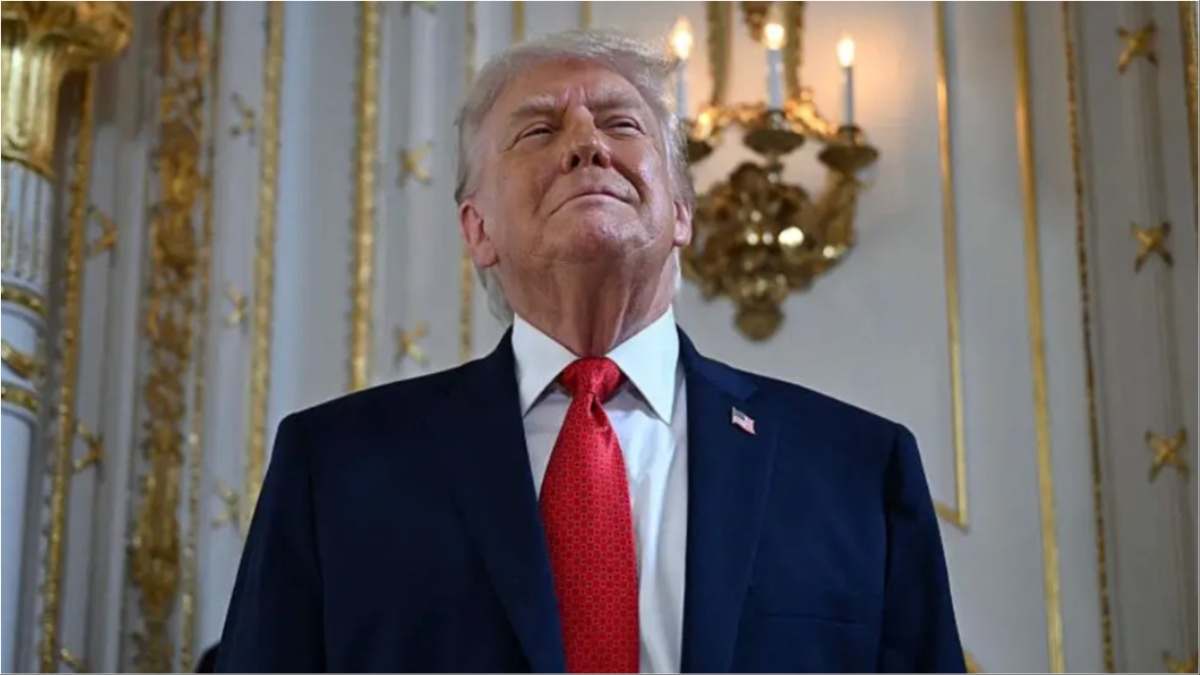
The video looked like something ripped from a comic-book fan’s fever dream.
President Donald Trump glowed with supernatural powers while battling illegal immigration and promising to revive American manufacturing. The bizarre spectacle appeared more like an over-the-top parody than presidential messaging.
But the clip did not come from a random meme account or some obscure corner of the internet. It came from an official government source.
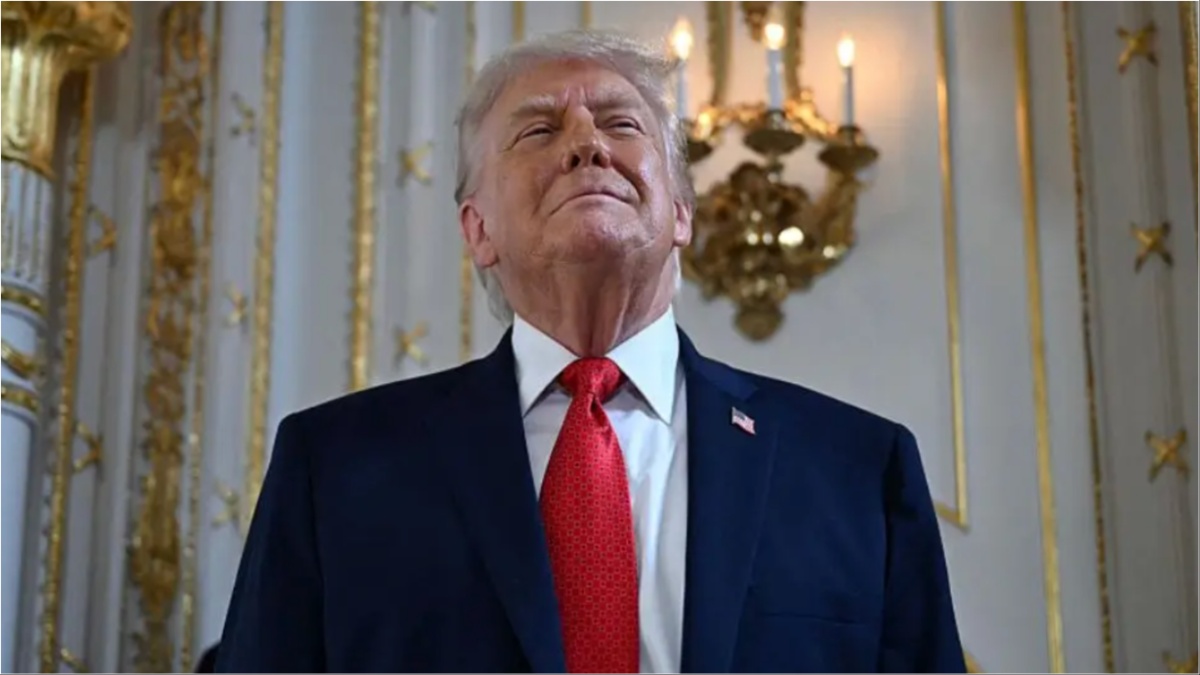
The White House had transformed Trump into Green Lantern and posted the video on its official social media account. It even featured the superhero’s famous invocation: “In brightest day, in blackest night, no evil shall escape my sight. Let those who worship evil’s might beware my power… Green Lantern’s light!”
The post quickly became another stunning example of how far the Trump White House has pushed presidential communication into internet memes, pop culture and political spectacle.
For critics, the Green Lantern video was so over-the-top that its origin from an official government account was almost harder to believe than the imagery itself. The reaction was immediate, with viewers expressing disbelief, embarrassment, and concern over the increasingly unconventional way the administration presents the president and his policies to the public.
One viewer summed up the shock: “Oh f—king hell. This is the actual White House posting this.”
Another questioned whether the behavior coming from the administration had gone too far, writing: “Can we require routine drug tests for all members and staff at the White House? Seriously…”
A third observer saw the video as part of something much larger, saying: “This really is the cringiest collapse of a nation in real time.”
Green Lantern is a DC Comics character, and his powers come from a ring fueled by willpower. The ring can create virtually anything its wearer can imagine, from weapons and shields to vehicles and other objects, while also giving the Lantern the ability to fly and withstand extraordinary forces.
The character dates back to 1940, and he is back in the mainstream at a particularly convenient moment for the White House: DC’s new “Lanterns” series, starring Kyle Chandler as Hal Jordan and Aaron Pierre as John Stewart, premiered on HBO Max in August.
The franchise also has a live-action movie history, including the 2011 “Green Lantern” film starring Ryan Reynolds.
Meanwhile, the Green Lantern post appeared Sunday during an extraordinary burst of social media activity from Trump. At 80, the president appeared to spend much of Sunday flooding Truth Social with AI-generated videos, memes, attacks on political opponents and fantasies about a possible “Trump 2028” campaign.
The activity came even as he spent the morning at Trump National Golf Club in Sterling, Virginia, where the White House Press Pool reported that he arrived at 9:31 a.m.
In roughly six hours, Trump posted 43 times. One of the more striking images showed a Space Force figure in a uniform that some critics compared with Nazi imagery and the imperial troops from Star Wars.
The White House’s use of superheroes and other pop-culture imagery is hardly new.
In August, the administration used Spider-Man imagery to promote its immigration policies, portraying Immigration and Customs Enforcement agents as “friendly neighborhood” figures.
An Instagram post showed Spider-Man’s hand spinning out a web before transitioning to an image of web-covered detainees alongside the message, “Criminal aliens will be caught and deported,” according to Deadline.
The White House has also previously portrayed Trump as Superman and as a Jedi knight, while another image depicted him as the pope. During the weekend of the “No Kings” protests, Trump and the White House released a video showing the president wearing a crown and piloting a fighter jet while dispensing feces onto protesters below.
This approach has drawn sharp criticism from political communication scholars, who argue that the administration’s social media strategy deliberately blurs the line between governing and entertainment, according to an analysis by The Conversation. Rather than adhering to the restrained, institutional language traditionally expected of presidential communications, the posts are overtly partisan, theatrical, and built for maximum digital engagement.
The strategy targets Trump’s political base, using language and imagery tailored to its cultural references and worldview. Consequently, the resulting political message relies heavily on spectacle, emotion, and conflict rather than traditional policy-focused messaging.
This dynamic often causes the administration’s critics to recoil while deepening the bond with supporters who view his outright rejection of political conventions as central to his appeal.
Scholars argue that the consequences extend far beyond whether an individual meme is viewed as humorous, embarrassing, or effective. When political communication repeatedly portrays the president as a larger-than-life figure battling enemies, it can weaken trust in institutions.