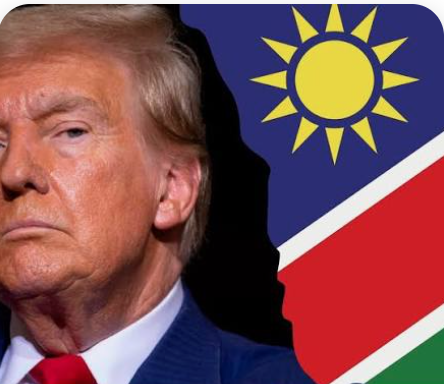
The United States will begin phasing out its financial support for Namibia’s HIV response programs, marking the latest southern African nation to navigate a withdrawal of foreign aid by the U.S. administration.
The transition signals a shifting landscape for public health funding in the region. Over the past two decades, American assistance has played a pivotal role in curbing the HIV epidemic across southern Africa. However, as local governments achieve greater internal capacity and U.S. strategic priorities pivot toward technical sustainability, international aid structures are undergoing significant contraction.
The Trump administration has been entering into country-by-country agreements that Washington says will reduce donor dependency, increase domestic financing and safeguard American interests. The U.S. has signed agreements with roughly 30 countries since late last year, many of them in Africa.
But Ghana rejected a proposed agreement over access to sensitive health data, Zimbabwe withdrew from a $367 million package over similar concerns, and a court challenge has put Kenya’s $2.5 billion agreement on hold. Zambia has also objected to data-sharing demands.
Public health officials and regional policymakers are now preparing to manage the fiscal handover. For Namibia, a country that has made remarkable strides in suppressing viral loads and controlling transmission rates, the reduction in direct American funding will test the resilience of its domestic healthcare infrastructure.
The move underscores a growing trend of international donors expecting middle-income sub-Saharan nations to fully absorb the long-term operational costs of their disease control programs.
The phase-out is expected to take place incrementally to prevent a sudden disruption in patient care, though advocacy groups warn that any transition must be managed carefully to preserve the clinical gains achieved over the last twenty years.