
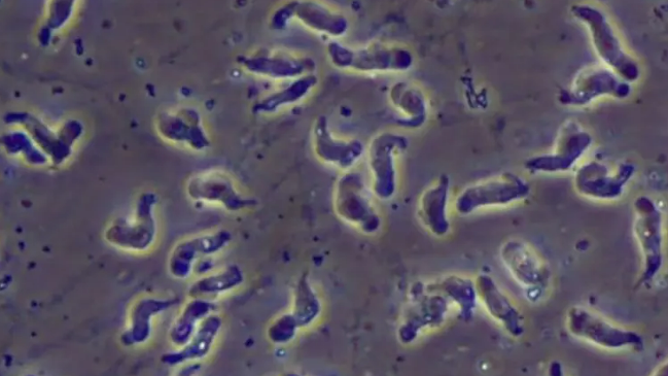
Eight years after their son died from a brain-eating amoeba, the Smelskis are relieved to help announce a new test in their home state. FOX 35 Orlando explains.
THE TAKEAWAY
- A North Carolina teen is critically ill with a rare amoeba infection.
- Naegleria fowleri is found naturally in warm freshwater.
- State officials urge precautions during late-summer swimming.
A central North Carolina teenager has been critically injured by a rare brain-eating amoeba, according to state health officials.
The North Carolina Department of Health and Human Services (NCDHHS) reported a rare illness caused by Naegleria fowleri, an amoeba commonly found in warm freshwater.
Naegleria fowleri, the brain-eating amoeba that causes primary amebic meningoencephalitis can be caught in warm water locations.
(CDC)
The teen patient is critically ill and receiving medical care.
“Our hearts go out to this teen’s family, friends and loved ones as they navigate this difficult time,” said State Epidemiologist Zack Moore, M.D.
“While these infections are very rare, this is an important reminder that this amoeba is present in our state and across the U.S. There are steps people can take to reduce their risk of infection while swimming during the warmer months.”
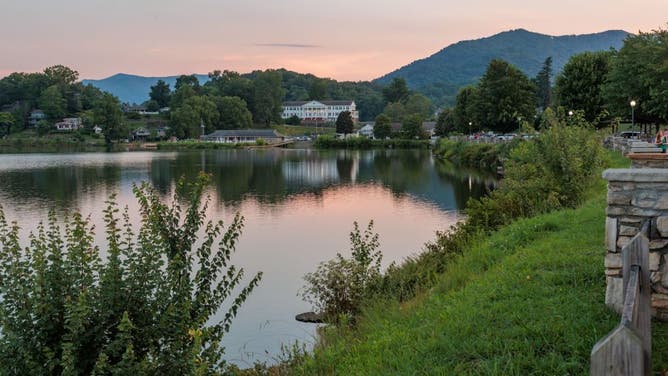
Central North Carolina teen in critical condition with rare amoeba infection.
(Ron Buskirk/UCG/Universal Images Group via Getty Images)
The source of the amoeba is still under investigation, officials said.
The central North Carolina case comes just days after an 8-year-old girl died after contracting the brain-eating amoeba, likely after swimming in Lake Claiborne in north Louisiana, the Louisiana Department of Health said.
8-YEAR-OLD GIRL DIES FROM SUSPECTED BRAIN-EATING AMOEBA IN LOUISIANA
Naegleria fowleri typically enters a human through the nose after swimming or diving in a lake, river or other body of freshwater during the summer months, and there have been reports of traces in tap water, poorly maintained swimming pools and chlorine wave parks.
Earlier this year, a study revealed traces of the deadly amoeba that were found in freshwater at popular National Parks in Wyoming, Nevada and Arizona.
BRAIN-EATING AMOEBA DETECTED IN WATER AT ICONIC US NATIONAL PARKS, STUDY FINDS
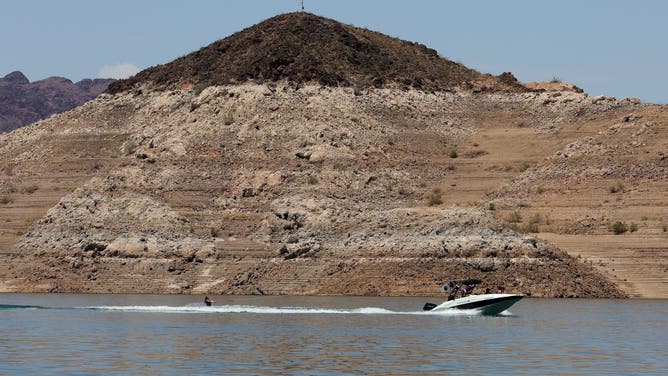
A boat tows a water-skier across Boulder Basin, set against mineral-stained rocks in 2022, in the Lake Mead National Recreation Area, Nevada. Swimming and diving are the most commonly linked activities to Naegleria fowleri infections, but other water-based recreation—including water skiing, splashing, and water festivals—has also been associated with confirmed fatalities.
(Ethan Miller/Getty Images)
According to the Center for Disease Control (CDC), Naegleria fowleri thrives in warm freshwater lakes, rivers and hot springs and can infect the brain and destroy brain tissue.
The amoeba typically enters a human through the nose after swimming or diving in a lake, river or other body of freshwater during the summer months, and there have been reports of traces in tap water, poorly maintained swimming pools and chlorine wave parks.
REPORTS OF LIONS ON THE LOOSE SEND INDIANA OFFICIALS ON ROARING SEARCH
While there is no way to eliminate Naegleria fowleri from the environment, the NCDHHS recommends these precautions:
- Keep water out of your nose by holding it shut, using nose clips or keeping your head above water during warm freshwater activities.
- Avoid putting your head underwater in hot springs or other thermal waters.
- Avoid jumping or diving into warm freshwater when water temperatures are high and levels are low.
- Avoid digging in or stirring up sediment in shallow, warm freshwater areas.


