
TULSA, Okla. — With the average cost of a new car approaching $50,000, more buyers are turning to the used car market.
New research suggests the conventional wisdom of buying a 4-year-old vehicle may actually cost you more than expected.
Bumper, a vehicle history and data company, surveyed users and analyzed depreciation and repair cost data to identify trends in used car costs. The findings point to a clear sweet spot: vehicles that are 6 to 7 years old.
kjrh
“The survey found that the most reliable aspect, if you’re going to buy a used car, is in the 6-7 year range. It’s like the perfect mix; it’s the sweet spot, they call it,” Jeffrey Ross of Bumper said.
Ross notes new cars lose the most value in their first few years, with depreciation typically leveling off around years 4 and 5. He adds that is also when repair costs begin to climb.
“The 6-7 year range is when the depreciation is going down at the same time that the repair costs are leveling out. That’s why they call it the sweet spot of the price of a used car,” Ross said.
story blocks
Bumper’s data shows repair and maintenance costs jump 31.2% at year 5, meaning buyers who purchase at year 4 could face a significant cost increase within the next year. Years 6 and 7 offer a relatively stable stretch for repair costs after that spike — before costs jump another 59.4% at year 8.
Ross said a well-maintained 6-year-old car avoids the steepest depreciation and gives buyers time to enjoy a used vehicle before more costly repairs begin around year 8 and beyond.

kjrh
Tulsa used car buyer David Ledezma said he has experience shopping across a wide range of vehicle ages.
“Everything ranging from, you know, 5 to 10 years older than the current year,” Ledezma said.
Ledezma said he pays close attention to how a vehicle looks inside and out when evaluating a potential purchase.
“Typically in my experience people who take care of their cars very well cosmetically tend to take care of it pretty well mechanically as well,” Ledezma said.
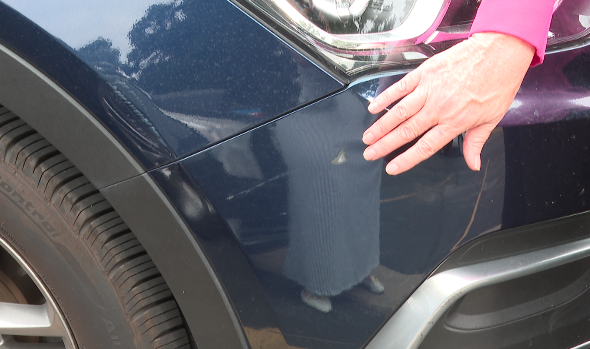
Ross said buyers shouldn’t be overly concerned about minor exterior wear on older vehicles. Dings, scrapes, and general wear and tear are expected on a 6-year-old car and won’t significantly affect the price. What matters more, he said, is what’s under the hood.
kjrh
He says while door dings don’t really matter, buyers should look for signs that a body panel has been replaced — such as mismatched paint color or scratched and discolored bolts under the hood where a fender attaches — as indicators of more severe past body damage.
Bumper’s survey found 59% of buyers focus more on maintenance history and mileage than age when deciding what to buy.
Ross offered a checklist of things anyone can inspect without hiring a professional if they are considering a used car purchase:
- Oil condition: It should be a golden or amber color, not black.
- Tires: Look for even wear. Well-maintained tires indicate the vehicle has been cared for properly.
- Cold start: View the vehicle before it has been warmed up and start it yourself. Watch for smoke from the exhaust.
- Dashboard warning lights: No check engine or airbag lights should be on while the engine is running.
- Overall condition: Check paint, glass, and door seals as additional indicators of how well the vehicle has been maintained.
Ross said a vehicle history report can also reveal whether oil changes and routine maintenance have been consistently performed.
“If you can see on the vehicle history report that a vehicle has had its oil changes done properly, chances are it’s been cared for,” Ross said.
Ross also noted that how a car has been maintained affects more than just its value.
“If a car’s been treated really well, it’s going to maintain its fuel economy moving forward. If the engine’s, you know, sludged up or something like that, or the tires are bad, that’s an indication that the car’s probably going to get worse fuel economy than you’re expecting. So, how a car is treated not only affects value, but it maintains the fuel economy over the life of the vehicle as well,” Ross said.
For buyers considering fuel efficiency, Ross pointed out that a 6-year-old car in 2026 was made in 2020 — still a relatively recent model year with many brands offering hybrid and plug-in hybrid options.
This story was reported on-air by a journalist and has been converted to this platform with the assistance of AI. Our editorial team verifies all reporting on all platforms for fairness and accuracy.
Stay in touch with us anytime, anywhere —