As the West continues to feel the heat, some animals are pushing into human residences for resources. Dr. Ole Alcumbrac, the Director of Wildlife Health Services, joins FOX Weather Meteorologist Bob Van Dillen to talk about how a warm spring has led to snakes having an early rise from dormancy.
Officials are warning about a deadly combination of fungal, parasitic and bacterial infections that could push some snake species toward extinction.
WILDLIFE OFFICIALS URGE RESIDENTS TO KILL INVASIVE ARGENTINE TEGUS SPREADING DISEASE
A new study from the University of Georgia found that certain pathogens can cause severe illness and death in several snake species, including pygmy rattlesnakes.
“A snake can carry a pathogen and still appear completely healthy. What matters is understanding what pushes infection into something deadly,” said Corinna Hazelrig, corresponding author of the study and a doctoral graduate of the UGA College of Veterinary Medicine and the Southeastern Cooperative Wildlife Disease Study.
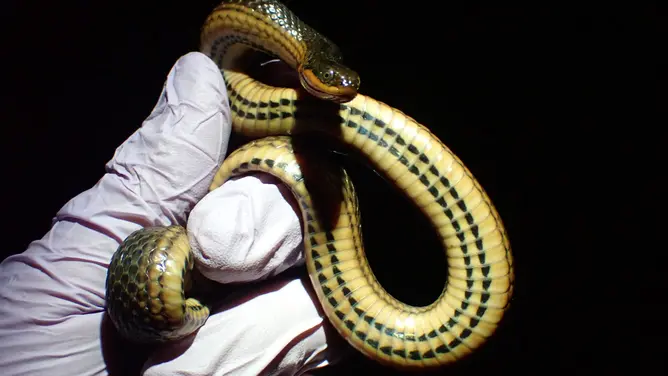
One of the 500 snakes that the researcher examined in the study.
(Taylor Miller / FOX Weather)
Over the course of four years, researchers examined more than 500 snakes from Georgia, Florida and South Carolina, testing 29 species for seven pathogens known to cause skin, gastrointestinal and respiratory diseases.
They found that more than 40% of the snakes tested positive for multiple pathogens, while salmonella was detected in more than half of the snakes studied.
AUSTRALIAN WOMAN UNCOVERS HIGHLY VENOMOUS SNAKE SLITHERING IN HER BED
The research also identified Mycoplasma spp. in free-ranging snakes for the first time. This is an antibiotic-resistant bacterium that can cause severe upper respiratory tract disease in a variety of reptiles.
While infection with Mycoplasma spp. can lead to diseases such as pneumonia, it often occurs as a secondary infection alongside other pathogens.
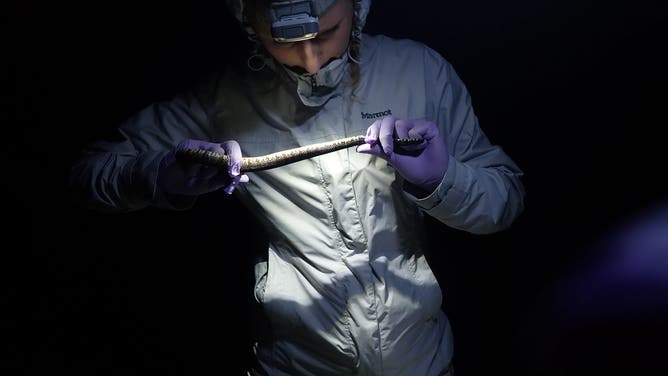
Over the course of four years, researchers examined more than 500 snakes from Georgia, Florida, and South Carolina, testing 29 species for seven pathogens known to cause skin, gastrointestinal, and respiratory diseases.
(Taylor Miller / FOX Weather)
Additionally, the study revealed that Ophidiomyces ophidiicola, the fungus responsible for the fatal snake fungal disease, disproportionately affected pygmy rattlesnakes, with more than one out of three testing positive.
COLORADO WILDLIFE OFFICIALS WARN OF RATTLESNAKE ENCOUNTERS AS THE REPTILES WAKE UP THIS SPRING
Pygmy rattlesnakes also tested positive for Raillietiella orientalis, commonly known as snake lungworm.
Researchers found that Ophidiomyces ophidiicola was more prevalent among snakes in Georgia, while snake lungworm infections were found only in Florida snakes. The difference is likely due to the difference in climate and habitat between the two states.
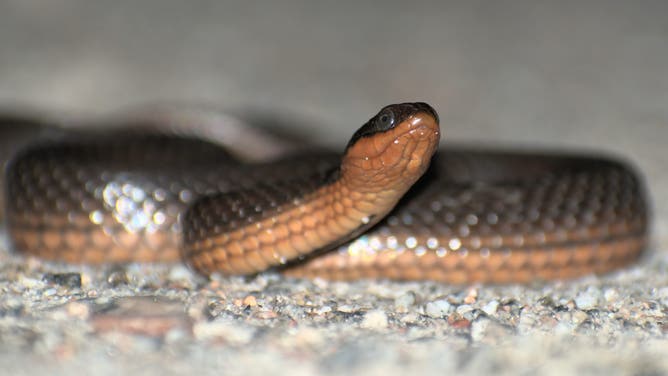
Certain native snake species, such as pygmy rattlesnakes, are more at risk for serious illness and death, coupled with severe skin lesions, weight loss and facial deformities.
(Nick Friedeman / FOX Weather)
“Most snakes carrying salmonella appeared completely healthy, but the snakes with Ophidiomyces ophidiicola and the lung parasite were more likely to be emaciated and show visible clinical abnormalities,” Hazelrig said. “Co-infections further contributed to increased prevalence of disease.”
Snakes that tested positive for Ophidiomyces ophidiicola became malnourished and developed skin lesions and facial deformities. Some snakes lost up to a quarter of their body mass in a month, which ultimately led to death.
WATCH: DOZENS OF RATTLESNAKES SLITHER, CURL IN COLORADO MEGA-DEN
“Any group or regional population of snakes is likely to be already under some level of stress, so they are primed for that fungus or bacteria to take advantage of them and become a full-blown infection,” Hazelrig said.
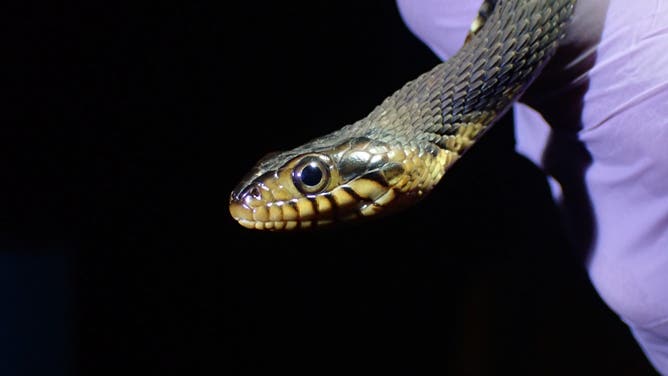
More than 40% of the reptiles in the study tested positive for multiple pathogens, with Salmonella found in over half of the snakes.
(Taylor Miller / FOX Weather)
Based on these findings, researchers are concerned that these diseases could threaten other species throughout the region.
Officials say that the more that these pathogens affect reptile populations, the more likely they may also put other animals in jeopardy.
Researchers add that a better understanding of how these pathogens impact snakes could help conservation efforts for the roughly one in five reptile species currently facing extinction worldwide.
THESE 5 STATES HAVE SOME OF THE MOST SNAKE-FILLED WATERS IN THE NATION
“Snakes are a critical wildlife group due to their ecological importance as predators and prey,” said senior author Dr. Nicole Nemeth, head of UGA’s Southern Cooperative Wildlife Disease Study’s research and diagnostic service and a professor in the College of Veterinary Medicine’s department of pathology.
“Understanding the prevalence and distribution of targeted pathogens is one piece of the puzzle toward understanding and better conserving snakes, as well as all the resources they and other wildlife need to survive,” Nemeth continued.